Q1: Do I need both FTIR and Raman?
Not always. Many pharmaceutical QC teams start with one technique based on their materials and SOPs. Because FTIR and Raman interact differently with samples and packaging, adding the second technique can reduce exceptions and strengthen coverage across receiving, QC, and investigations.
Q2: When should I use FTIR vs Raman for identity checks?
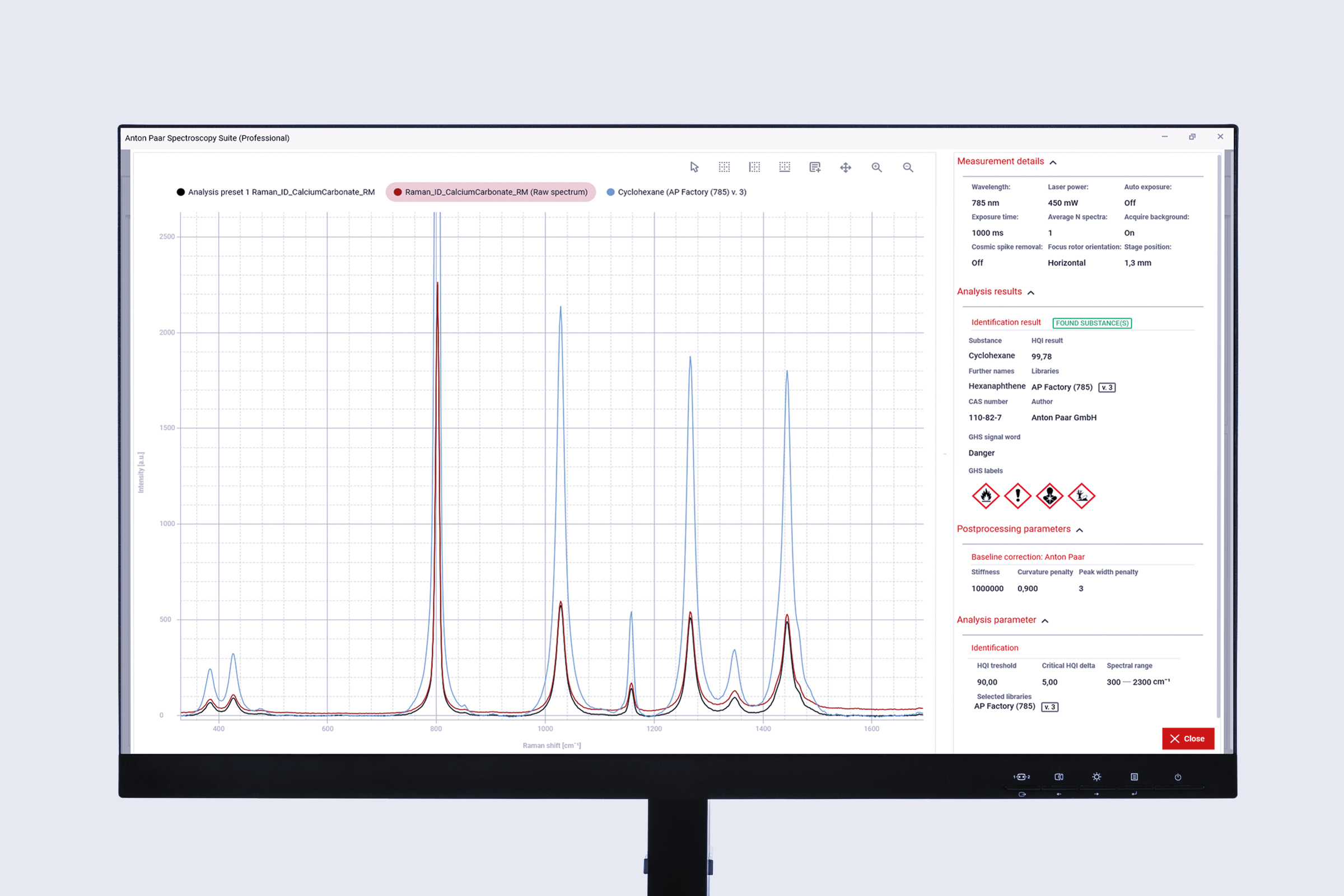
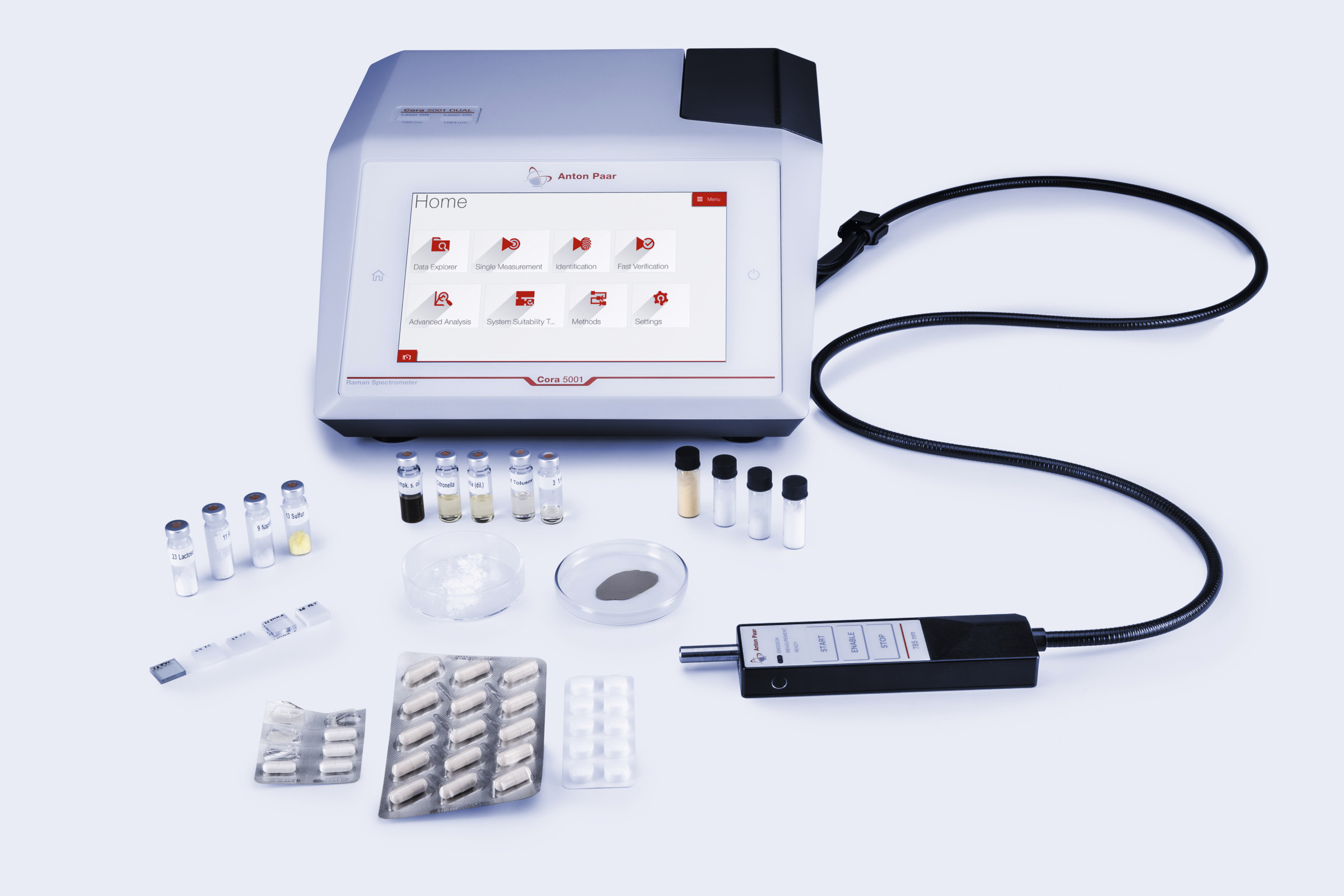
Both are established vibrational techniques for molecular identification. Selection typically depends on sample presentation, packaging, and handling constraints, and how the method is implemented in your GMP workflow. Many sites standardize both FTIR and Raman to keep identification consistent across different sampling realities.
Q3: How is identification typically performed?
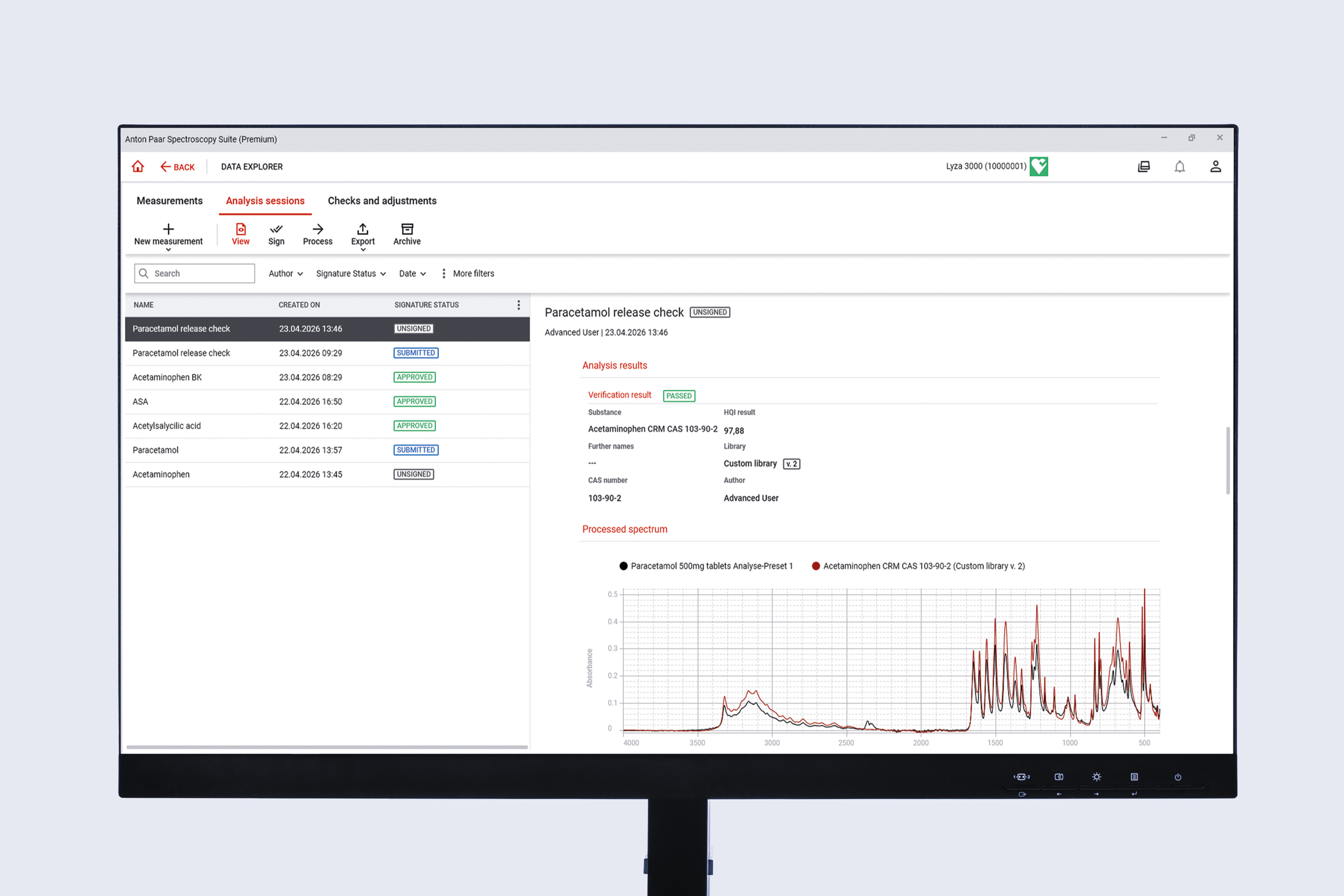
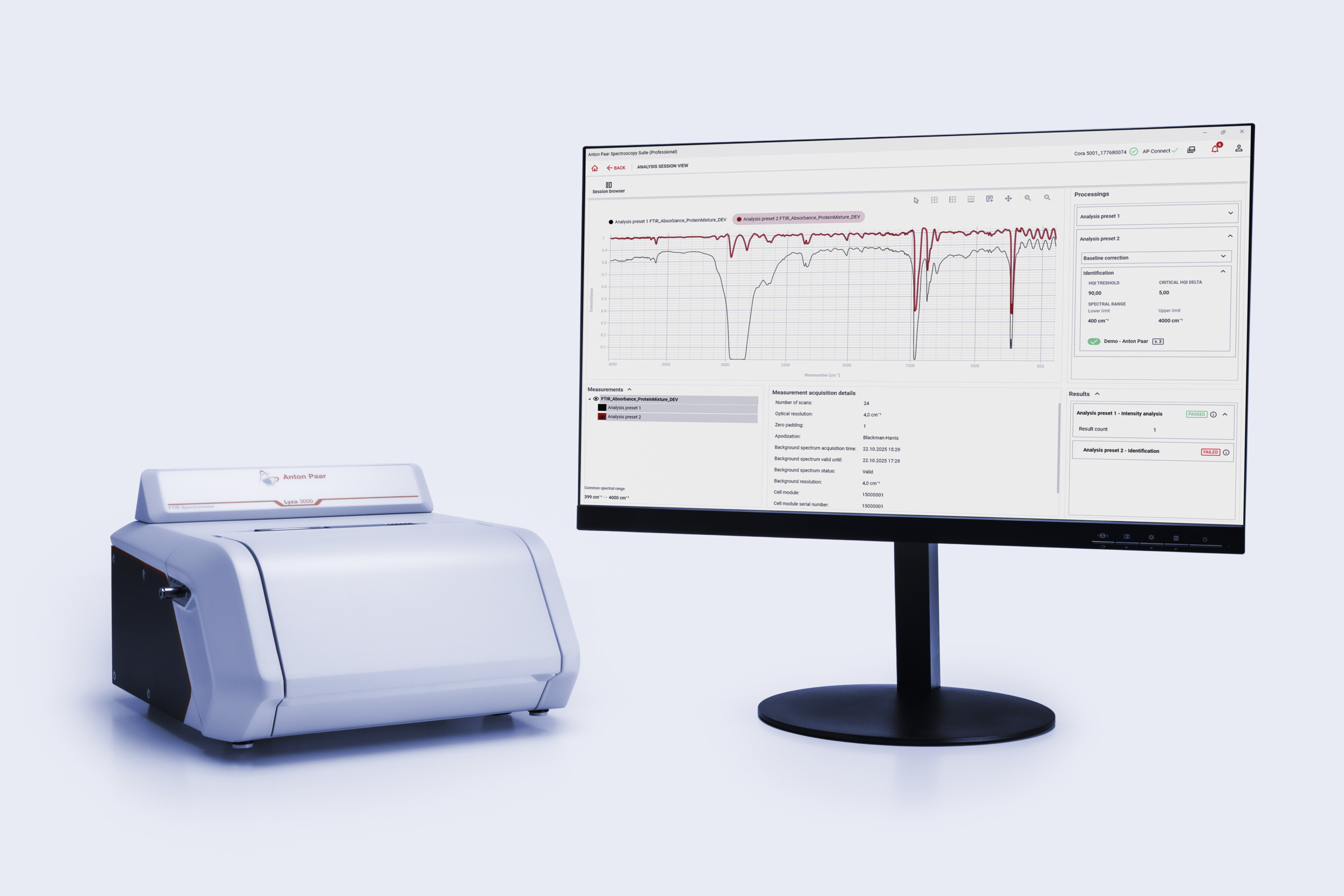
Identity testing is commonly implemented through comparison with approved reference spectra stored in a controlled library. Acceptance criteria (e.g., correlation thresholds) are defined in advance and saved within a method. In AP Spectroscopy Suite, these methods can be executed in a guided workflow, providing clear verification results with predefined pass/fail evaluation.
Q4: Can FTIR and Raman spectrometer systems be operated from one workstation?
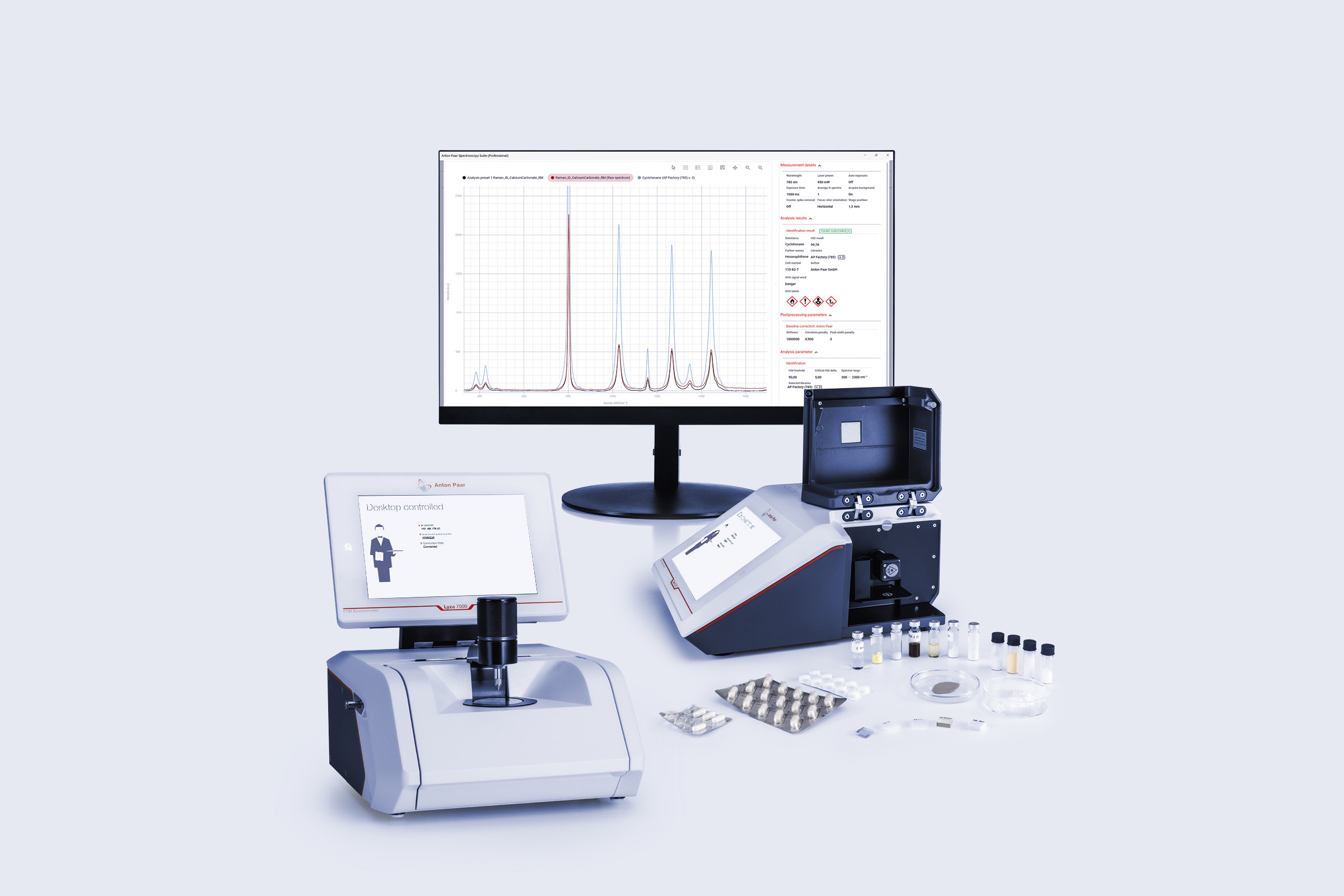
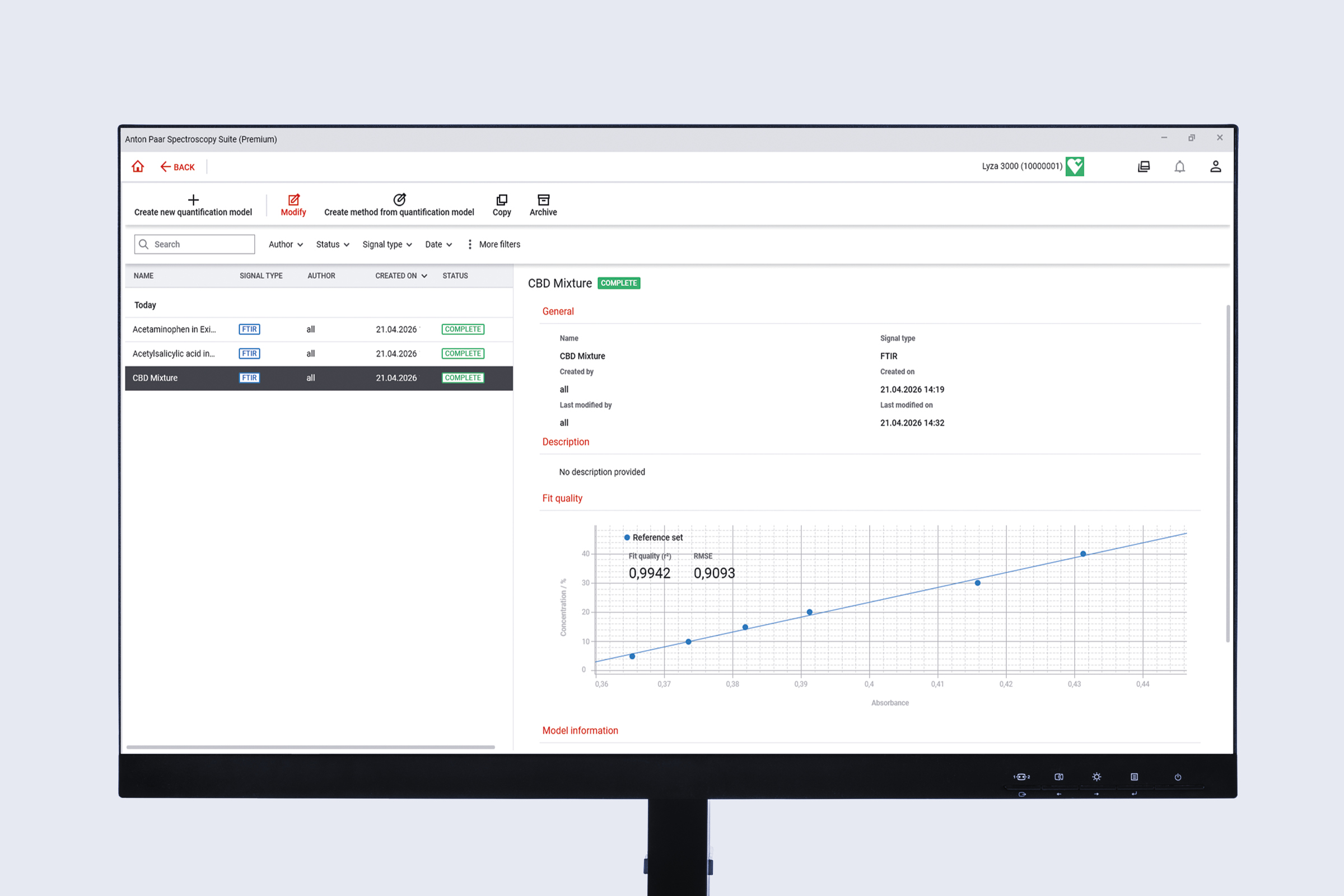
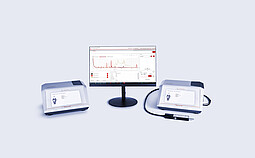
AP Spectroscopy Suite enables operation of Lyza FTIR and Cora Raman systems from a single PC environment. This supports standardized workflows, centralized method management, and consistent data handling across techniques.
Q5: What supports regulatory compliance?
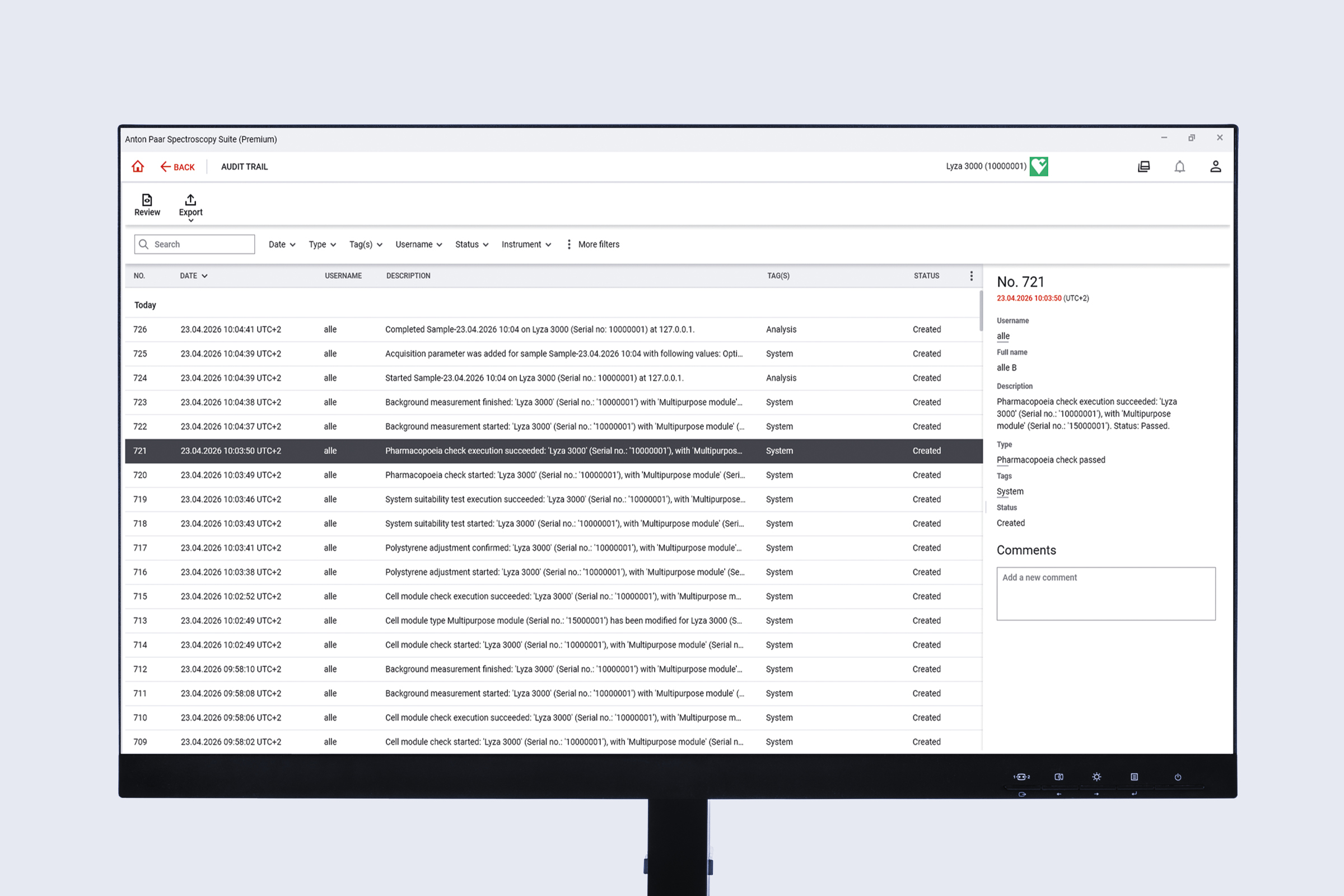
Controlled user roles, electronic signatures, audit trails, and qualification documentation support alignment with GMP expectations, such as 21 CFR Part 11 / EU Annex 11 (see product details).
Q6: What does “compliant workflow” mean in practice?
In practice, a compliant workflow ensures that only authorized users can modify methods, that all changes are traceable, and that results undergo structured review and approval. It also means that data is securely stored and remains accessible and verifiable throughout its lifecycle.
Q7: What support is available for regulated implementation?
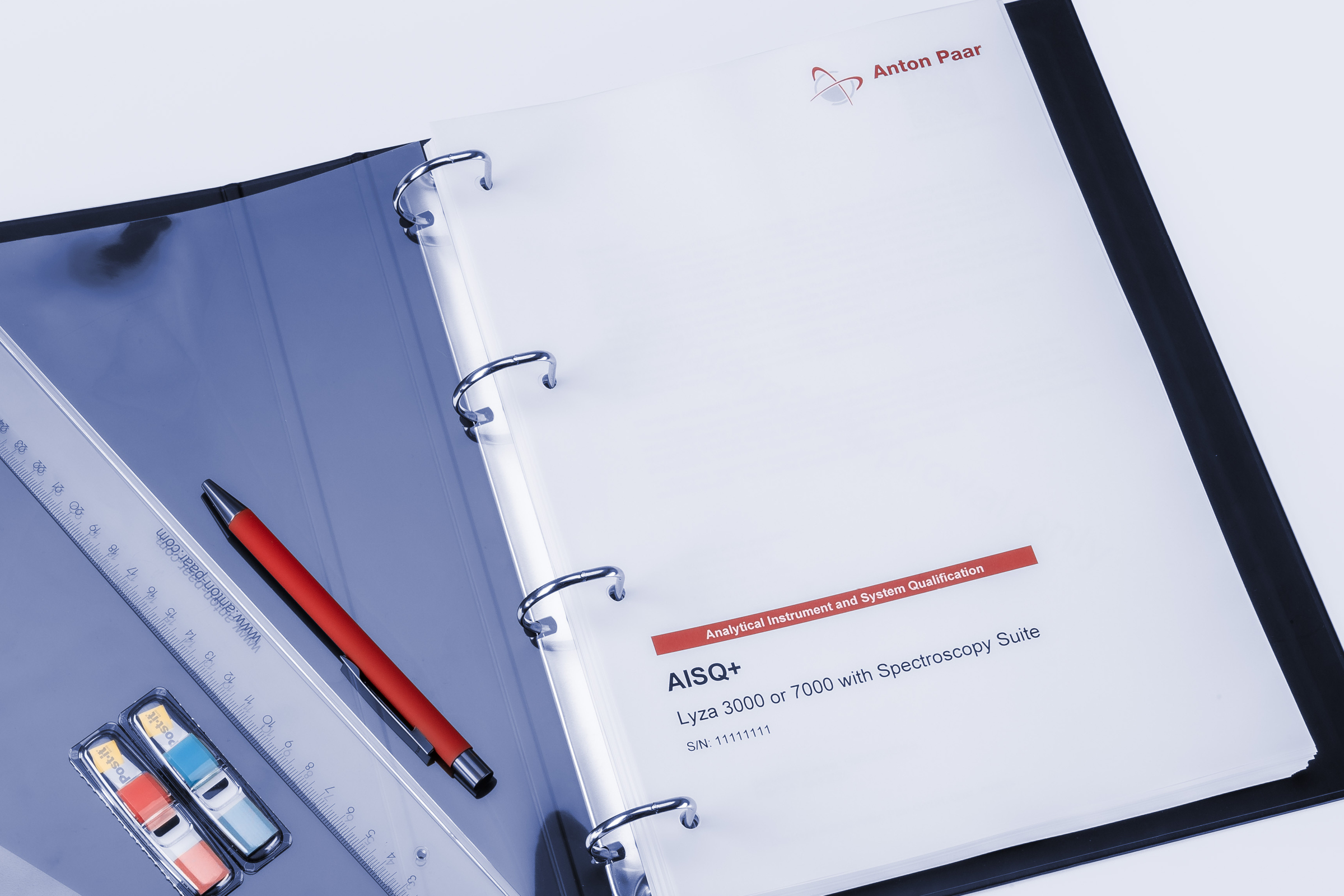
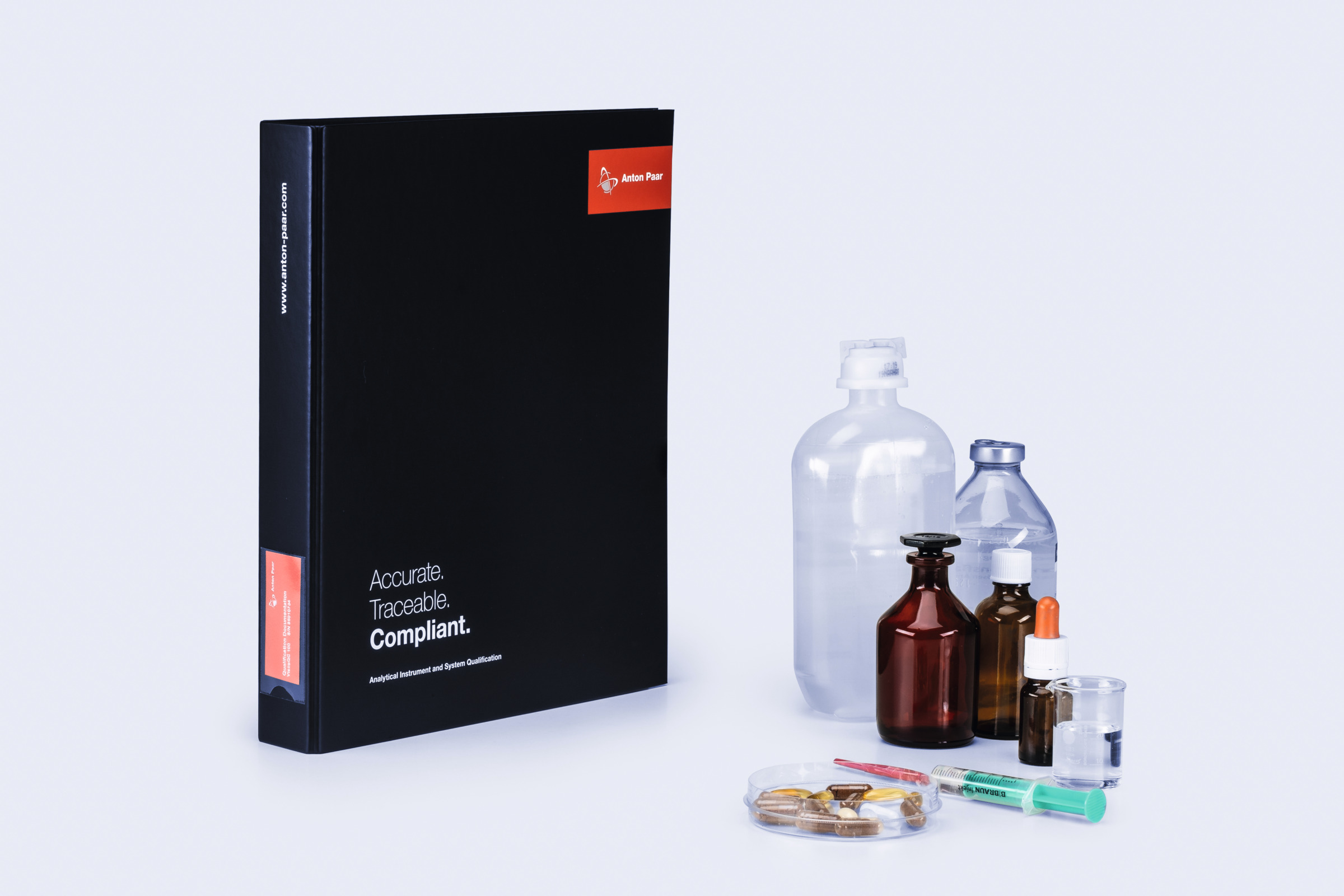
Anton Paar provides AISQ+ qualification documentation packages and structured support to align installation and operation with DQ, IQ, OQ, and PQ expectations. This helps laboratories reduce internal workload while preparing systems for regulated routine use.
Q8: How can results be transferred into LIMS/ELN?
AP Connect enables structured and automated data transfer between instruments and enterprise systems such as LIMS or ELN. Depending on configuration, integration options include file-based interfaces or REST API communication, eliminating manual transcription and improving data integrity.