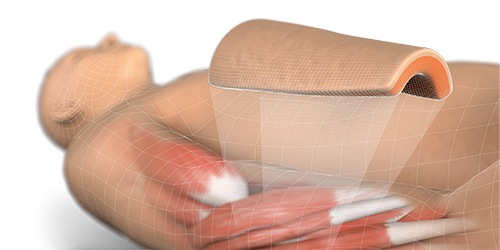
Tribology of urinary catheters and artificial skin
Medical devices face high demands in terms of performance and product safety as well as from FDA and MDR regulations. Here we present a methodology in which you can run tribological model system tests with urinary catheters and artificial skin. An MCR tribometer with sample holders that allow for fixation of medical device components as well as soft tissues is used for catheter testing. The temperature-, force-, and speed control of the MCR tribometer enable you to define test parameters to simulate real-world conditions.
Read more
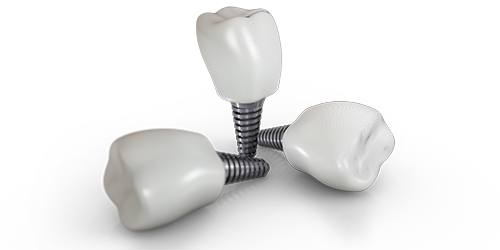
Developing better dental implants
When researching biocompatible coatings for implant materials, one crucial parameter is the interaction of the implant with
its biological environment.
You can use the SurPASS 3 surface zeta potential analyzer to study the interaction of proteins
in solution with the implant material. In-depth knowledge in this field will enable you
to develop dental implants that are resistant to bacterial biofilm formation
and thus help diminish the risk for infections or implant failure.
Download the SurPASS 3 biomaterials folder to see how zeta potential analysis combines the
determination of adsorption kinetics with the characteristics of the adsorbed surface
layer.
Read more
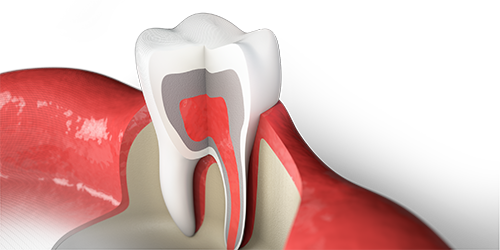
Mechanical characteristics of tooth enamel
Analyzing mechanical properties on and below the treated enamel surface is of great interest for teeth treatments, e.g. in
caries (cavities) prevention or for the minimally invasive treatment of early caries
lesions.
Nanoindentation is one of the most adapted methods for such samples and provides a
clear insight into the hardness gradient of tooth enamel (teeth hardness). The obtained
analysis data is an essential basis for selecting new materials for dental repair materials.
Download the application report to see how the
NHT³ benchtop nanoindentation tester has been used for an according study.
Read more
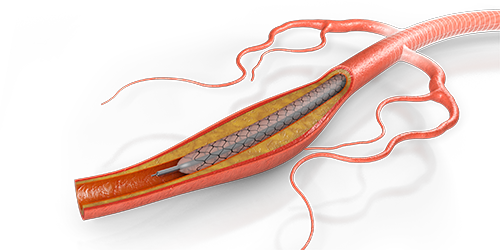
A clear testing method for the quality control of stent coatings
Stents are a medical mass application. They underlie strict regulation from state authorities
such as the FDA and need to pass severe quality control before they may be used on the
patient.
Scratch testing is one of the few methods that can
verify the adhesion of a coating and thereby ensure a sufficiently long lifetime
of the implant. To make sure stents behave as required – e.g. release certain chemical
products – and are not damaged in the body, adhesion and scratch resistance of the coating
are measured with an
NST³ nano scratch tester.
Download the application report to
see how stents can be mounted in the scratch tester and how the critical load of
the coating is determined.
Read more
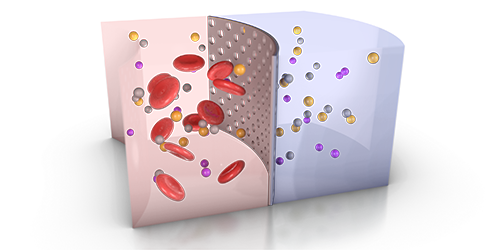
Biocompatibility of hemodialysis membranes
If you want to prove the existence of a certain surface modification that improves the biocompatibility
on the inner surface of a hemodialysis membrane, zeta potential measurements are the
right analysis method for you.
The zeta potential is sensitive even to small changes in the surface chemistry. Zeta potential
measurement thus assists with
improving the biocompatibility of hemodialysis membranes.
Dedicated sample holders for hollow fiber membranes make it possible to directly
characterize the inner surface of the membranes.
You can easily conduct zeta potential measurements with the SurPASS 3 electrokinetic analyzer.
Read more
More about zeta potential in general is explained in this Wiki article:
Zeta Potential
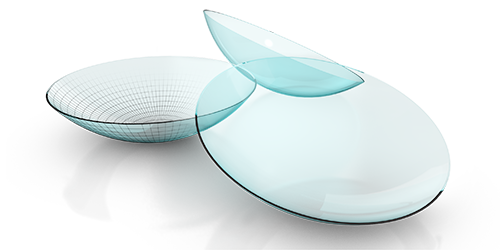
Improvement of contact lenses comfort
Soft contact lenses are used by many people, so their wearing comfort is essential for everyone who wears them on a daily basis.
Friction and elasticity are key factors for determining the wearing comfort. With excellent resolution and research-oriented special features such as controlled force vs. depth measurements, you gain a deep insight into the characteristics of contact lenses. You can then use the results to improve their friction properties to satisfy the demands of your customers even better.
Download the application report to see how the UNHT³ Bio bioindenter (with a special contact lens sample holder) is used for research.
Read more
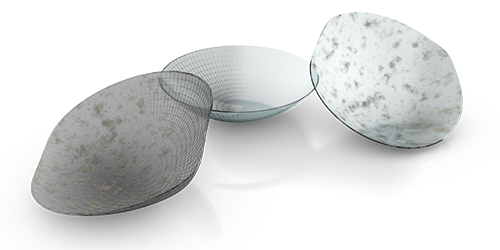
Aging behavior of contact lenses
Contact lenses often are intended for use over a certain period of time (e.g. 1 month, 1
year). They should be as good on the last day of use as they were on the first which
is why their aging behavior is of great interest.
Aging of materials is usually difficult to estimate, but knowing the elasticity of a material
provides a
valid scientific insight into the aging process. The
UNHT³ Bio bioindenter measures the elasticity of a contact lens; this data can
be used to verify the change of mechanical properties due to aging.
Download the application report to see how the bioindenter can be used to characterize the
mechanical behavior of contact lenses and biomaterials.
Read more
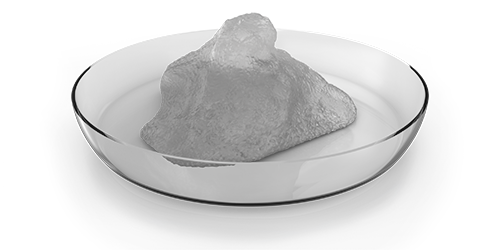
Hydrogel testing under real-life conditions
Testing of hydrogels is perceived as complicated due to the difficulty of mounting them in
or on a sample holder, and because even minor changes in the pressures exerted on them
can lead to a significant influence on their tribological properties.
Accurate testing results,
not influenced by external factors, are achieved with an
MCR tribometer with a special
sample holder for hydrogels. Beyond that, it allows the optimal adaption to real-life
conditions in terms of contact pressure, sliding velocities, and temperature, and has
a high sensitivity when measuring friction, especially over a broad range of sliding
velocities – from a few nm/s to an excess of 1 m/s.
Read more
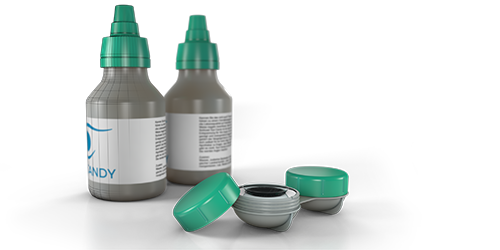
Simulating human conditions when testing contact lens fluids
Ophthalmic solutions need to have low friction and it is difficult to mimic human conditions
on a machine. However, the need to test these solutions arises from, both an economic
and a comfort aspect.
An
MCR tribometer measures the friction coefficient at different sliding velocities
and normal forces. Its extreme low-speed capability allows you to characterize both static
and kinetic friction. In most cases, the accurately determined boundary friction is critical
in testing the overall performance of the fluid.
Read more
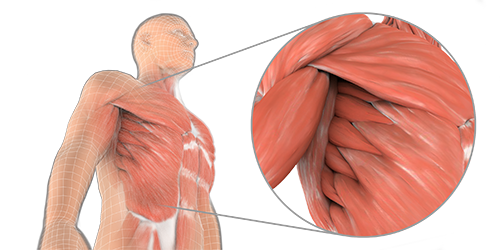
Investigating (human) tissue to research disease evolution and treatment
Properties of human and artificial tissues are a wide field as researchers around the world
work on understanding and healing diseases of all kinds.
Many human tissues are subject to mechanical loading and their mechanical characterization
can provide
valuable information for disease evolutions, treatments, and developments of artificial
replacements (implants, scaffolds). The initial lack of sensitive instrumentation
in this area has recently been addressed by Anton Paar with the
UNHT³ Bio bioindenter.
Download the application report to see how it is used to test, both, tissues and their potential
replacement materials.
Read more
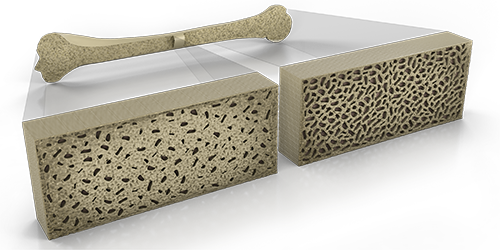
Test methods for the development of osteoporosis medication
Osteoporosis is decreasing bone hardness (increased bone weakness), in most cases due to
age.
Active substances in medications have a direct effect on the characteristics of the bone,
so bone hardness, elastic modulus of bone, and bone creep are key parameters in the development
of new medication. High-resolution analysis of those parameters is an
essential support of research results when filing patents or promoting new active substances
for testing processes or market launch.
All parameters can be measured with the UNHT³ Bio bioindenter: elastic modulus and creep
properties of bones.
Read more
Additional benefit for researchers: Anton Paar cooperates closely with several universities
to develop affordable artificial bone materials for research purposes. These cooperations
give you access to know-how and special developments, such as sample holders for complex
samples, and help us develop individual solutions for you if you need them.
Contact an Anton Paar representative to get more information.
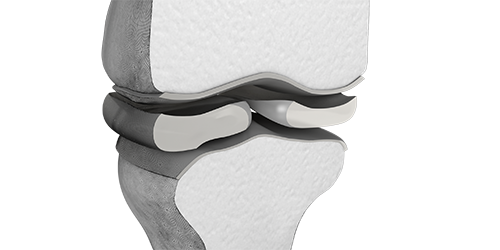
Finding medically and economically valuable cartilage substitutes
The quest for a substitute for cartilage material is still ongoing. However, issues such
as sample preparation and mounting make the investigation of
mechanical properties of cartilage challenging. Also, when dealing with biological
fluids, the sample volume available for testing is limited. All of this calls for an
appropriate test setup.
The low-speed, low-torque capabilities of the
MCR tribometer comprise a
time- and cost-efficient test setup which offers unique possibilities for friction
and wear tests of natural and artificial cartilage as well as substitutes of synovial
fluids.
Download the application report to see how MCR is used for the biotribological investigation
of cartilage.
Read more



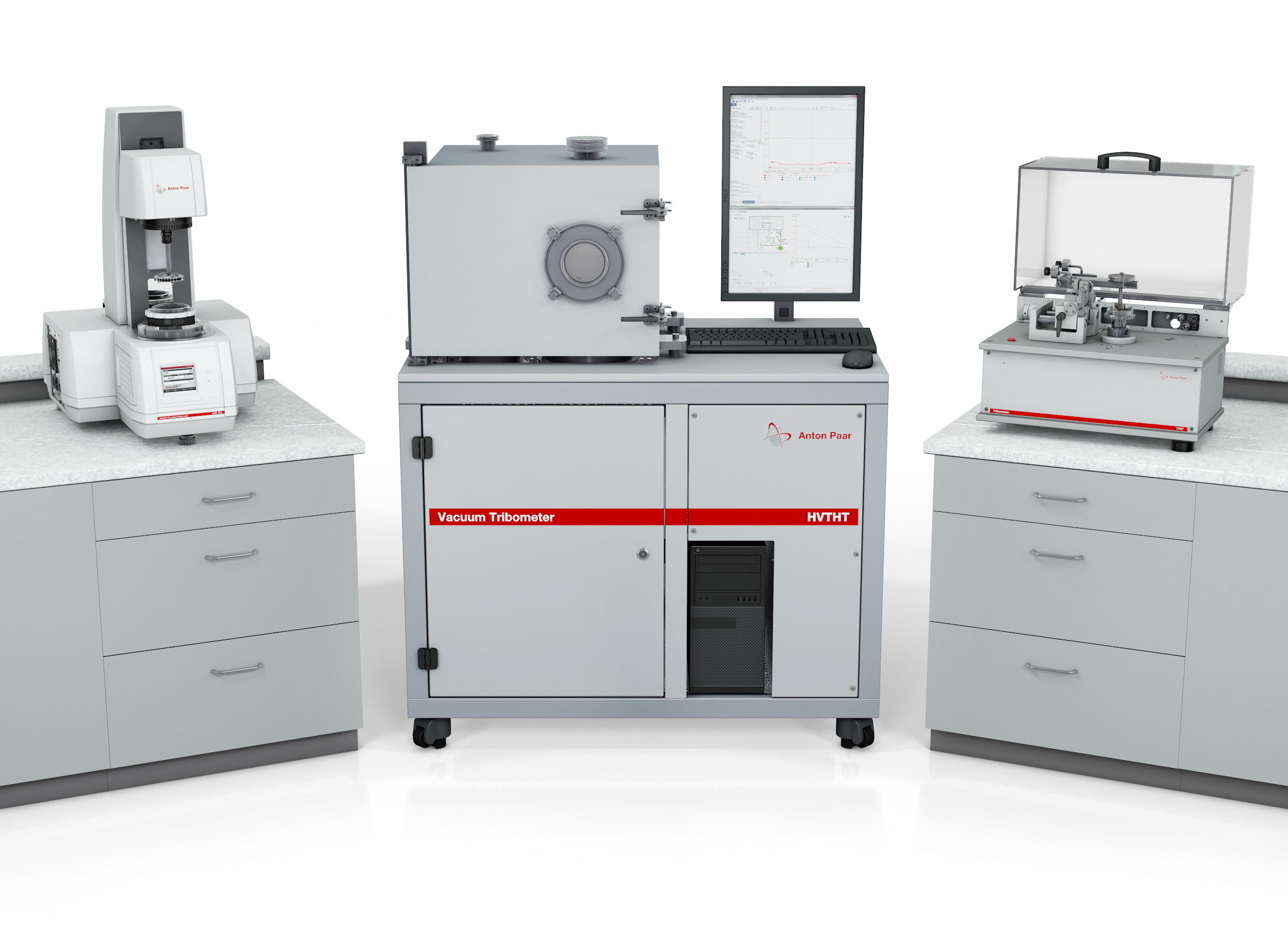 To obtain information on a material’s performance under the influences of various external conditions
such as temperature and humidity, knowledge of the tribological behavior is essential. Tribometers
determine the friction, wear, and lubrication properties of all kinds of materials.
To obtain information on a material’s performance under the influences of various external conditions
such as temperature and humidity, knowledge of the tribological behavior is essential. Tribometers
determine the friction, wear, and lubrication properties of all kinds of materials.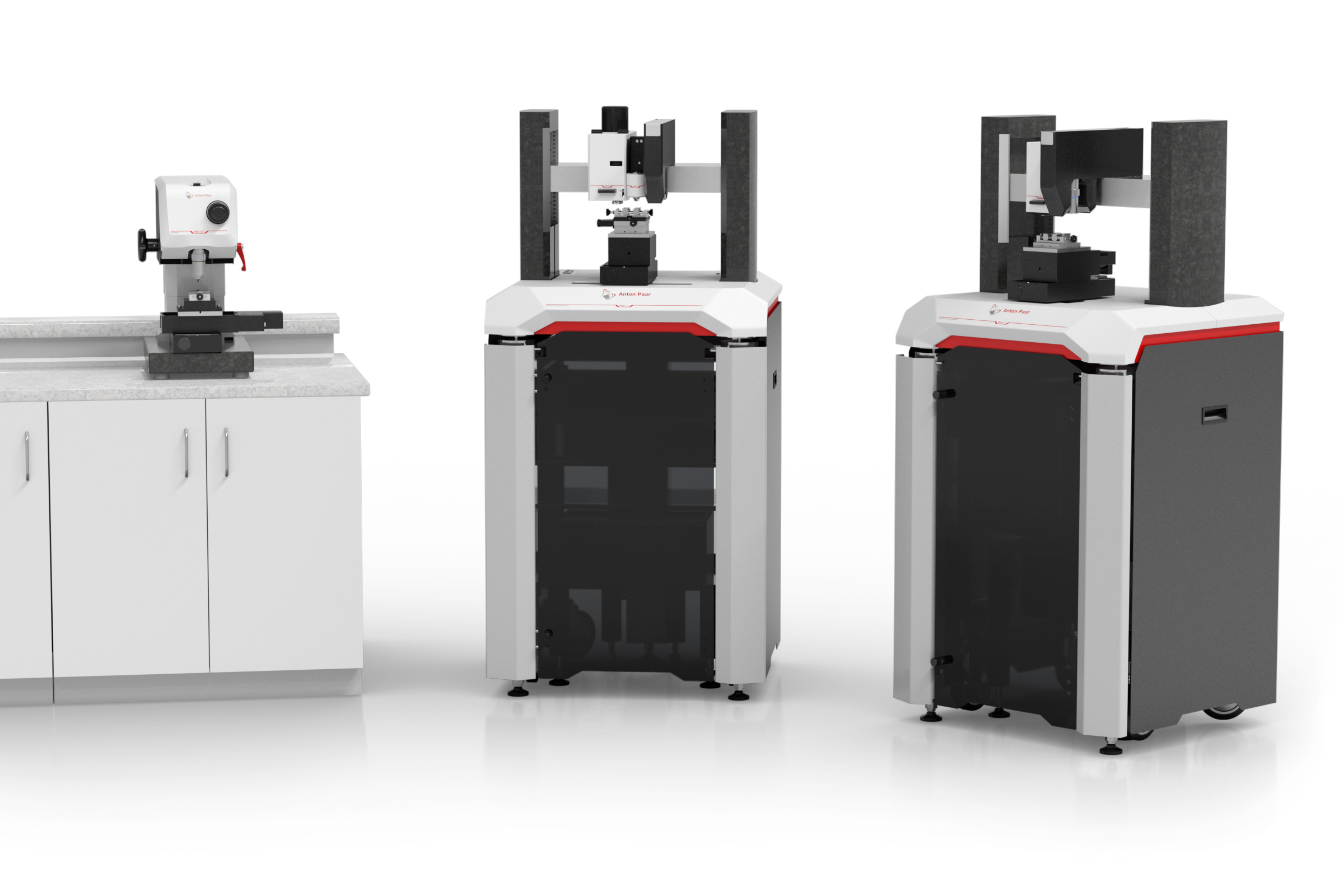 Scratch testers are used to characterize film-substrate systems in terms of coating adhesion,
scratch resistance, and mar resistance. Anton Paar scratch testers stand out for their patented
technologies such as a synchronized panorama view of the actual scratch and the scratch curve.
Scratch testers are used to characterize film-substrate systems in terms of coating adhesion,
scratch resistance, and mar resistance. Anton Paar scratch testers stand out for their patented
technologies such as a synchronized panorama view of the actual scratch and the scratch curve.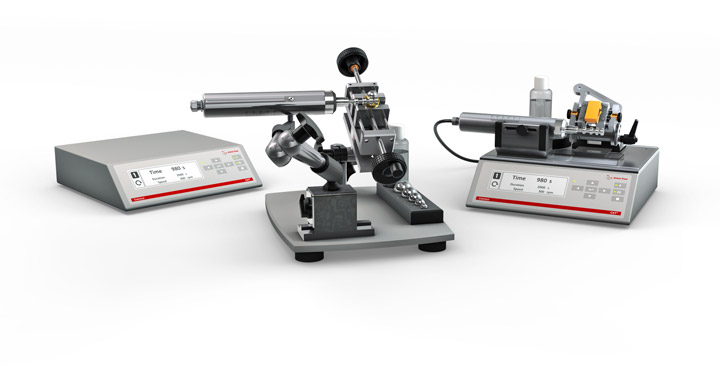 Since the coating thickness has an impact on the final product, accurate yet inexpensive measurements
are of great importance to guarantee reliable coating quality.
Since the coating thickness has an impact on the final product, accurate yet inexpensive measurements
are of great importance to guarantee reliable coating quality.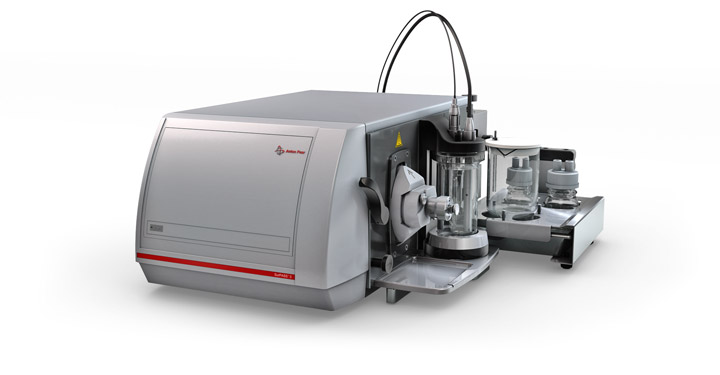 Many materials are subject to modifications due to storage, aging, or wear during operation.
To predict these changes and to develop optimized, new, and high-performance materials, the materials
are tested under real-life conditions. Properties such as surface charge, adsorption/desorption,
or electrostatic attraction/repulsion enable us to understand membrane fouling, the cleaning
effects of detergents, adhesion of biological substances, and much more. These insights are gained
by simply measuring the zeta potential of a surface.
Many materials are subject to modifications due to storage, aging, or wear during operation.
To predict these changes and to develop optimized, new, and high-performance materials, the materials
are tested under real-life conditions. Properties such as surface charge, adsorption/desorption,
or electrostatic attraction/repulsion enable us to understand membrane fouling, the cleaning
effects of detergents, adhesion of biological substances, and much more. These insights are gained
by simply measuring the zeta potential of a surface.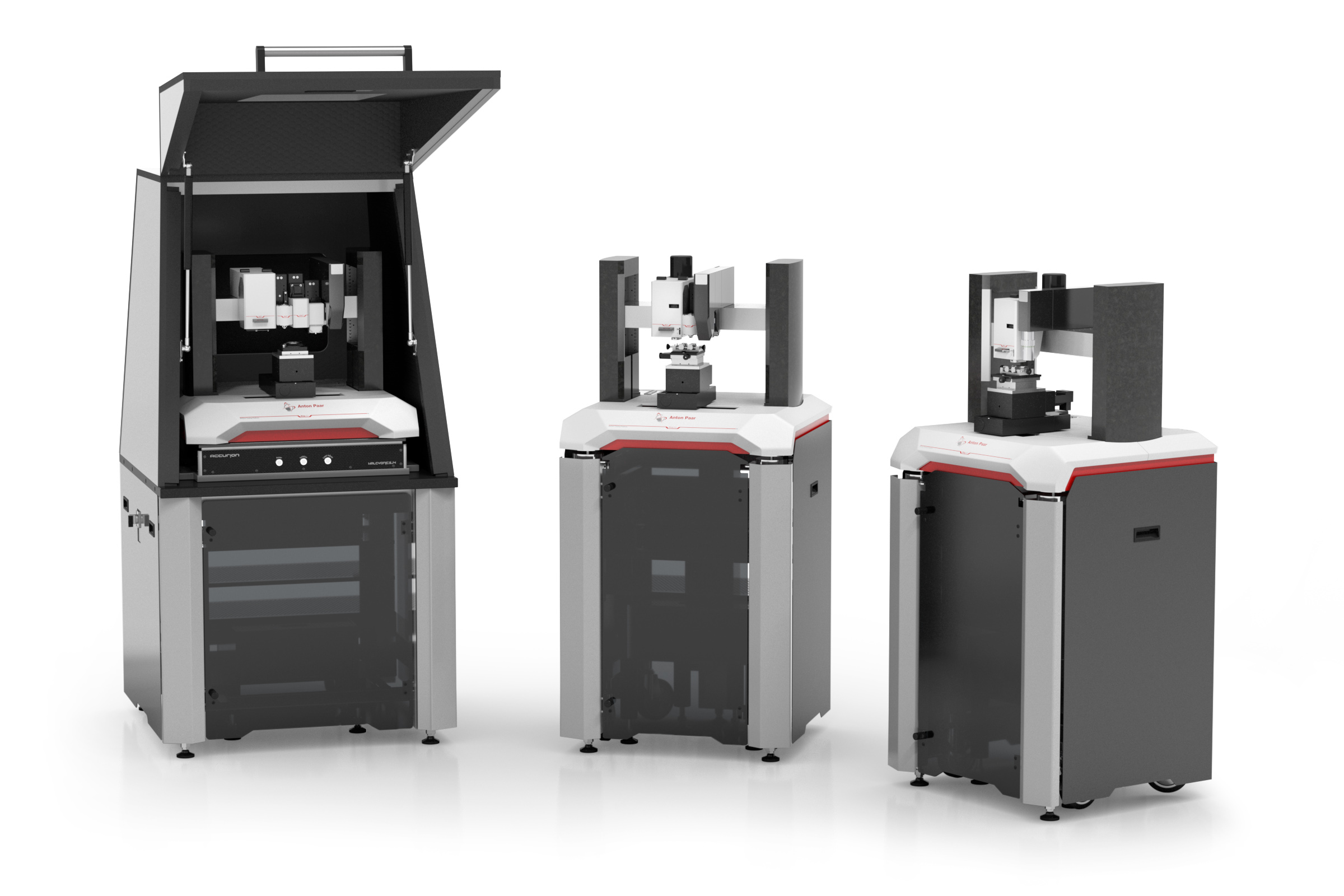 Indentation tests provide information on the mechanical properties such as hardness and elastic
modulus of thin films, coatings, and substrates. Anton Paar is the only company to provide a
nanoindentation tester with a real force sensor that actually measures the force applied to a
sample instead of estimating the values based on an actuator.
Indentation tests provide information on the mechanical properties such as hardness and elastic
modulus of thin films, coatings, and substrates. Anton Paar is the only company to provide a
nanoindentation tester with a real force sensor that actually measures the force applied to a
sample instead of estimating the values based on an actuator.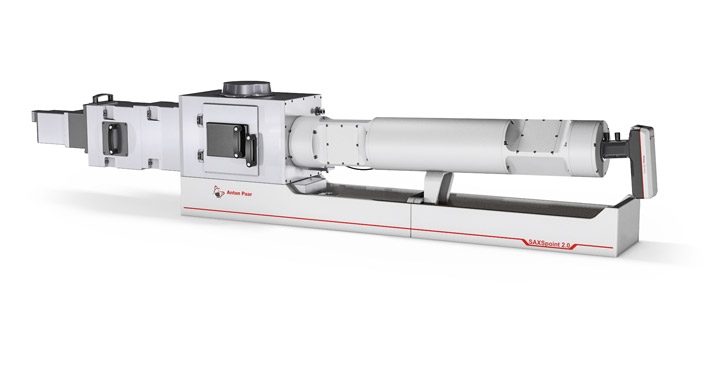 GISAXS is an important tool for investigating nanostructured surfaces and thin films. The nanostructure
determines a material’s properties and affects the usability of industrial coatings, printing
techniques, electronics, medical sensors, energy storage media, and many more. Investigating
nanostructures under changing or extreme external conditions such as elevated temperatures and
humidity enables you to tune and optimize materials.
GISAXS is an important tool for investigating nanostructured surfaces and thin films. The nanostructure
determines a material’s properties and affects the usability of industrial coatings, printing
techniques, electronics, medical sensors, energy storage media, and many more. Investigating
nanostructures under changing or extreme external conditions such as elevated temperatures and
humidity enables you to tune and optimize materials.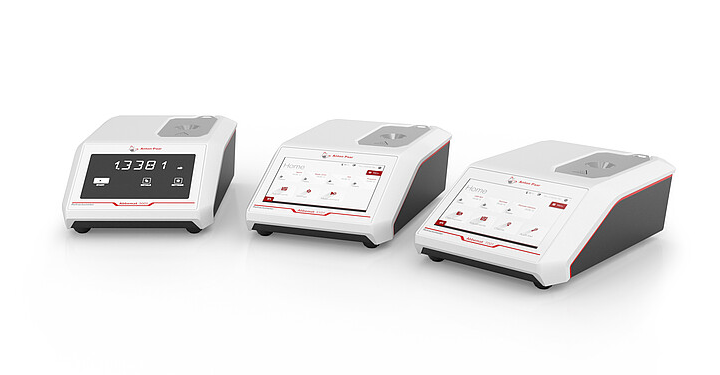 One of the most important optical parameters for the characterization of modern visual aids is the refractive index, which influences the refraction of light when it passes through the respective material, for example polymer films and glasses. The refractive index is used for material checks or material characterization to ensure a constantly high product quality.