



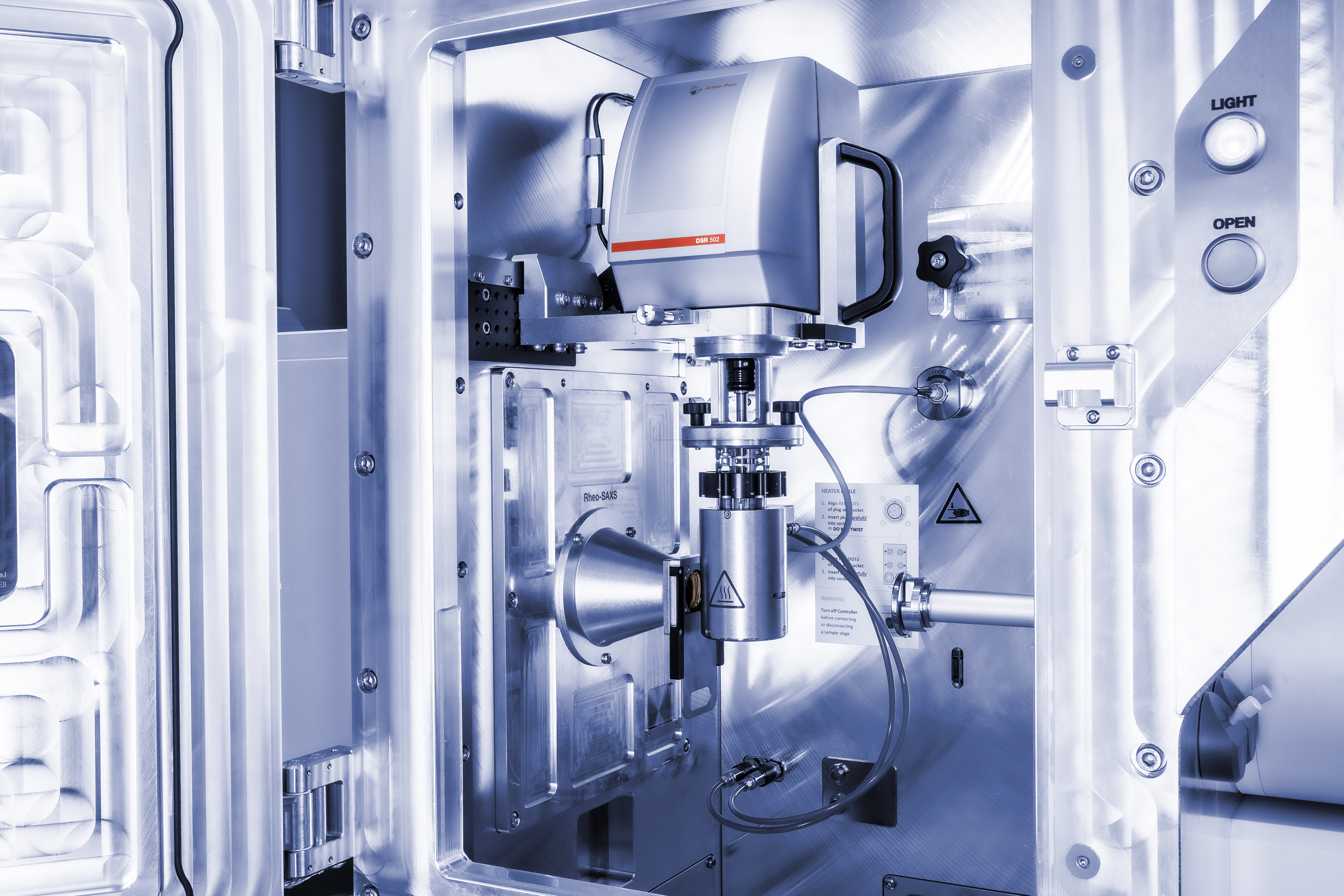
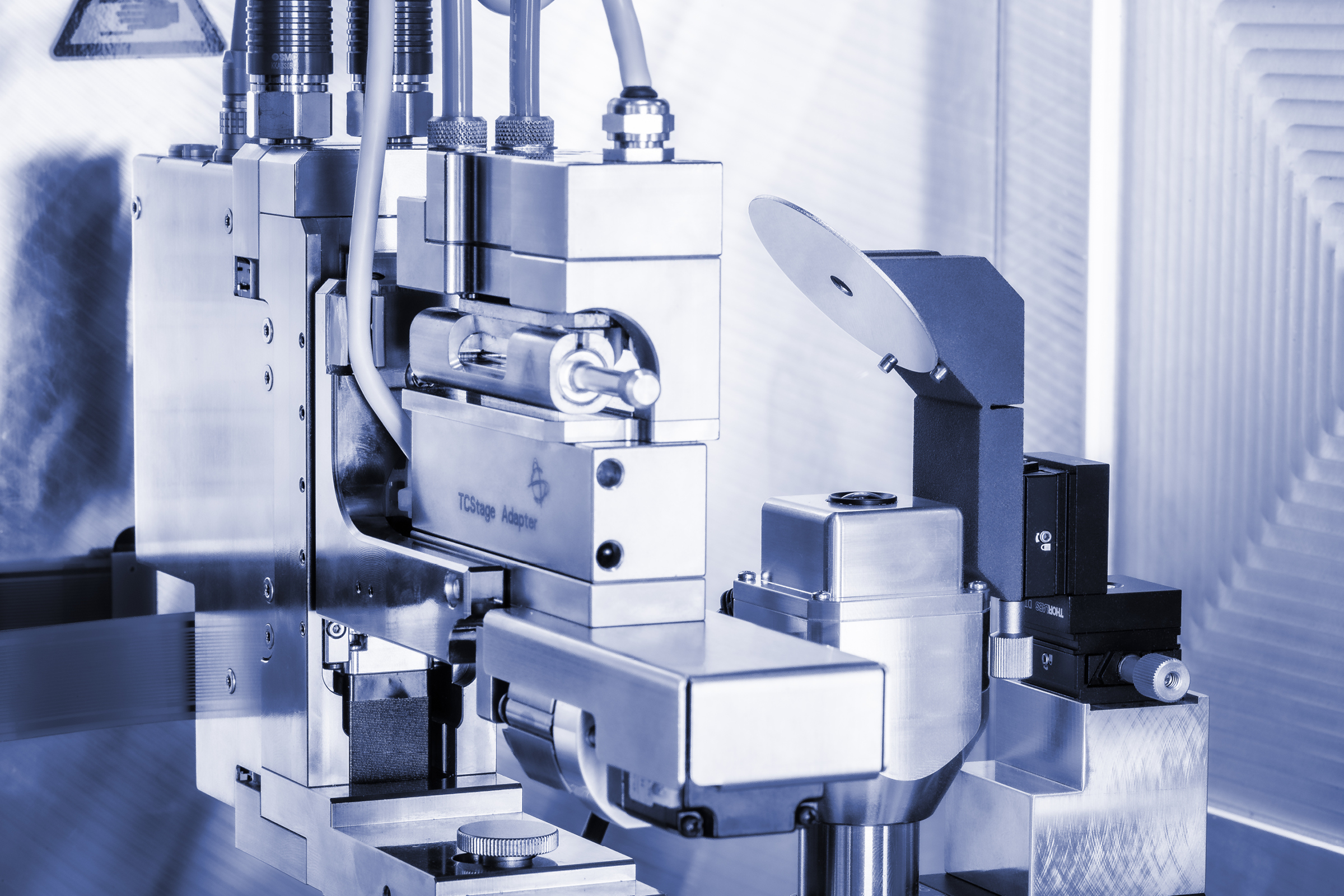
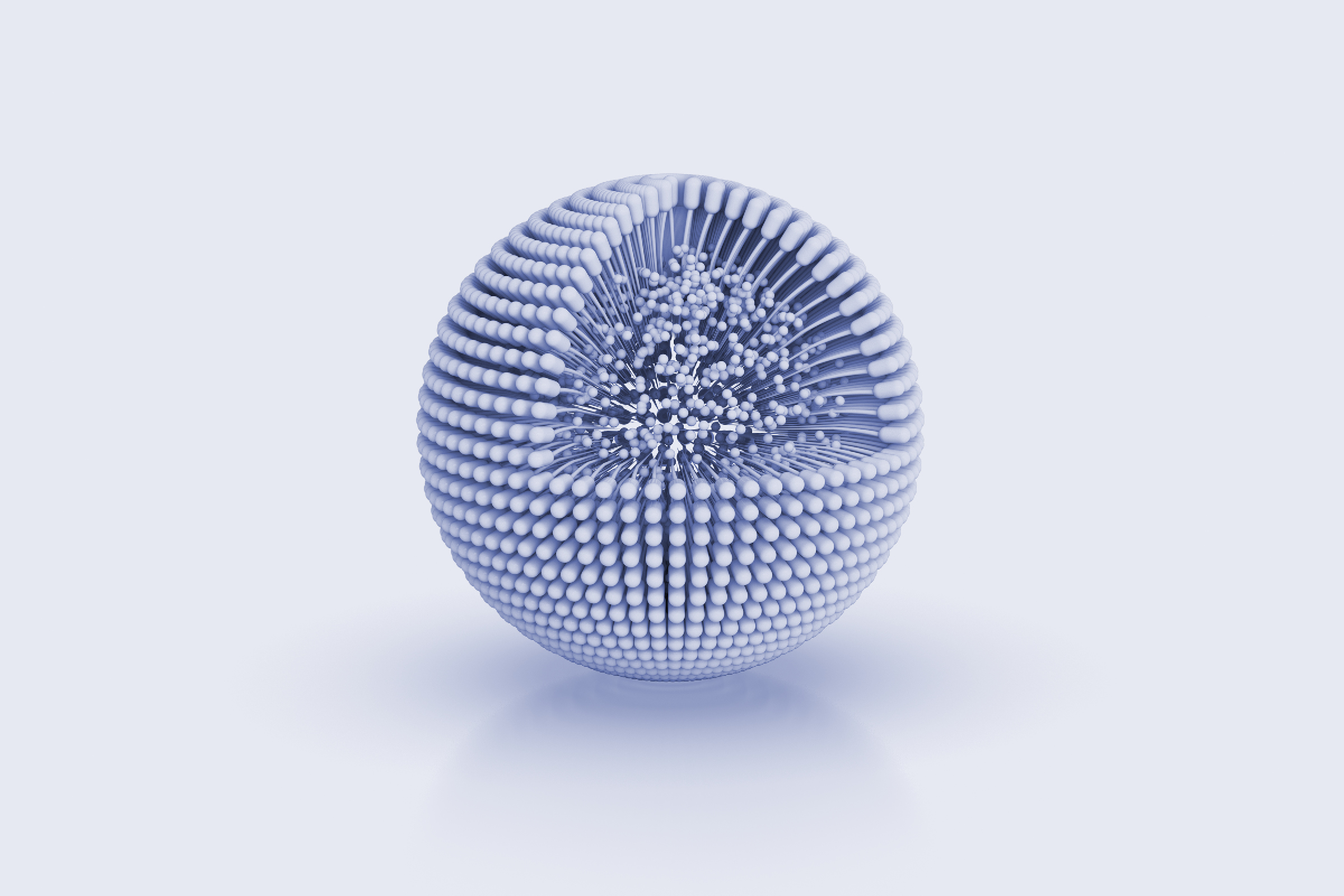
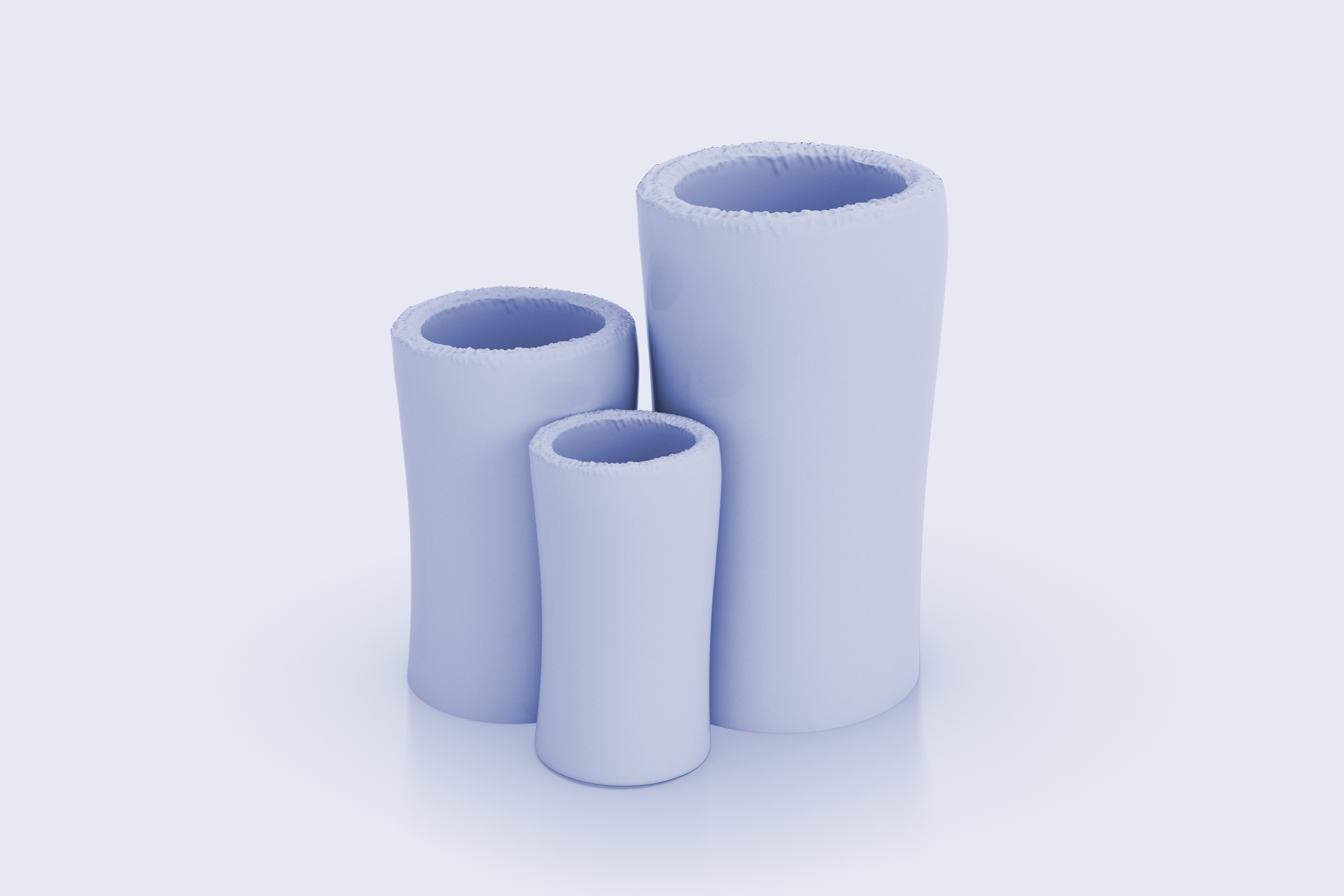
SAXS (small-angle X-ray scattering) reveals nanoscale structure without destroying the sample. SAXS quantifies size, shape, internal contrast, periodicity, and orientation for statistically meaningful volumes – liquids, gels, slurries, thin films, and fibers. Time-resolved and in-situ experiments track changes during heating, shear, humidity, or reactions, turning I(q) curves into clear answers for research and quality control across soft matter, polymers, porous solids, bio-macromolecules, energy materials, and coatings.

Get in touchExplore Solutions

SAXS; what it is, what it reveals

Principle

SAXS probes very small scattering angles where the scattering vector q corresponds to nanometer length scales. The measured intensity I(q) reflects electron-density differences and combines particle form factors with inter-particle structure, delivering insight into both individual objects and their interactions.

Signal and length scales

Low-q features report overall size and shape; mid-q regions capture internal architecture and aggregation; sharp peaks indicate periodicity with d-spacings derived from q*. With calibrated geometry and backgrounds, measurements can be placed on absolute or relative scales for trend-defensible comparisons.
 

What you learn

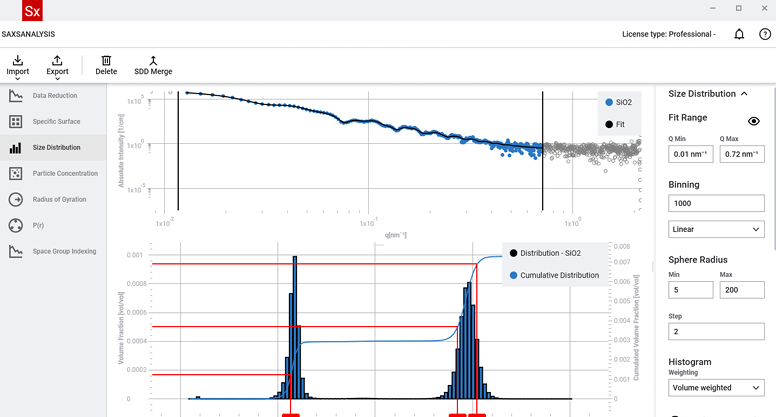
From a single dataset you can derive radius of gyration (Rg), maximum dimension (Dmax), size distributions, core–shell contrasts, orientation parameters, and characteristic spacings. Because SAXS averages large illuminated volumes, results are representative even for turbid or polydisperse systems measured close to native conditions.


 

Strengths and limits

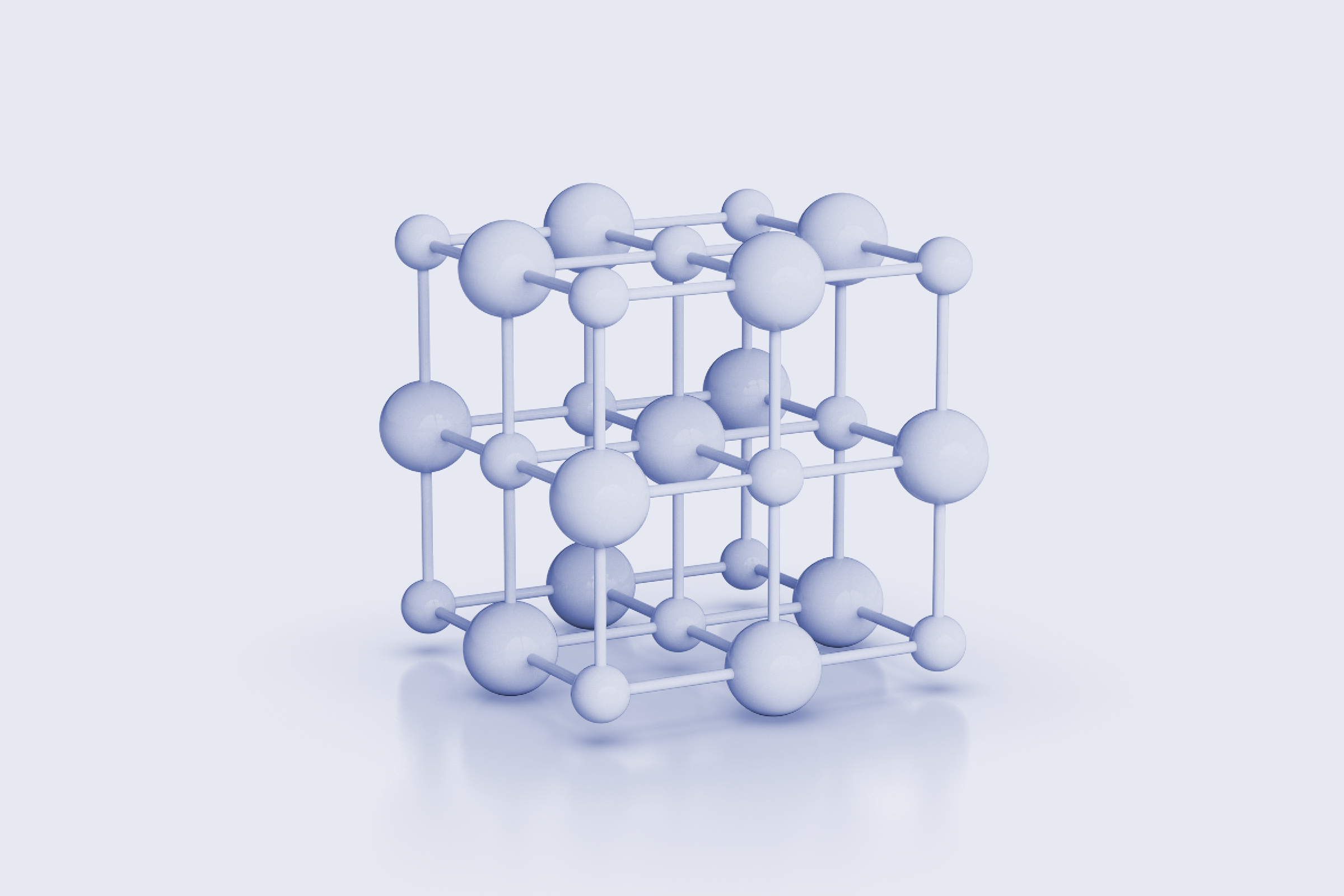
SAXS excels when samples are disordered, heterogeneous, or evolving. It complements methods that deliver crystallographic detail or real-space images; it does not replace atomic-resolution techniques but bridges formulation variables with mesoscale structure efficiently.

 

From curves to conclusions

Analyzing scattering curves (= function I(q)) allows derivation of information on size, shape and ordering. In this section you’ll see why transmissivity checks, geometry calibration, and rigorous background subtraction matter; how the Guinier region and Porod regime provide fast diagnostics; and how the real-space P(r) transform plus physically constrained models convert features into parameters with uncertainties. The outcome is traceable numbers – Rg, Dmax, spacing, orientation – that hold up in R&D and QC.

From data acquisition to I(q)

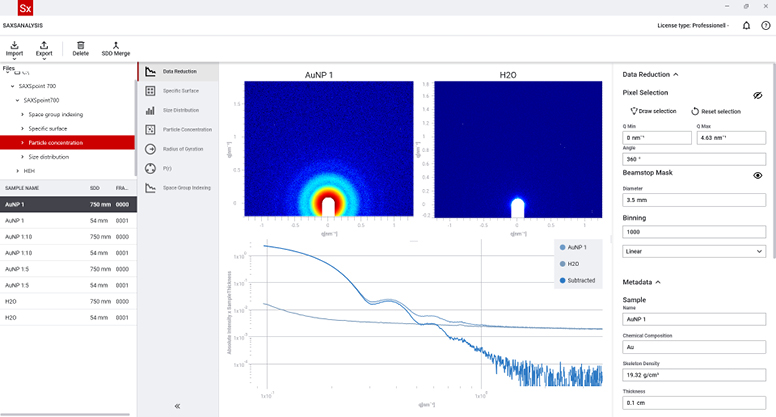
Robust results start with transmissivity checks, geometry calibration, and meticulous background subtraction. Proper sample holders and path lengths balance transmission with signal, while exposure management avoids radiation-induced change.

Interpreting features

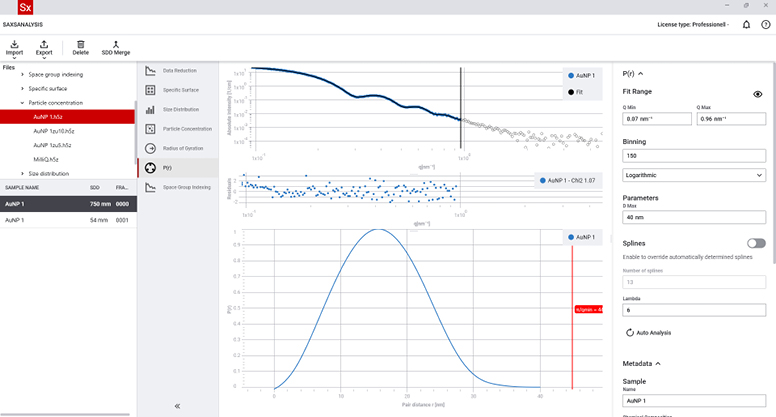
Guinier regions provide quick size estimates and sanity checks; Porod behavior offers information about interfaces and roughness. Real-space transforms to the pair-distance distribution function P(r) reveal overall shape and Dmax, guiding subsequent model choices.

Modeling and validation

Physically meaningful fits couple form and structure factors to separate particle geometry from interactions and concentration effects. Contrast variation, concentration series, and absolute scaling improve confidence, and comparing models against independent measurements strengthens conclusions.

Quality and reporting

Reliable SAXS includes uncertainties, fitting ranges, model assumptions, and goodness-of-fit metrics. Versioned processing, documented blanks/standards, and reproducible workflows ensure that datasets remain comparable across studies, time, and teams.

Designing robust SAXS experiments

Good SAXS starts before the exposure. Here we outline how to match sample form, concentration, and path length to the target q-range; select holders and environments that preserve native conditions; and plan blanks, standards, and exposure strategies to avoid damage or multiple scattering. We also cover time-resolved/operando setups and the simple checks that catch artefacts early, so your data is right the first time.

Samples and environments

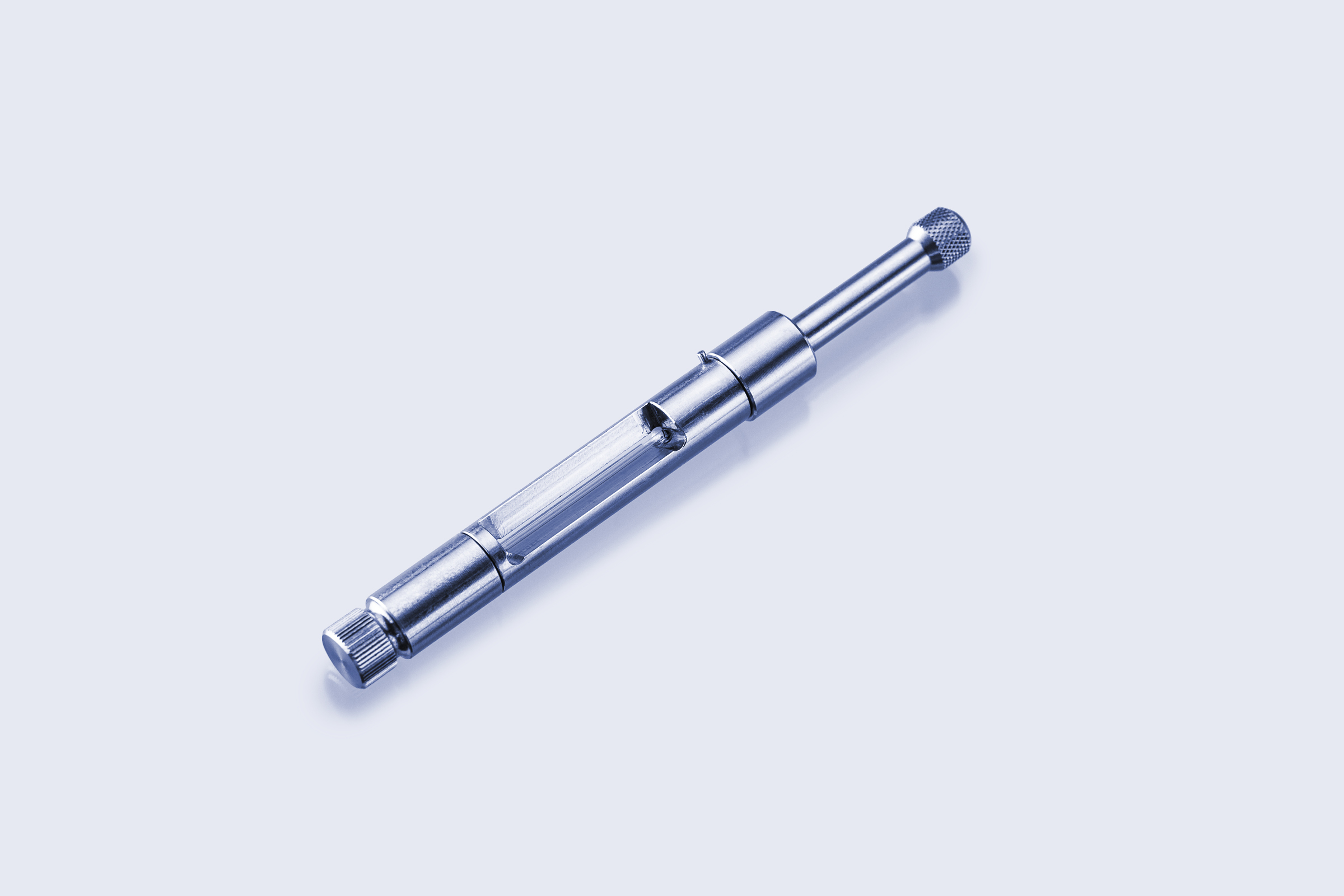
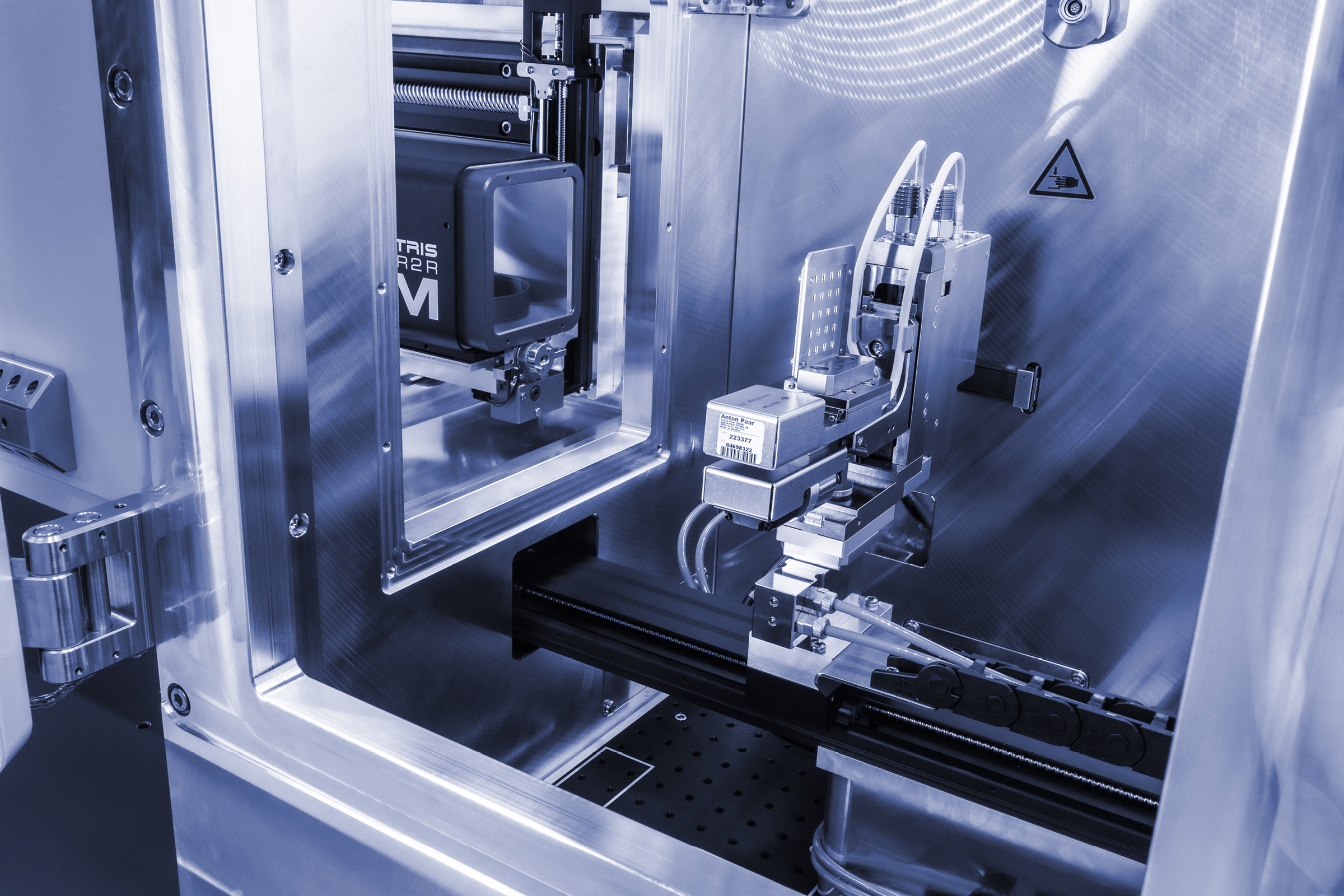
Liquids, gels, powders, films, slurries, and fibers can be measured with containment that preserves native conditions. The right experimental setup allows control of temperature ramps, humidity, shear, flow, and other stimuli to map structure–property relationships without excessive preparation.
 

Practical setup

Choose concentration and path length to optimize contrast and transmission; record matched blanks and standards for q-calibration and intensity scaling; document exposure histories and any mitigation steps for radiation-sensitive materials so comparisons remain valid.

Time-resolved and operando

Short-frame sequences capture assembly, crystallization, phase separation, and degradation. Coupling SAXS with external stimuli or complementary readouts (e.g. rheology or electrochemistry) correlates nanoscale changes with functional outcomes in real 

Common pitfalls and fixes

Over-subtraction, multiple scattering, and capillary fouling can distort I(q). Visual checks of residuals, repeat measurements, and control experiments help isolate artefacts, while systematic naming and metadata standards keep multicenter studies aligned.

SAXS applications

Where does SAXS make the difference? Across soft matter and colloids, polymers and fibres, porous/hybrid materials, and biomacromolecules, SAXS quantifies domains, interfaces, and orientation at the 1 nm to 200 nm scale – often in situ and operando which means under process-relevant conditions. This section maps common questions regarding readouts    (e.g., aggregation number, lamellar spacing, pore size distribution) and shows how SAXS complements WAXS/XRD, DLS, and microscopy for a complete structure–property picture. For thin films or greater-length scales, GISAXS and USAXS extend the method.

Soft matter and colloids

Track size distributions, aggregation number, and stability under formulation changes to support shelf-life and performance claims. Follow coalescence or micelle transitions as a function of concentration, temperature, or additives.

Polymers and fibers

Monitor lamellar spacing, crystallinity, and orientation during thermal cycles, extrusion, or drawing, and link processing parameters to mechanical behavior.
 

Porous and hybrid materials

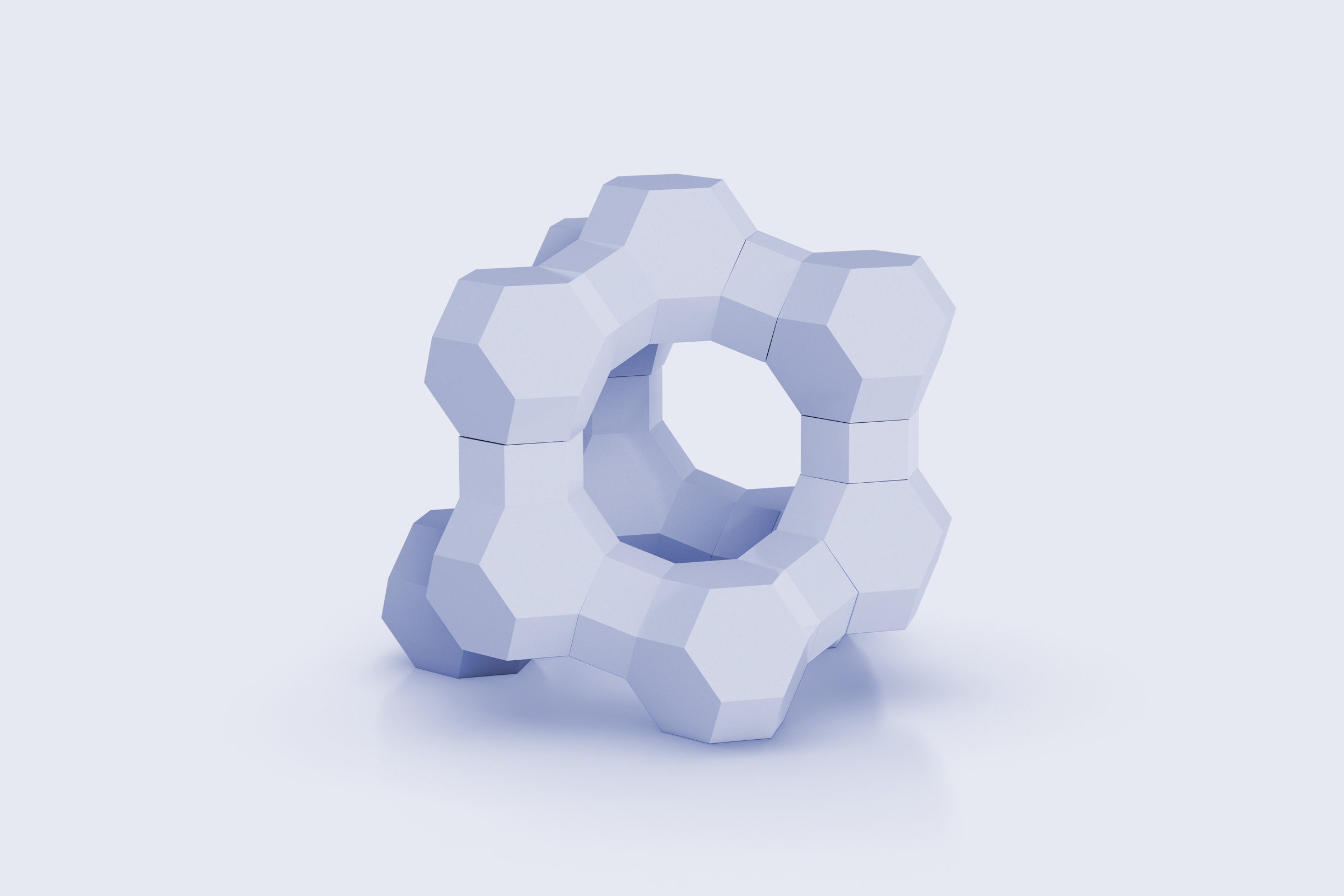
Quantify pore/void sizes and connectivity and watch domain evolution during activation, sorption, or cycling in MOFs, zeolites, carbons, and cementitious systems.
 

Biomacromolecules

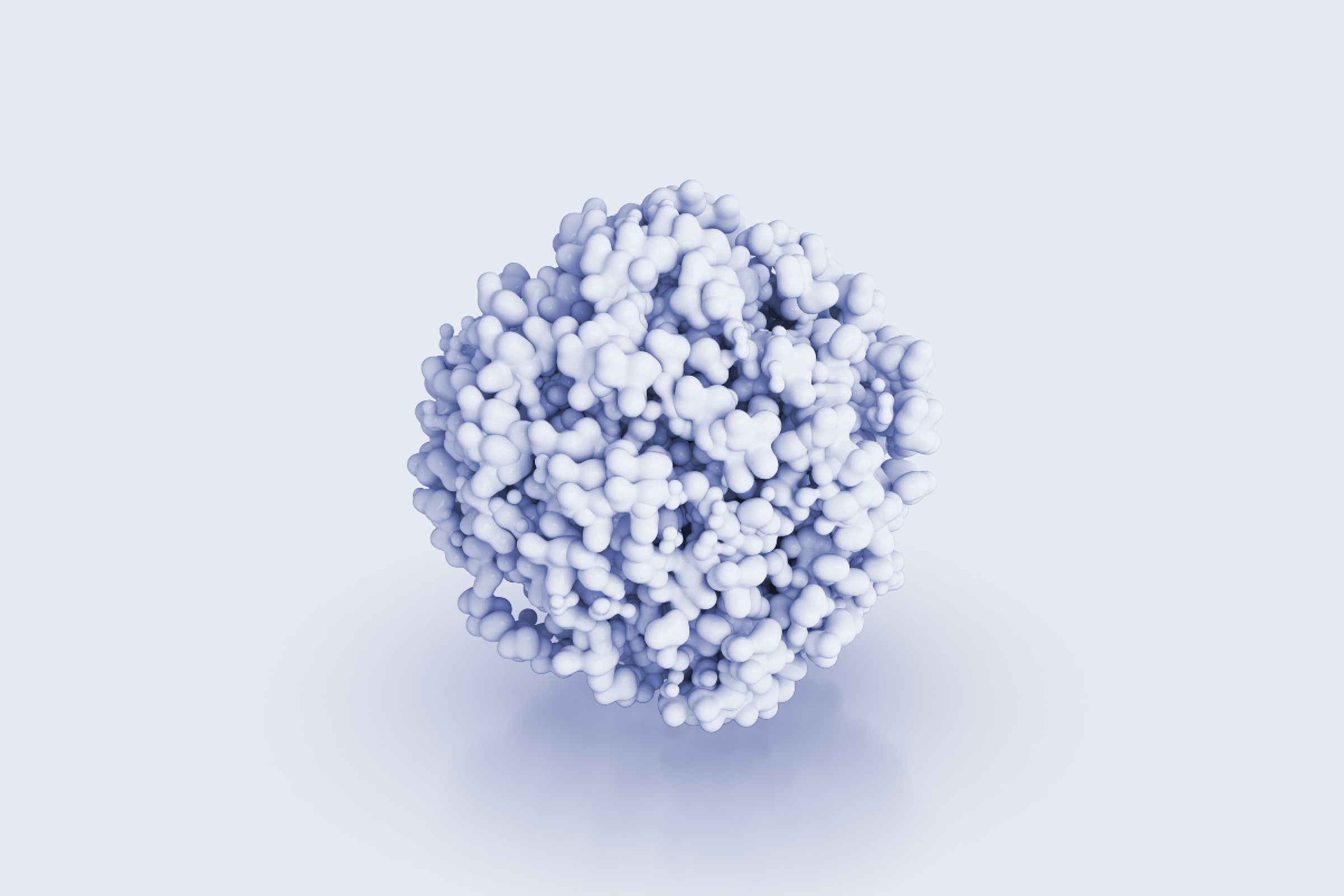
Assess overall shape, flexibility, oligomerization, and complex formation in solution to support screening and mechanism studies.
 

Technique fit and complementarity

SAXS complements WAXS/XRD for crystal structure, DLS for hydrodynamic size in clear solutions, and electron or probe microscopies for local images – together providing a complete view from nanoscale order to macroscopic performance.
 

Ready to apply SAXS in your daily lab or QC workflow? Explore systems that bring these techniques into practice with reliable, repeatable results.

See Instruments