SAXS Instruments
See nanostructure clearly: your samples, your conditions
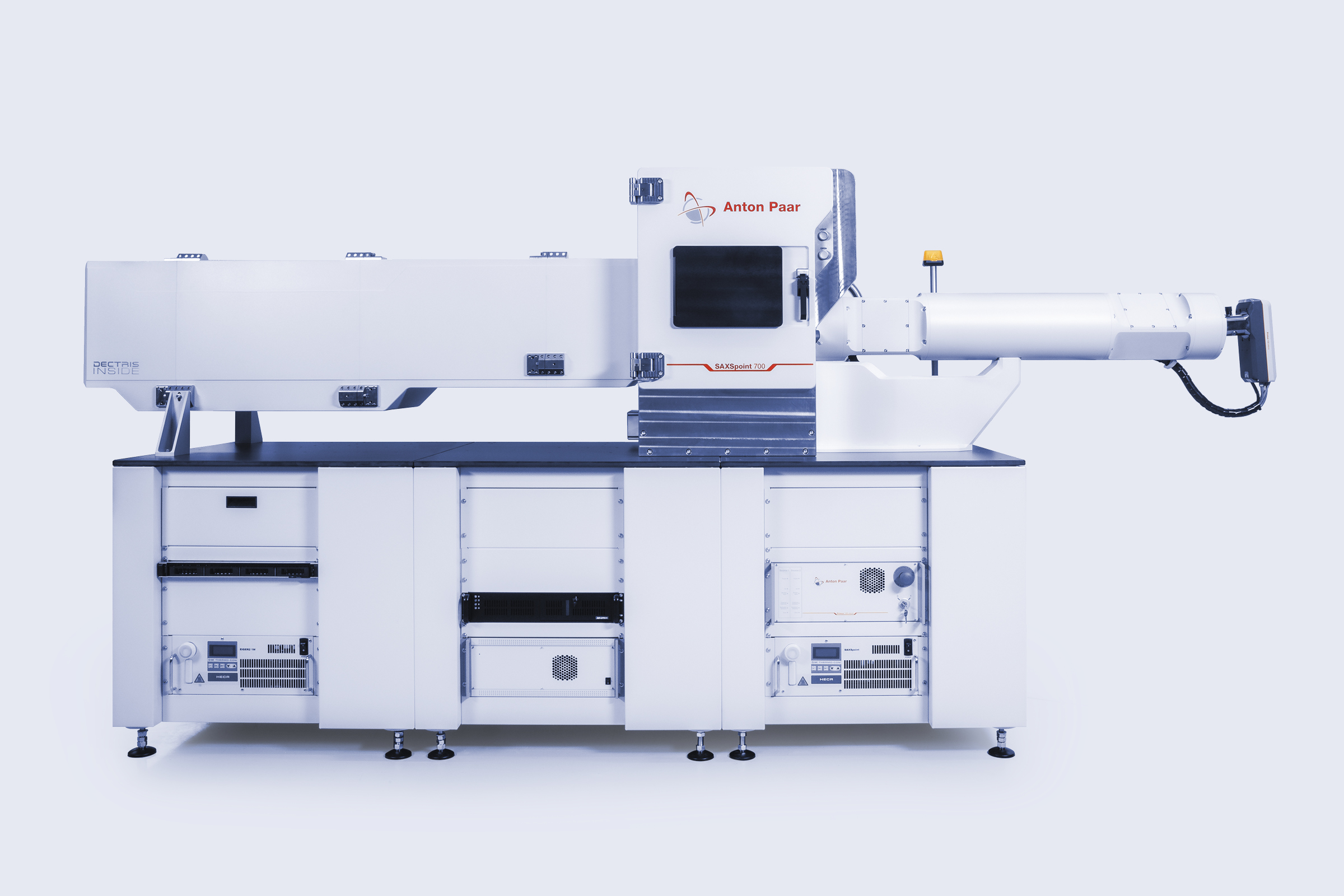
Small-angle X-ray scattering (SAXS) is a non-destructive method that reveals nanoscale structures in a sample. SAXS instruments can measure statistically meaningful volumes in native states – liquids, gels, slurries, thin films, fibers – and follows changes in situ and operando. With combined SAXS/WAXS, flexible sample environments, and automation, you can obtain data allowing you to characterize size, shape, orientation, and domain spacing for R&D and QC across materials, life science, energy, and consumer products.
What you can analyze with SAXS Instruments
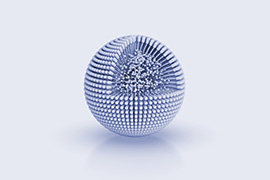
Nanoparticles and colloids
Determine size distribution, aggregation state/number, core–shell structure, and stability over time or with additives. Support formulation decisions and shelf-life claims.
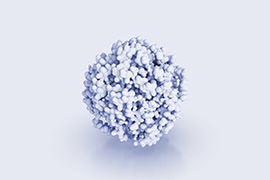
Biological macromolecules (BioSAXS)
Assess shape, radius of gyration, maximum particle dimension, flexibility, and complex formation in solution. Compare conformation under ligand binding or buffer changes to guide screening.
Polymers and fibers
Track crystallinity, lamellar spacing, and orientation under temperature and humidity ramps, shear, or draw. Correlate processing parameters with mechanical performance.
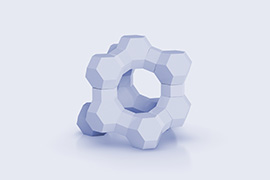
Porous and hybrid materials
Quantify pore/void sizes, connectivity, and surface area evolution during activation, sorption, or cycling (e.g. MOFs, zeolites, carbons, cements).
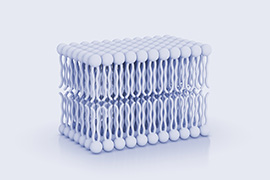
Self-assembly and surfactants
Resolve micelles, vesicles, and lyotropic phases. Follow structural transitions with concentration, temperature, salts, or shear for detergents, emulsions, and drug delivery.
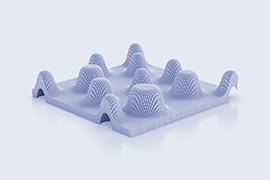
Energy and coatings
Characterize battery slurries, inks, and paints: dispersion quality, agglomeration, domain spacing – then link microstructure to conductivity, opacity, or durability.
Advantages of using SAXS
- Non-destructive: Samples do not get altered and remain intact for subsequent analyses.
- Minimal sample preparation: Reduces preparation time and preserves natural sample conditions.
- Real-time analysis: Enables observation of dynamic changes and interactions.
- High accuracy and reproducibility: SAXS instruments provide reliable data for research and quality control.
- Diverse sample types: Unlike in crystallography, SAXS samples do not need to be crystalline. This means that many different types of samples can be analyzed including solutions, gels, powders, and solids.
Why acquire an in house SAXS instrument?
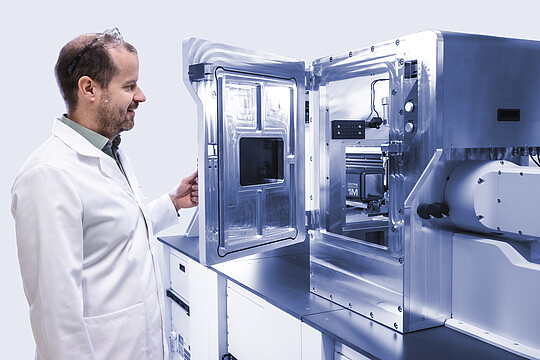
Purchasing managers and technical leads report these three main recurring drivers:
- Faster decision cycles – Typical sample to result time drops from weeks (synchrotron or external service) to a few hours using an in-house SAXS instrument, supporting agile R&D and shorter qualification loops.
- Confidentiality and compliance – Data remain on site, satisfying IP-protection and audit trail requirements (ISO 17025, GMP, FDA 21 CFR Part 11).
- Lower medium term cost – At a usage above ≈ 250 measurements / year, the cumulative saved costs related to beamtime, shipping, and analyst hours are greater than those related to instrument depreciation and service agreements.
Why choose Anton Paar’s SAXS solutions?
Anton Paar combines outstanding data quality with user-friendly workflows and reliable SAXS instrument performance.

Beam quality and data precision
Anton Paar’s SAXS systems feature optimized X-ray beam delivery systems that provide high spectral purity (>99.9% Cu Kα). This ensures high-quality, reproducible SAXS and WAXS data, comparable to synchrotron-level measurements, even with minimal exposure times.

Versatile experimental options
Anton Paar instruments support various measurement conditions with easily interchangeable sample environments. These include temperature-controlled stages (-150 °C to +500 °C), humidity chambers, shear cells, and specialized setups such as RheoSAXS, allowing comprehensive material characterization.

Integrated SAXS and WAXS capabilities
The SAXSpoint systems facilitate simultaneous SAXS and WAXS measurements without the need for extensive realignment. Features such as Slidemaster (SAXSpoint 700) and TrueSWAXS (SAXSpoint 500) streamline experiments, improving laboratory productivity.

Automation for enhanced efficiency
Anton Paar’s automated sample handling enables high-throughput analyses, accommodating up to 192 samples per run. This automation reduces user intervention, minimizes errors, and maximizes productivity in research and quality control applications.

Software and data management
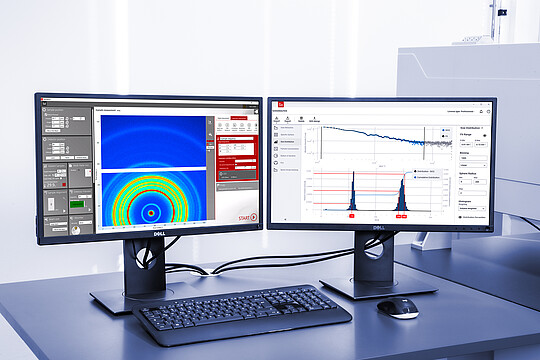
Anton Paar's SAXSdrive™ and SAXSanalysis™ software simplify data acquisition, analysis, and reporting. Advanced users can utilize Python scripting for custom automation, enhancing flexibility and facilitating complex experimental setups.

Global support and instrument reliability
Anton Paar supports users with extensive technical support and training through a global service network. Systems such as the SAXSpoint 700 come with a comprehensive three-year warranty, ensuring reliability and continuous operation.
Selecting the Right SAXS instrument
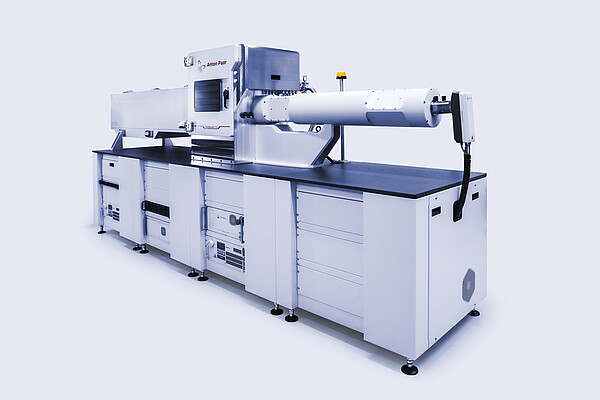
SAXSpoint 700: A premium SAXS instrument ideal for laboratories requiring maximum flexibility and resolution for advanced research applications.
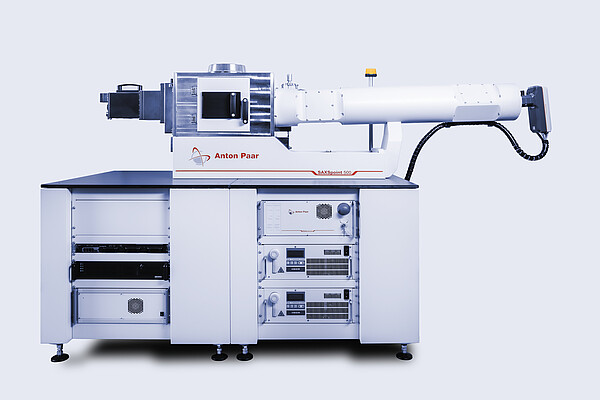
SAXSpoint 500: Offers robust performance and flexibility within a compact system, suitable for routine research environments.
For more detailed information or to discuss specific requirements, please reach out to our specialists.