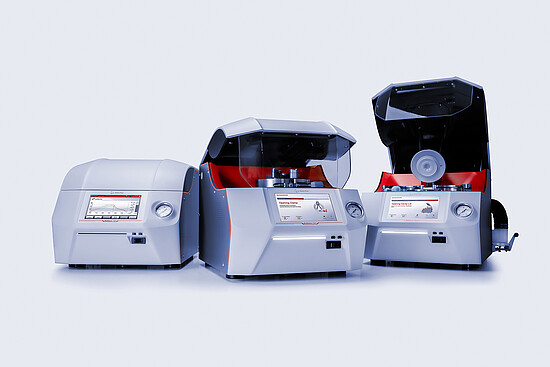
High-temperature acid digestion is the most effective method for preparing various sample materials for successful, trouble-free ICP or AAS analysis. Higher temperatures improve digestion quality and deliver faster, more efficient results. This is particularly important for challenging samples such as PGMs, ceramics, oxides, geological materials, and alloys.


Book a demo

Our instruments go to extremes

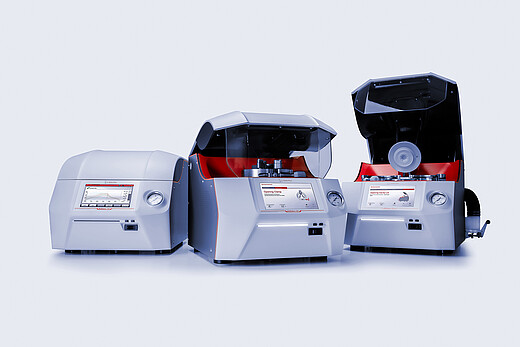
Anton Paar’s Multiwave 7101, 7301, and 7501 microwave digestion systems are the result of decades of experience in manufacturing high-performance microwave laboratory equipment. Built for safe, consistent performance at elevated temperatures and pressures, they handle demanding, high-value samples with ease using semi-automated workflows to ensure fast and reliable digestions. 

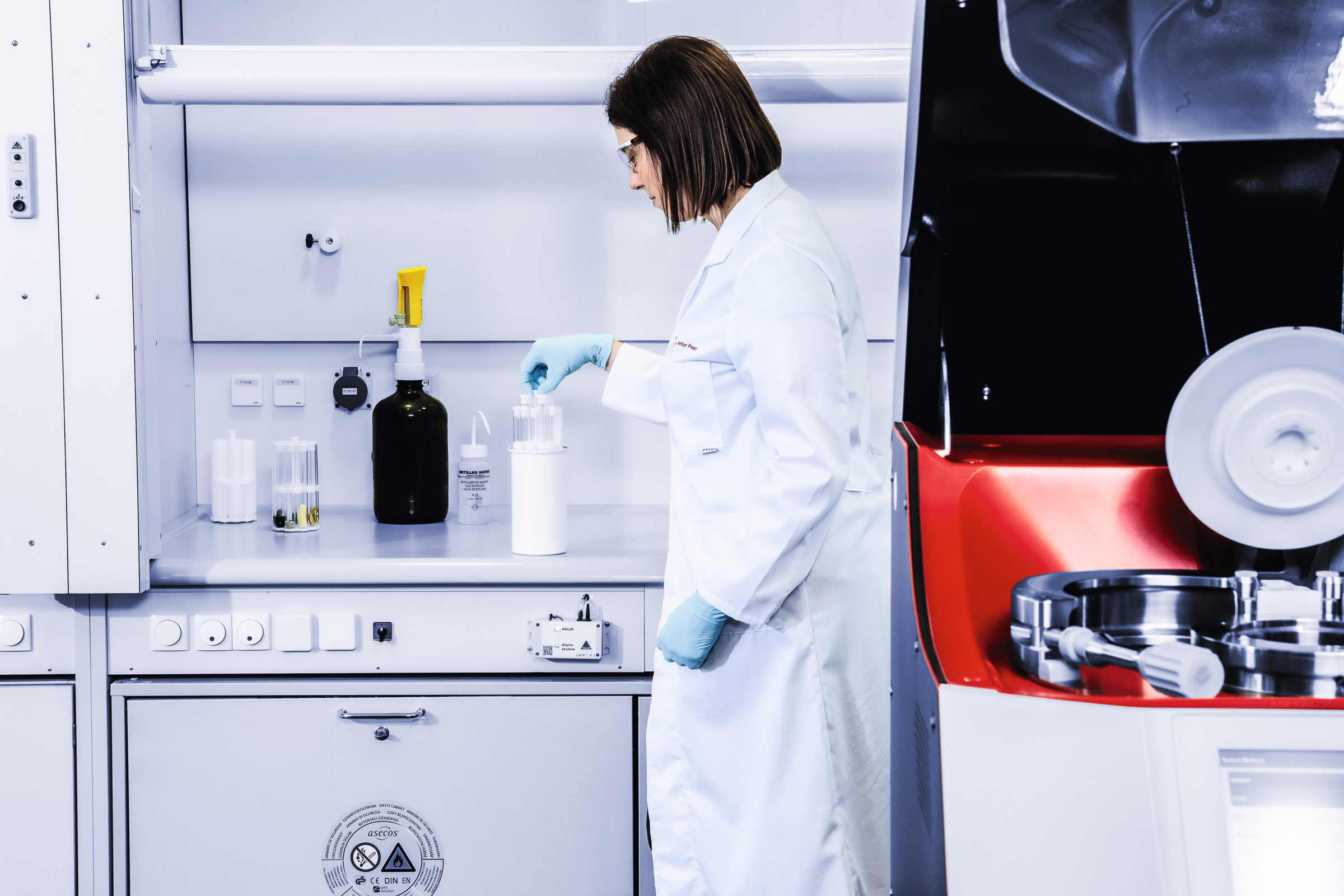
Technician prepares sample vials under a fume hood beside a partially visible Anton Paar Multiwave 7301 microwave digestion system

Key Features

Fast heating up to 300 °C: 1,700 W microwave power delivered
Suitable for any analytical task: Vials made of PTFE, quartz, or glass 
Efficient vial handling: Plug-on caps
Space and infrastructure savings: Small footprint with integrated cooler and controller
Certified safety features: ETL and GS-approval
 

Key applications

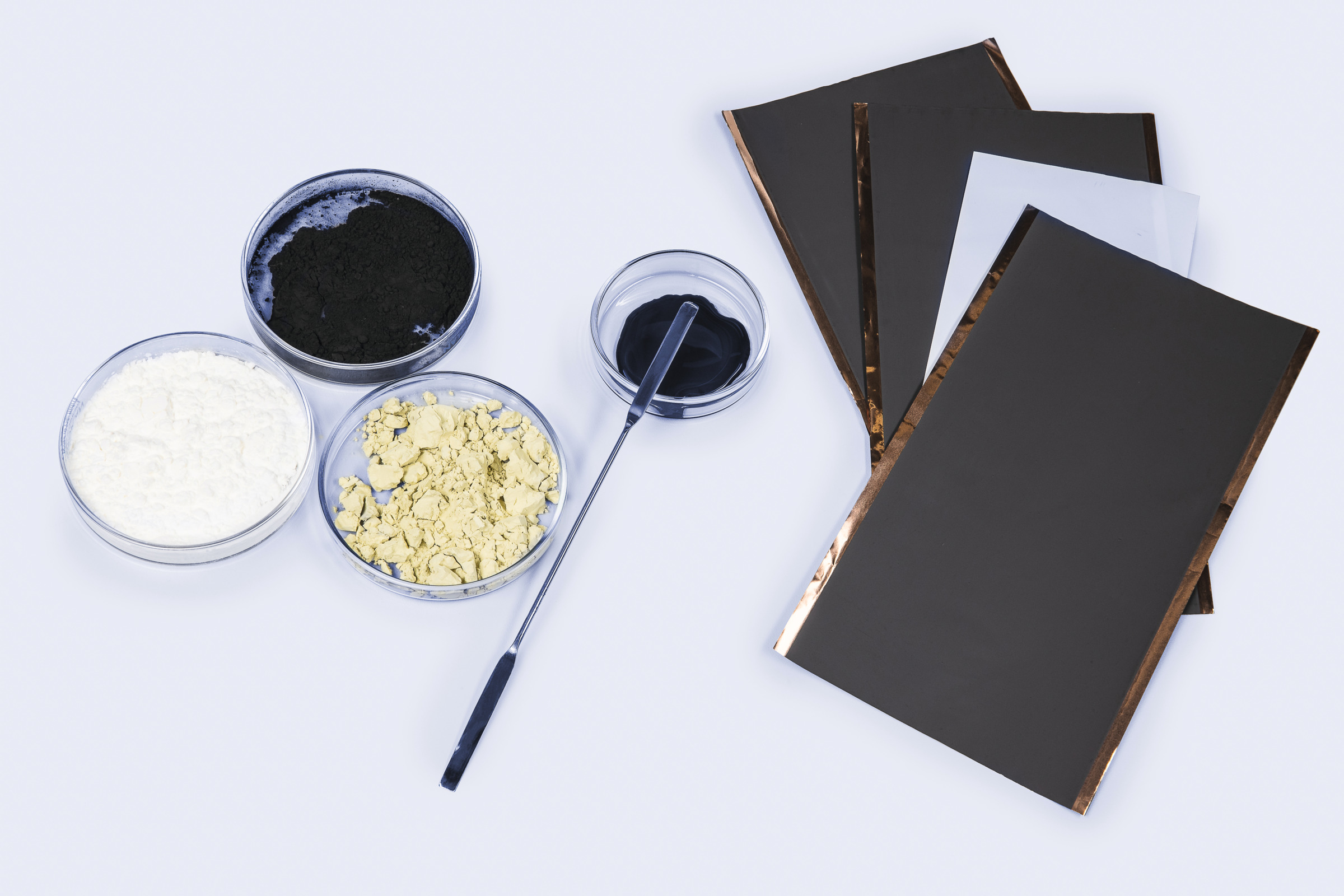
Petri dishes with black, white, and yellow powders, a spatula, and stacked dark electrode sheets with copper-colored edges

Battery and electronic materials

Multiwave 7101, 7301, and 7501 provide powerful tools for the digestion of various lithium-ion battery materials prior to elemental analysis.
With the rapid growth of lithium-ion battery technologies, accurate determination of elemental composition has become essential for both quality control of individual components and the efficient recovery of valuable materials at the end of the battery lifecycle. 

Learn more

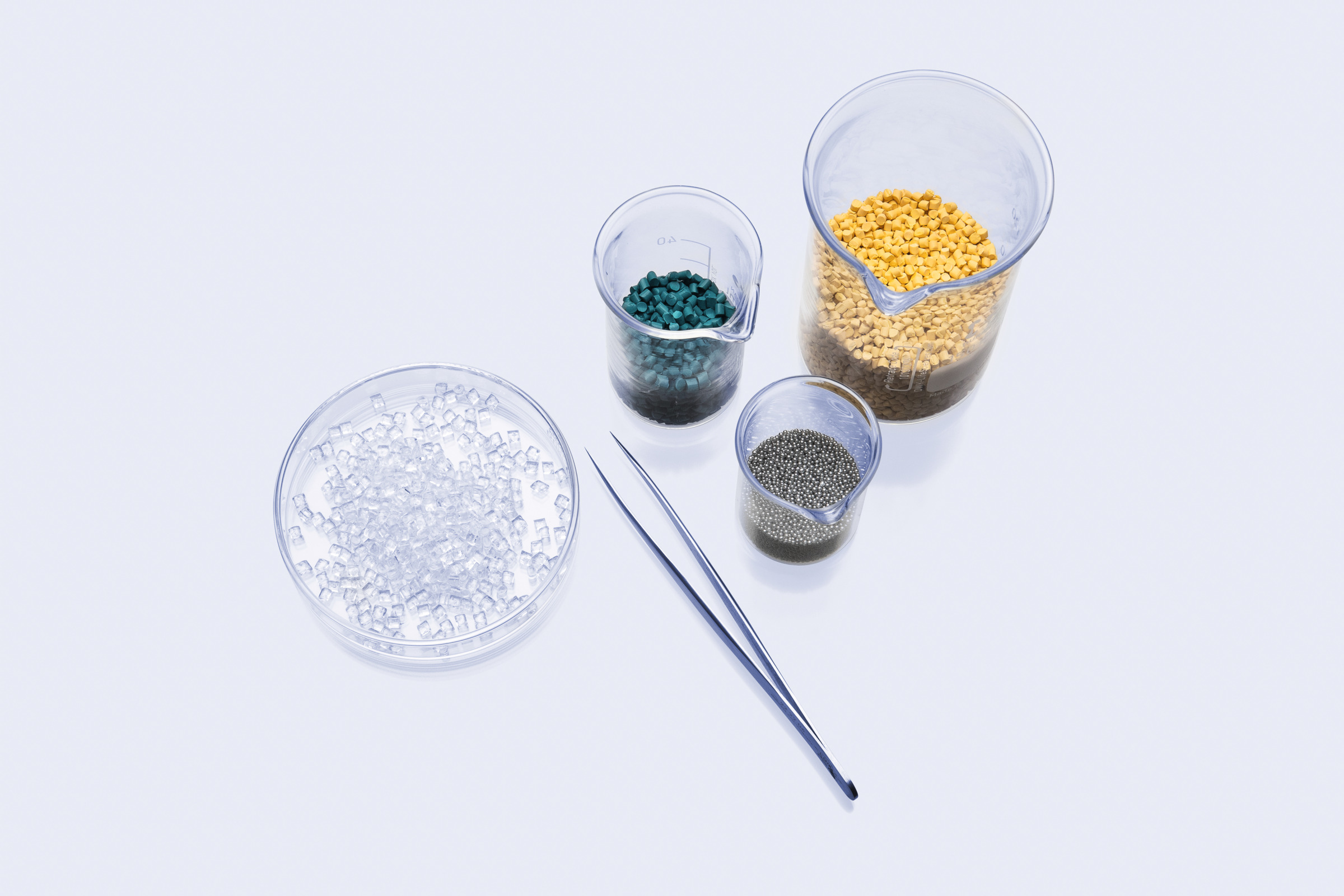
Clear dish, beakers with colored plastic pellets and metal beads, and tweezers on a light background

Polymer samples

In polymer processing, the determination of specific trace elements is required for both regulatory compliance and product performance. Certain elements must be kept below specified limits due to health, safety, or environmental requirements (e.g., Hg, Ni, and Pb), while others must be controlled within defined ranges to guarantee desired product characteristics such as flame resistance (e.g., Sb and Mg), color (e.g., Cr, Fe, and Pb) and thermal, mechanical, and electrical properties.
Multiwave 7101, 7301, and 7501 enable digestion of a wide range of polymer samples prior to elemental analysis within a single run. PTFE-TFM, quartz, and disposable vials can be used in the same digestion experiment for the simultaneous digestion of polymer samples with and without HF.

Learn more

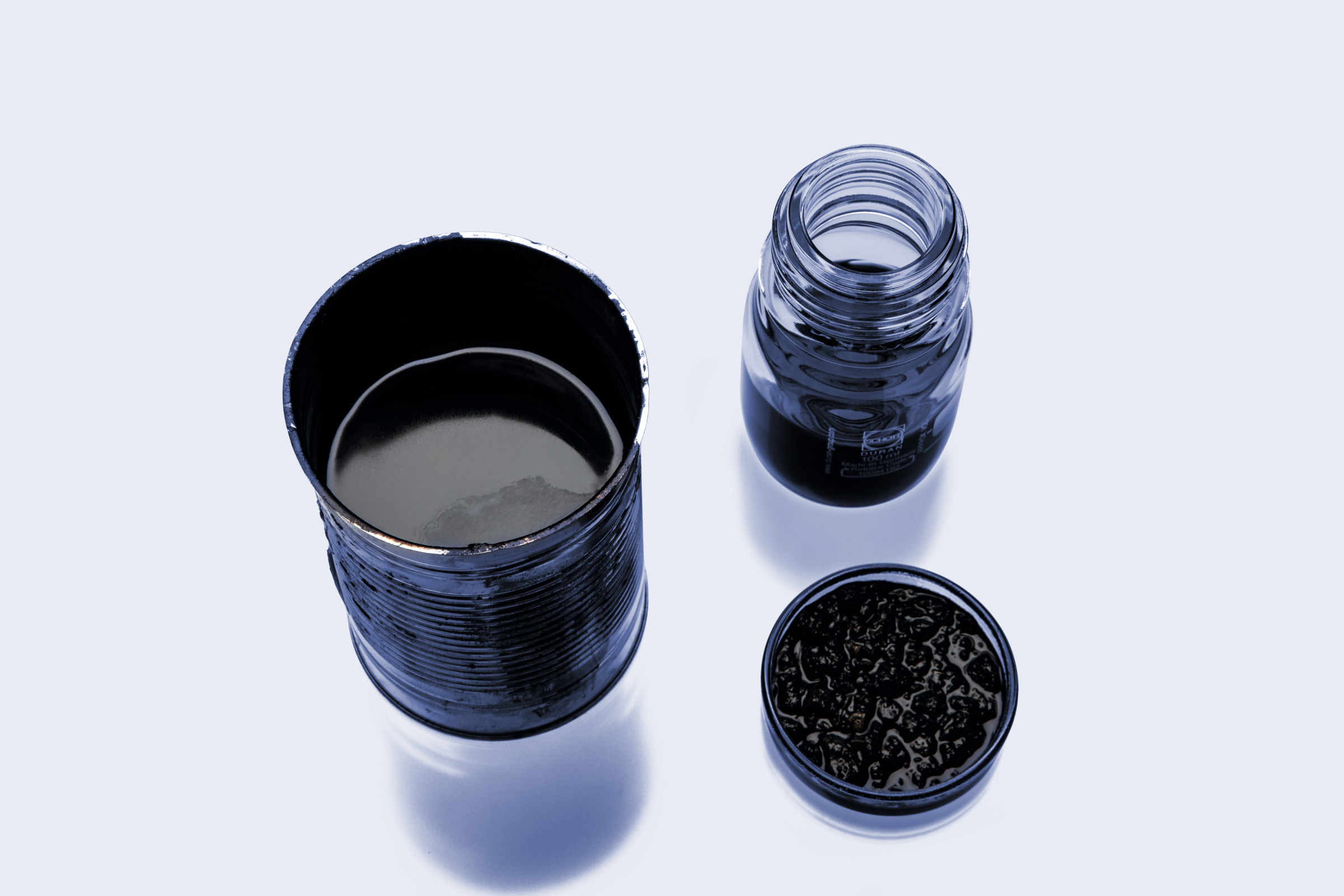
Open metal can, glass bottle, and lid containing black liquid on a light background

Petroleum samples

In crude and residual oils, the concentrations of elements such as silicon, aluminum, vanadium, nickel, and sodium define quality and value. Nickel and vanadium, for example, can deactivate catalysts during processing and promote corrosion in motors and boilers during combustion, while silicon and aluminum indicate the presence of abrasive silicate particles, which can damage engines.
Multiwave 7101, 7301, and 7501 – equipped with a pressurized digestion cavity (PDC) – enable simultaneous digestion of up to 0.75 g of petroleum sample using a combination of vessel materials in a single run (with and without HF).  

Learn more

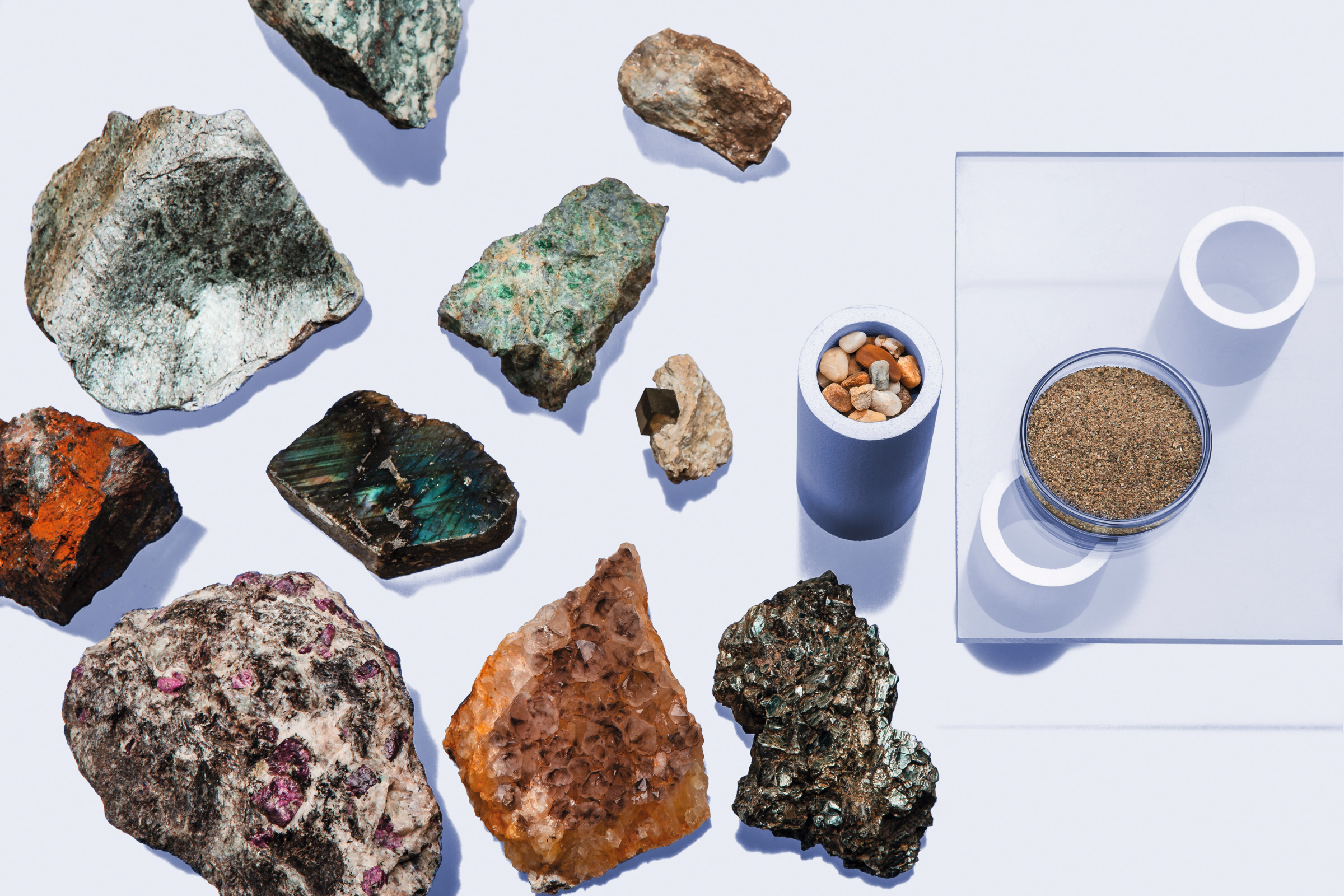
Rock and mineral samples arranged beside dishes of pebbles and sand on a clear acrylic plate

Mining and geological samples

In prospecting for new mining projects as well as in the development and maintenance of existing mines, large numbers of mineral samples must be analyzed quickly. These samples consist of ore and waste rock in varying proportions and are analyzed for key geochemical indicator elements to identify and track geological formations.
Today, ICP-OES and ICP-MS are increasingly used due to the potential for higher sample throughput. Microwave acid digestion offers quick and reliable sample preparation for these techniques.

Learn more
 

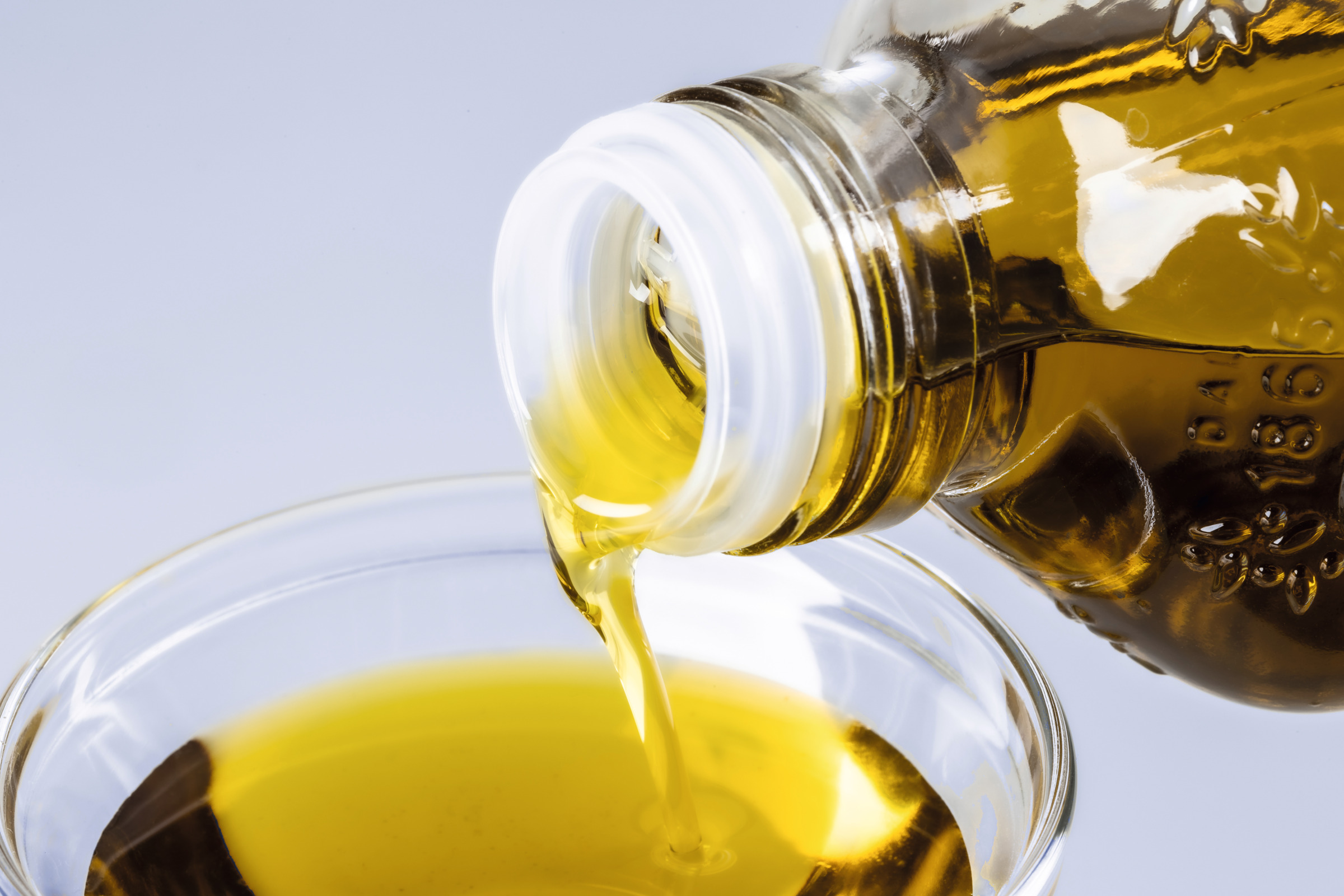
Golden liquid being poured from a glass bottle into a clear dish on a light background

Food samples

Reliable food analysis for toxic trace metals such as lead, cadmium, arsenic, and mercury requires robust sample preparation. Different food matrices and reactive components such as fats, proteins, and carbohydrates often make digestion challenging. Thanks to its pressurized digestion cavity (PDC), Multiwave 7101, 7301, and 7501 create uniform digestion conditions for all vessels. This allows different food samples to be safely and completely digested together in a single run, improving throughput, reproducibility, and analytical reliability. 

Learn more
 

Products

Book your demo

High-Performance Digestion for Any Challenge

High-Performance Digestion for Any Challenge
*
*
*
*
*

From battery materials to geological, polymer, petroleum, and food samples – tell us about your application and we will help you find the right solution for your sample preparation needs.

Get in touch