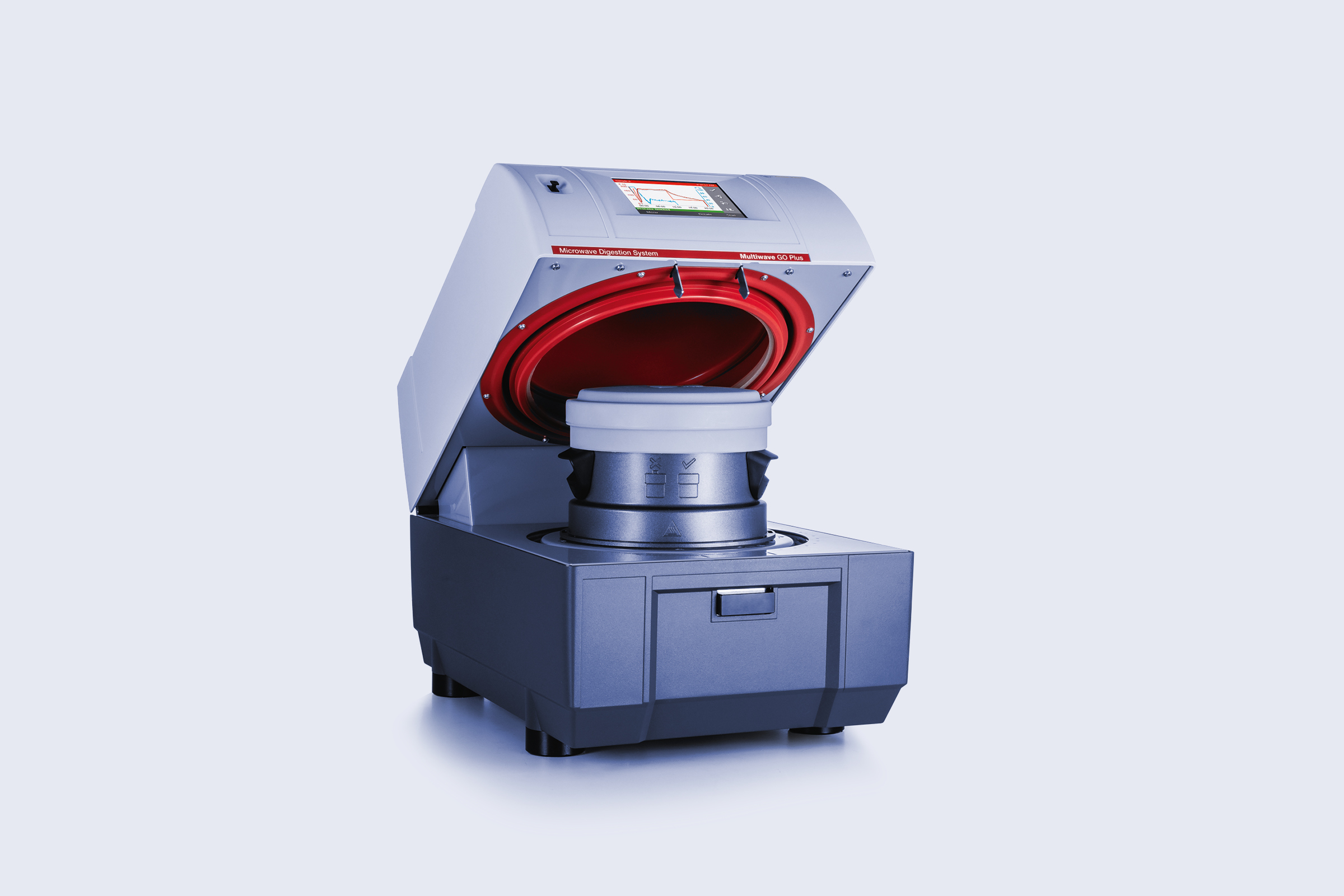
Microwave digestion transforms your sample preparation into a faster, safer, and more reliable process. Compared to conventional hot block or hot plate methods, digestion times are up to 20x faster, significantly increasing throughput. The closed-vessel system minimizes acid exposure and lowers consumption while ensuring precise temperature and pressure control. Cleaner digests improve the LOD and LOQ performance of your ICP, giving you greater confidence in every reported value.
In open-vessel systems such as hot plates or hot blocks, digestion performance is limited by the boiling point of the acid mixture. Higher temperatures accelerate reactions but also cause evaporation losses. Closed-vessel microwave digestion allows higher temperatures and pressures, prevents contamination and acid loss, and delivers faster, safer, and more reliable results.
Faster
Higher temperatures under pressure accelerate reaction kinetics and significantly reduce digestion time compared to hot blocks or hot plates. Shorter preparation times mean lower labor costs per sample and faster reporting, turning saved minutes into measurable financial value.
Safer
Closed-vessel systems prevent acid evaporation and minimize operator exposure to corrosive fumes, while lower acid consumption and controlled pressure conditions enhance laboratory safety and compliance.
More reliable
Complete digestion in sealed vessels minimizes contamination and background interference, improving the LOD and LOQ performance of your ICP. Higher reproducibility reduces measurement deviations and significantly lowers the need for costly and time-consuming remeasurements.
Food analysis: Safe and compliant results
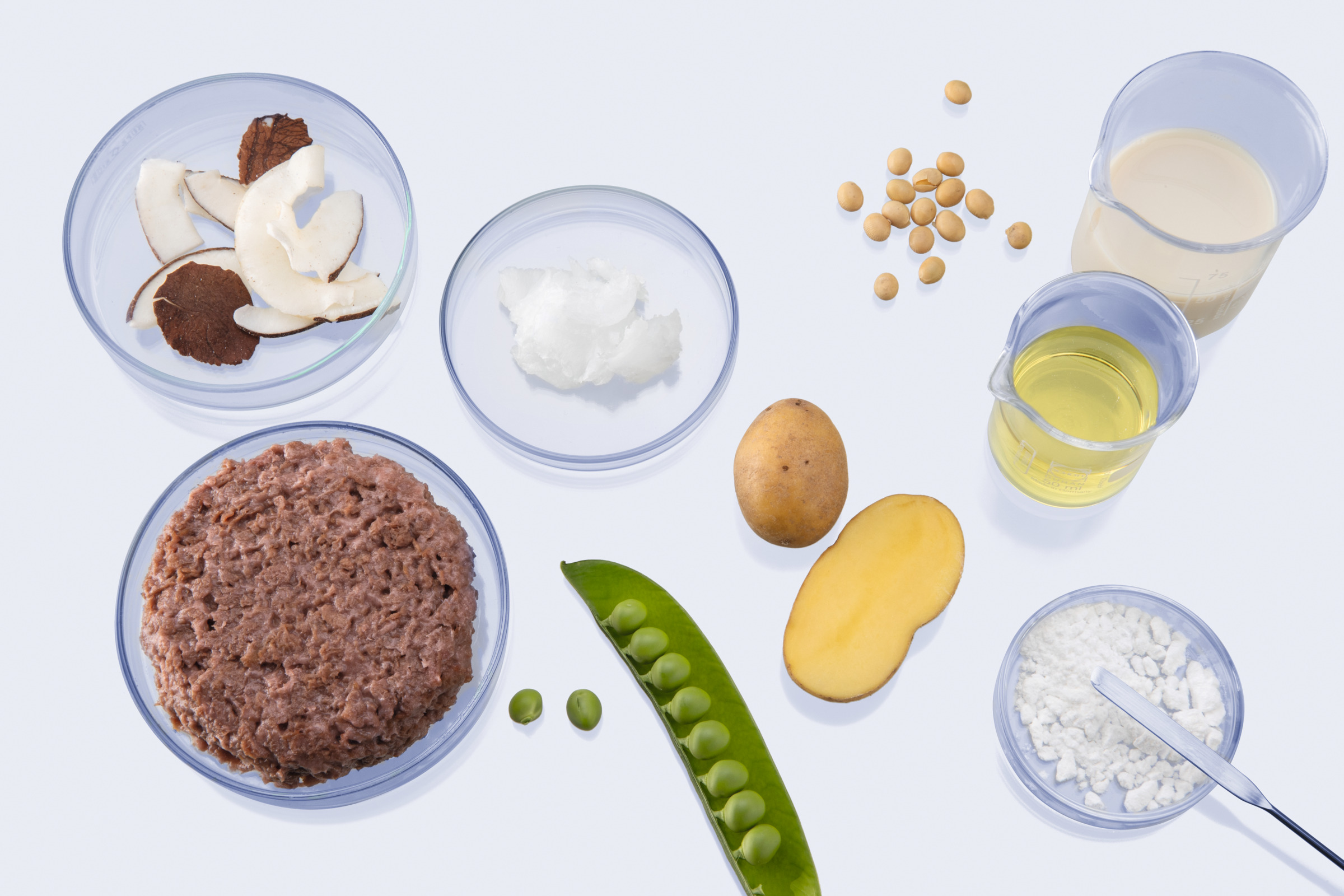
Food laboratories face strict regulatory limits, complex matrices, and high sample volumes. Incomplete digestion can compromise trace element analysis and delay batch release. Microwave digestion ensures fast, complete mineralization of diverse food samples, delivers the lowest blank values (and very low detection limits), and improves reproducibility. Higher throughput and reliable ICP performance support compliance, protect brand integrity, and accelerate time to market.
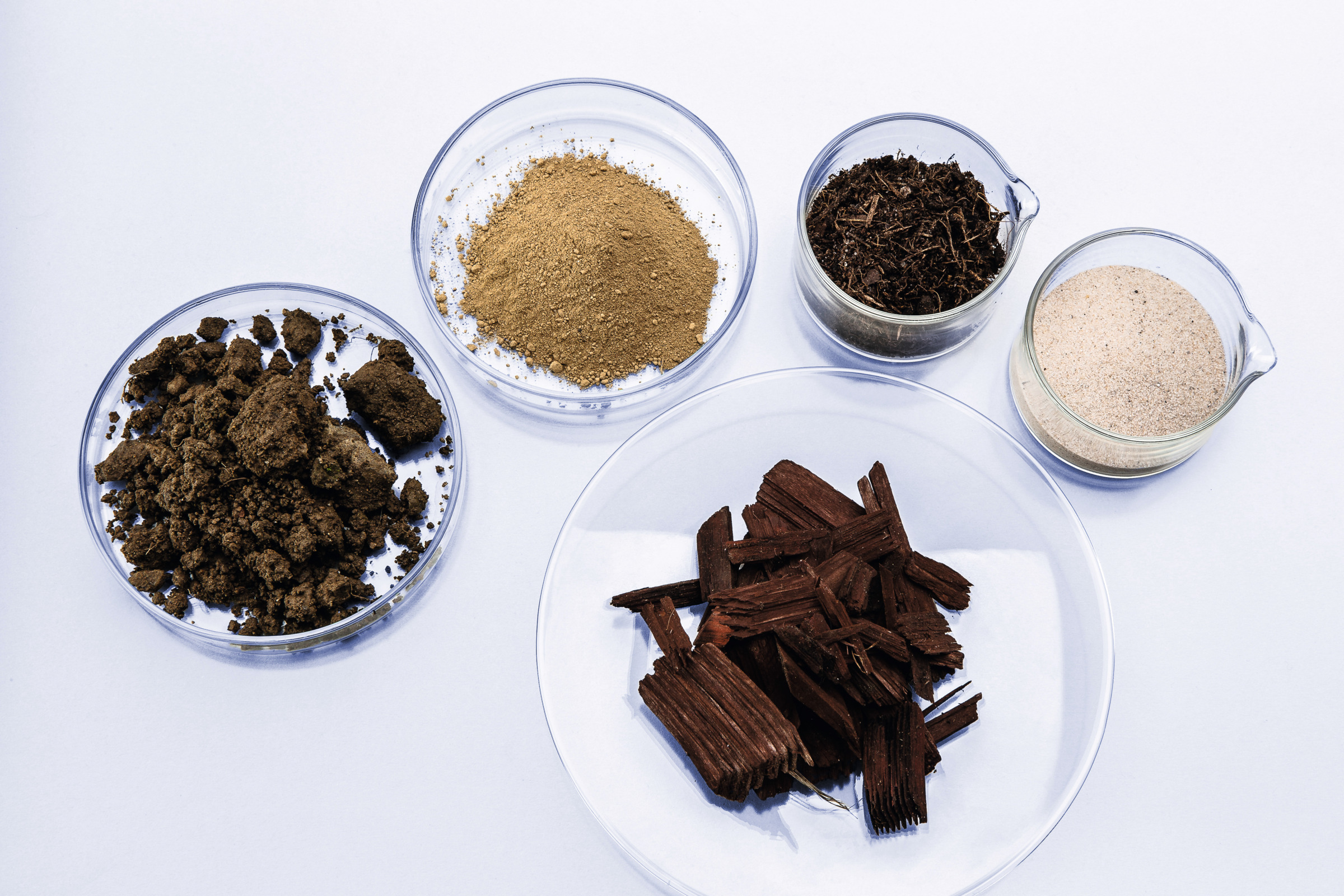
Environmental labs must detect trace elements at very low concentration levels in soil, water, sludge, and waste. Complex matrices and contamination risks can affect LOD and LOQ performance. Closed-vessel microwave digestion minimizes blank values, prevents analyte loss, and ensures complete digestion. The result is higher data quality, improved sensitivity, and compliance with environmental regulations.
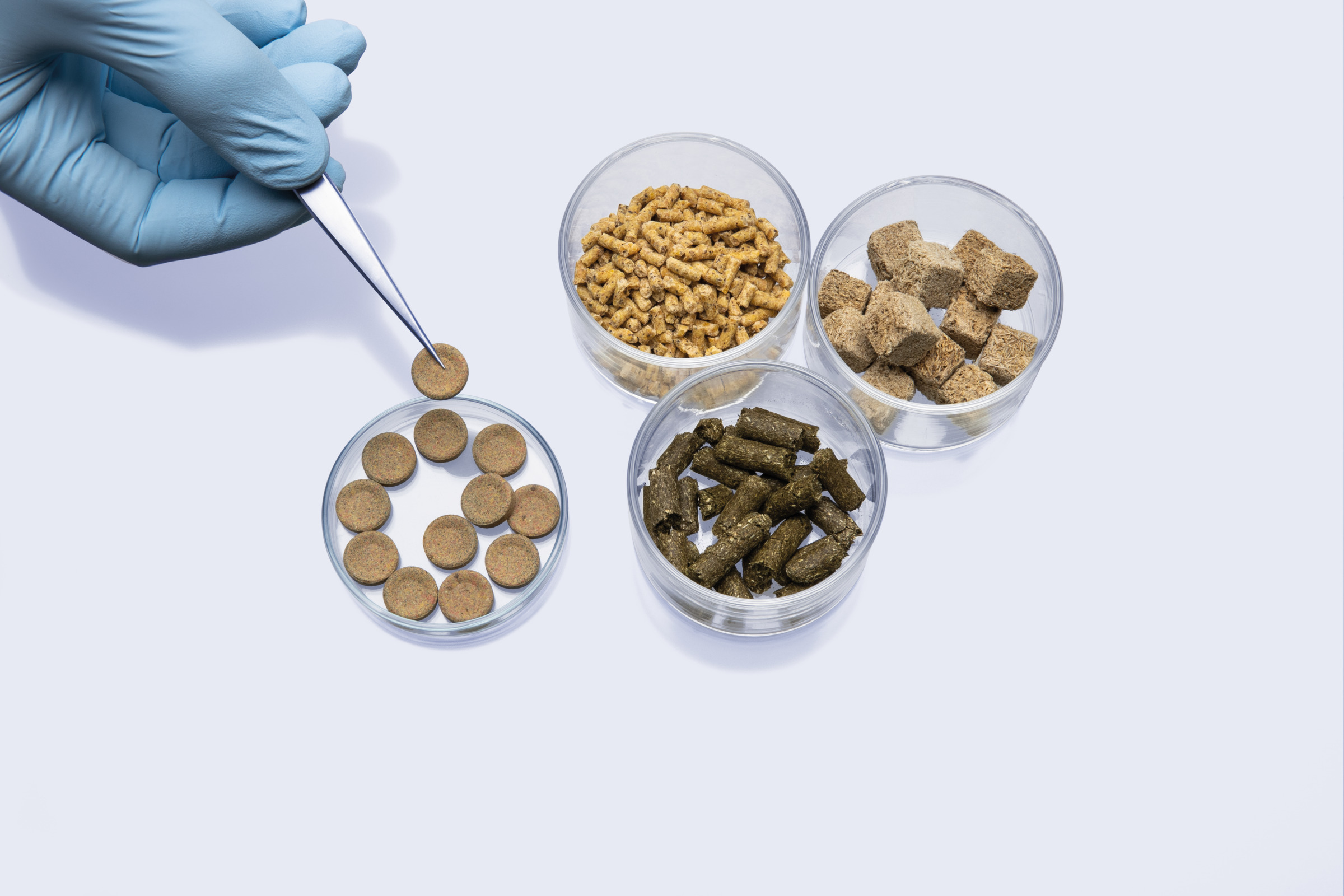
Feed analysis requires accurate determination of minerals and trace elements to ensure animal health and regulatory compliance. However, heterogeneous matrices and high fat content can be challenging for conventional digestion methods. Microwave digestion delivers controlled high-temperature conditions for complete sample breakdown, improving recovery rates and reducing remeasurements. Faster workflows increase laboratory efficiency and ensure consistent feed quality.
Cosmetics and pharmaceuticals: Precision and compliance
Cosmetic and pharmaceutical products require strict impurity control, full regulatory compliance, and complete traceability. Microwave digestion enables controlled high-temperature reactions, ensures complete mineralization, and delivers reproducible results. Improved ICP performance, individual sample documentation for process control, and robust data integrity support compliant workflows and confident batch release.
Reliable digestion for complex environmental samples
EPA 3050B and EPA 3051A are widely used methods for acid digestion of environmental samples prior to elemental analysis. While EPA 3050B relies on open vessel hot block digestion, EPA 3051A uses closed-vessel microwave technology to achieve higher temperatures and controlled conditions.
Parameter
Hot block (EPA 3050B)
Microwave (EPA 3051A)
Advantage
Temperature
95 °C
175 °C
Higher temperature enables more complete digestion, fewer residues, and improved recovery
Heating time
2 h to 6 h
10 min
Clearly defined method endpoint ensures reproducible results, avoids operator-dependent reheating, and reduces overall turnaround time
Sample weight
1 g to 2 g
250 mg to 500 mg
Smaller sample weight reduces matrix effects and improves digestion consistency
Acid consumption
10 mL to 30 mL HNO3 + 3 mL to 10 mL H2O2
10 mL HNO3 or 9 mL HNO3 + 3 mL HCl
Fixed acid volumes and closed conditions reduce blank values and eliminate repeated acid additions, improving consistency and detection limits
Microwave digestion delivers faster, safer, and more reliable sample preparation. Clearly defined methods, controlled conditions, and reduced acid consumption eliminate operator-dependent variability, minimize rework and ensure consistent, high-quality results across all sample types.
Faster and controlled preparation of aqueous samples
Standard Method 3030E, EPA 3010A, and EPA 3015A define standard approaches for preparing aqueous samples for elemental analysis. Traditional hot block methods such as 3030E and 3010A rely on open digestion with manual intervention, whereas 3015A applies microwave technology to enable controlled, high-temperature digestion in closed vessels, ensuring no contamination and no loss of analytes.
Parameter
Hot plate (SM 3030 E)
Hot plate (EPA 3010A)
Microwave (EPA 3015A)
Advantage
Temperature
~ 100 °C
90 °C to 95 °C
170 °C
Elevated temperature improves digestion efficiency and ensures complete element recovery
Heating time
> 2 h
> 2 h
20 min
Short, program-controlled runs significantly reduce time per sample, enabling faster result delivery and more efficient use of lab resources
Sample volume
100 mL
100 mL
22.5 mL
Balanced sample volume supports efficient reactions while maintaining analytical accuracy
Acid consumption
5 mL HNO3
6 mL to 15 mL HNO3 + ~ 2 mL HCl
2.5 mL HNO3 or 2 mL HNO3 + 0.5 mL HCl
Defined reagent amounts avoid manual adjustments and reduce variability between runs
Microwave-based digestion streamlines sample preparation by shortening processing times, improving lab safety through closed systems and delivering consistent, reproducible outcomes. Clearly defined parameters and superior digestion performance bring clarity to laboratory workflows, eliminating questionable results and reducing the need for remeasurements while supporting reliable analytical data across all sample matrices.
Book your demo
Simplify your sample preparation with Multiwave GO Plus.
We use cookies on our website. Some of them are necessary (e.g. for the shopping cart), others help us make our online content better and easier for you over the long term via analysis, external media, and marketing services. We also use third-party cookies from providers in the USA like Google or Facebook if provided with your consent (Art. 49(1)(a) GDPR). Your data may be transferred to the USA which does not have a data protection level comparable to GDPR. In this case your data may potentially be accessed by US Authorities for surveillance purposes and you may not be able to exercise effective legal remedies. You can accept or reject all cookies by clicking on the respective button or define your cookie settings using the link "Customize your cookie settings".
If you reject all cookies, only technically required cookies will be used. You can also withdraw your consent at a later time by accessing the Cookie Settings.
Marketing cookies are used by third parties or publishers to show you personalized advertising. They do this by tracking which websites visitors go to.
Content from video platforms and social media platforms is blocked by default. If you accept cookies from external media, accessing these contents no longer requires giving manual consent.
After being informed of potential risks for my data (including transfer to the USA and potential access by US authorities) in the Cookie Banner and Privacy Policy I accept the cookies from US-providers.