

Starch pasting properties describe how starch granules swell, rupture, and interact under heat and shear – directly affecting viscosity and final product characteristics. From food formulation to industrial processing, understanding these properties is essential for controlling texture, stability, and performance. This page explains the key parameters, measurement methods, and practical relevance of starch pasting behavior. 


Looking for a solution to determine starch pasting properties?

Contact us

What are starch pasting properties?

Starch pasting properties refer to the viscosity changes of starch suspensions during heating, holding, and cooling under defined shear conditions. Unlike simple thermal analysis, pasting behavior reflects how starch performs in real processing environments.
During heating, starch granules absorb water and swell. As temperature increases, they lose structural integrity, releasing amylose and forming a viscous system. Continued heating and mechanical stress can lead to granule breakdown, followed by reorganization during cooling.
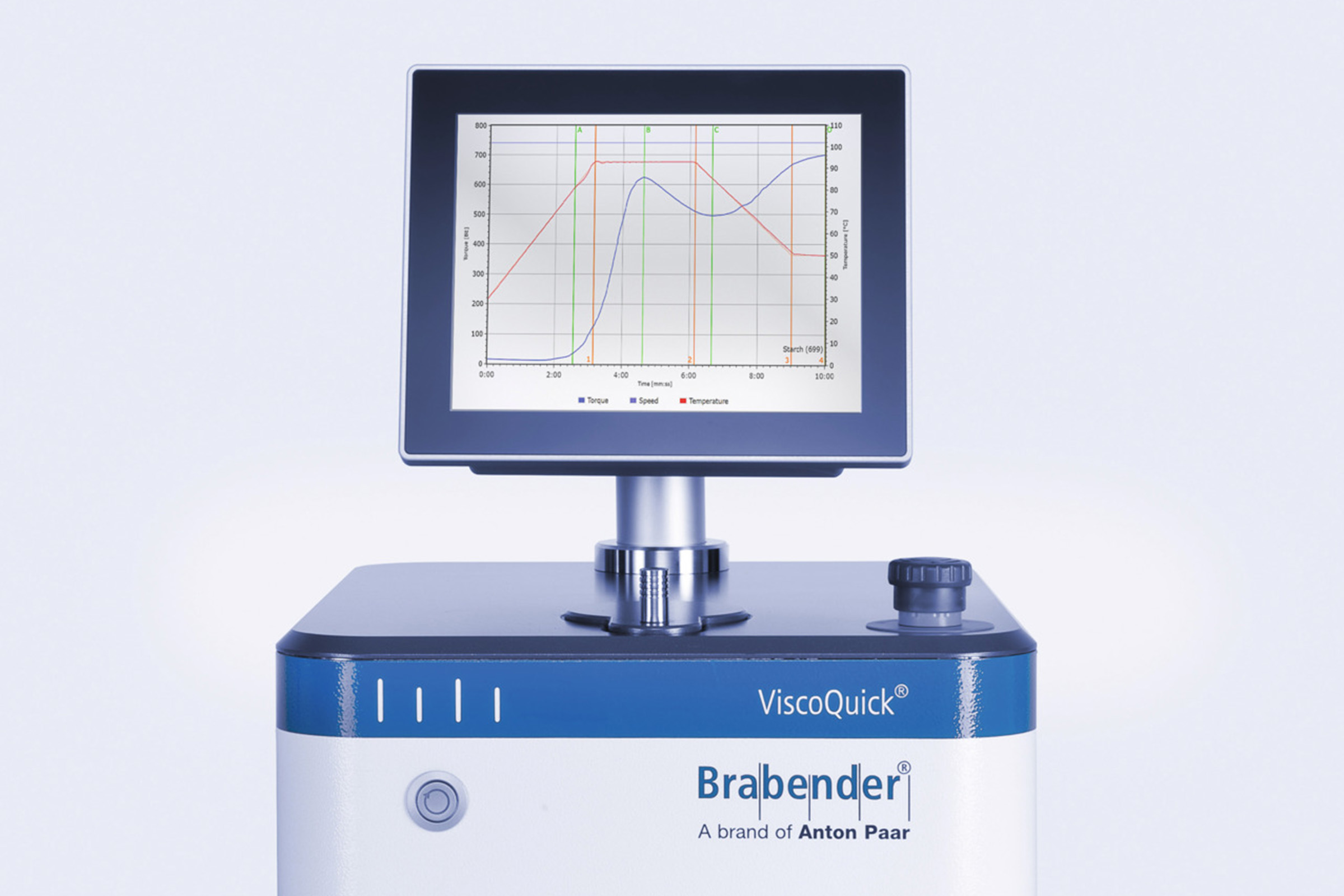
This entire transformation is captured as a pasting curve, which provides a comprehensive fingerprint of starch functionality.
 

Brabender ViscoQuick Starch with touchscreen showing torque and temperature curves on a white background.

Key pasting parameters explained

Understanding starch pasting properties means interpreting several critical parameters:

  • Pasting temperature: The temperature at which viscosity begins to rise, indicating the onset of granule swelling and gelatinization 
  • Peak viscosity: The maximum viscosity reached during heating, reflecting the water-binding capacity and swelling potential of the starch 
  • Breakdown: The decrease in viscosity under heat and shear, indicating the stability of swollen granules during processing
  • Trough (holding strength): The minimum viscosity after breakdown, representing the remaining structural integrity.
  • Setback: The increase in viscosity during cooling, associated with retrogradation and gel formation
  • Final viscosity: The viscosity at the end of the test, relevant for the final product texture

These parameters are essential for predicting how starch behaves in applications such as sauces, bakery products, dairy systems, and biopolymer processing.
 

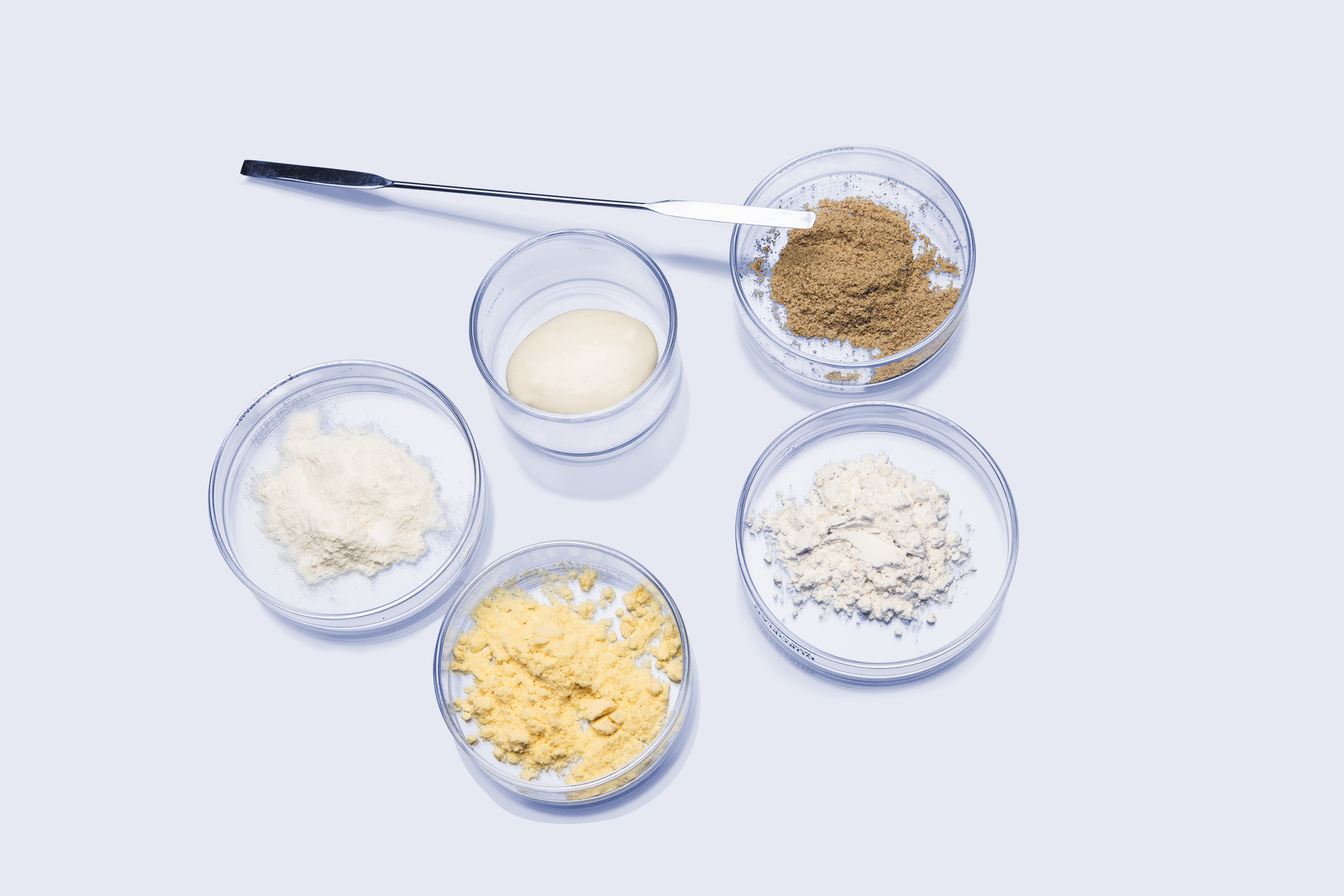
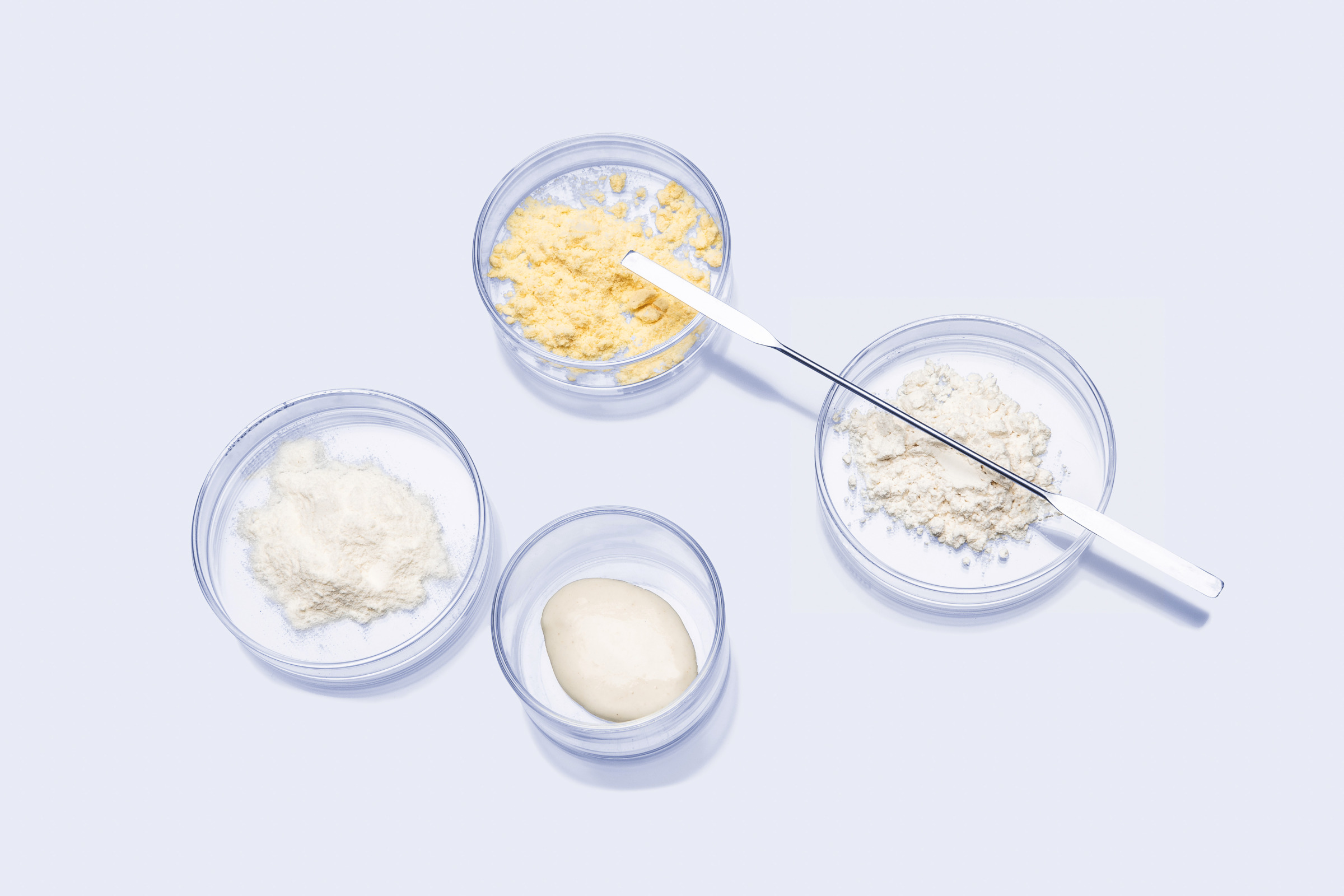
Petri dishes with dough and powder samples arranged with a laboratory spatula on a white surface.

Why starch pasting properties matter

Starch is rarely used in ideal laboratory conditions. Real processes involve heat, shear, and time, all of which influence performance.
Analyzing pasting properties helps to:

  • Optimize texture and mouthfeel 
  • Ensure process stability during heating and mixing 
  • Prevent breakdown or over-thickening 
  • Control gel formation and shelf life 
  • Compare raw materials and modified starches 

In short, pasting analysis connects raw material behavior with final product quality.
 

How are starch pasting properties measured?

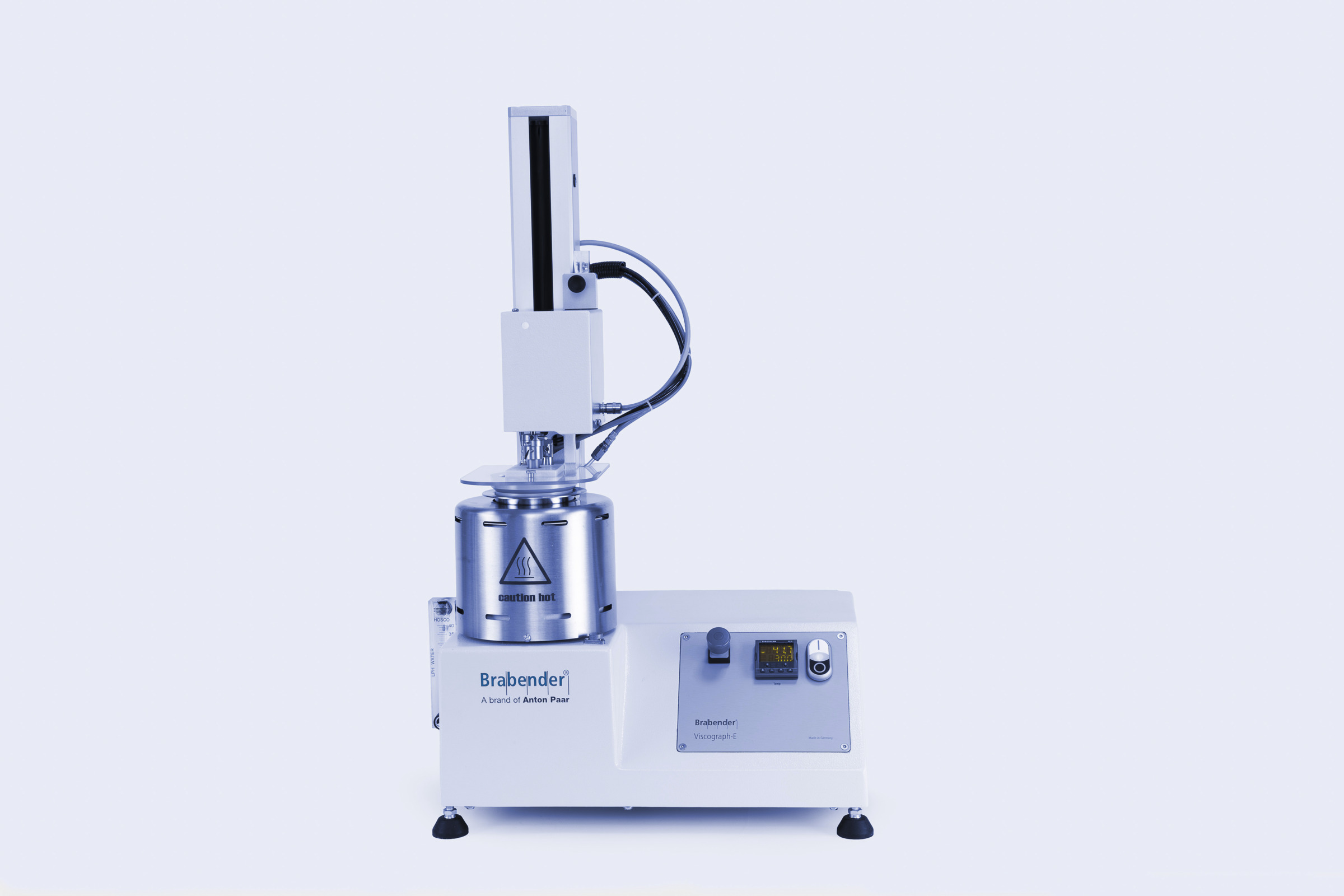
Brabender Viscograph-E with heated measuring vessel and sensor column on a white studio background.

Torque and viscosity-based methods 

Instruments such as the Brabender ViscoQuick or Viscograph-E systems measure viscosity continuously under controlled heating and shear.

These methods simulate real processing conditions and provide:

  • Full pasting curves 
  • High reproducibility 
  • Direct relevance to industrial applications 

They are widely used in food, starch production, and quality control environments.

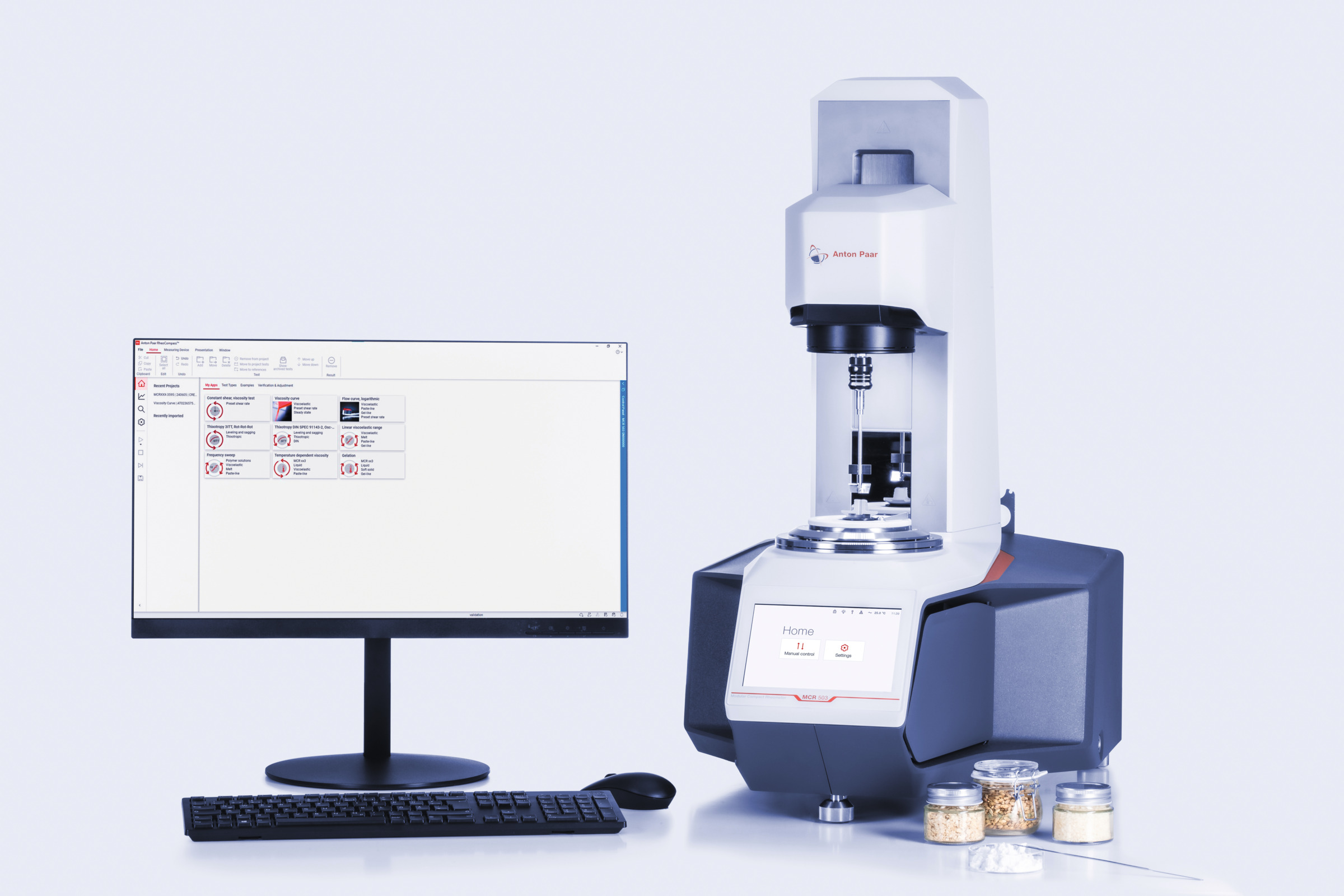
Anton Paar MCR 503 rheometer beside a monitor with RheoCompass software and sample jars on a white surface.

Rotational rheometry 

Advanced rheometers such as the MCR series equipped with a starch cell enable precise control of temperature, shear, and deformation.

This approach allows:

  • Detailed rheological characterization 
  • Measurement under defined shear conditions 
  • Combination of pasting analysis with viscoelastic properties 

It is particularly valuable for research, formulation development, and advanced material characterization.
 

Factors influencing starch pasting behavior

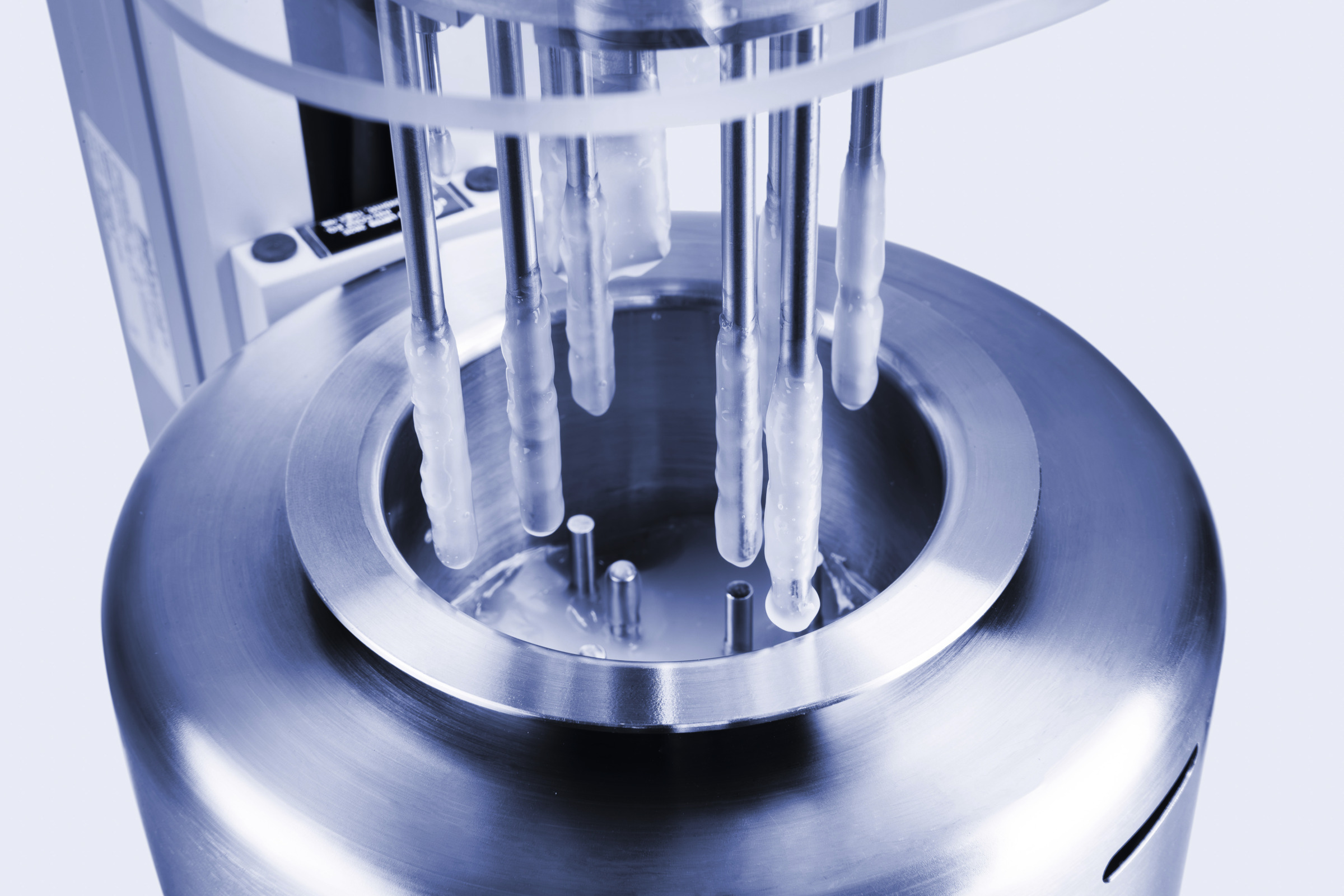
Close-up of measuring pins inside the metal vessel of a Brabender Viscograph-E.

Starch pasting properties are highly sensitive to multiple variables:

  • Origin (e.g., corn, wheat, potato, rice) 
  • Amylose-to-amylopectin ratio 
  • Water availability 
  • Heating rate and shear conditions 
  • Additives such as sugar, lipids, or salts 
  • Chemical or physical modification of starch[MM1.1][DK1.2] 
  • Particle size 
  • Moisture content
  • Degree of amylopectin branching
  • Molecular chain length

Understanding these influences is essential for consistent results and reliable product development.

Key takeaway

Starch pasting properties are more than just viscosity data. They provide a direct link between material structure, processing conditions, and product performance.
By combining established methods such as Brabender systems with advanced rheological tools like the MCR with a starch cell, it is possible to achieve both process-relevant insights and detailed material understanding.

Find out more about solutions to determine starch pasting properties here: