Discover cutting-edge techniques for cement analysis to ensure superior product quality, compliance, and process efficiency. From microwave digestion for ICP analysis of materials like limestone, clay, marl, and fly ash to particle size and shape analysis for flowability and water demand, our tools deliver precise insights.
Advanced methods such as X-ray powder diffraction, rheological testing, and nanoindentation provide tailored solutions for the analysis of additives, hardening behavior, and mechanical properties. Whether optimizing high-performance cement or ensuring environmental compliance, our instruments guarantee reliable results.
Must-read e-book: “A Practical Guide for Great Building Materials”
Unlock the secrets to superior building material quality and performance with Anton Paar's expert e-book, which includes key components such as cement, concrete, metals, glass, and more. Packed with real measurement data, this guide explains how to analyze and optimize key properties, from particle size and phase composition to additive analysis, rheological behavior, and mechanical characterization. Gain the knowledge to enhance product quality, meet environmental standards, and stay ahead in the construction industry.
QC of cement using particle size and shape analysis
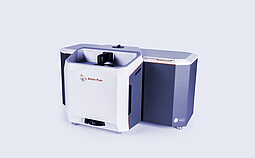
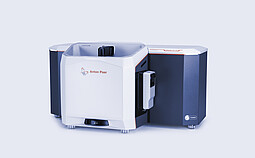
Perform particle size and shape analysis of cement particles to understand the flowability and water demand properties of the final product. The techniques of choice are either laser diffraction or dynamic image analysis depending on the data and requirements relating to the preferred tool for quality control.
Identification of phase composition in cement with X-ray diffraction
XRD is the go-to method for information about the microstructure and characteristic crystalline phases that originate from the clinker and cement manufacturing processes. Using Rietveld refinement allows the calculation of corresponding phase concentrations, and identification and quantification of both the crystalline and amorphous phases, at the desired data quality level.
Microwave digestion facilitates ICP analysis of cement-related materials like limestone, clay, marl, secondary fuels, fly ashes and final products, ensuring effective digestion of complex samples. It supports compliance with environmental regulations and improves process quality.
The MCR rheometer analyzes flow curves to compare additives and simulate stirring methods, ensuring cost-effective solutions and on-site workability. The Anton Paar Powder Flow Cell enables fast, reliable characterization of cement and fly ash, supporting precise material adjustments for construction needs.
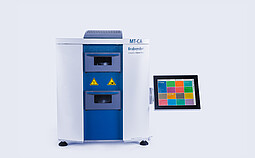
Moisture content directly affects the consistency, strength, and workability of cement. High levels of moisture indicate improper storage, which can cause caking or hardening. High cement quality can be ensured using automated drying ovens offered by the moisture analyzer Brabender MT-CA.
Characterization of the mechanical properties of cement
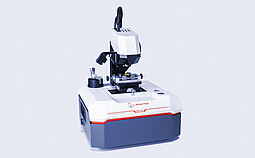
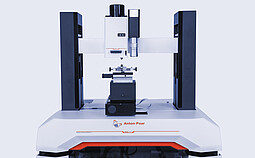
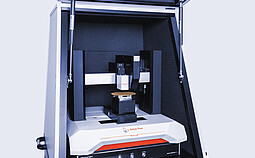
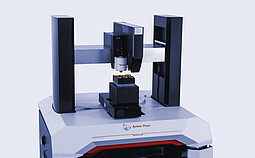
Optimizing cement's mechanical properties is crucial for durability and performance. Anton Paar indentation testers measure hardness across phases, comparing compositions reaching enhanced structural resilience. The nanoindentation system with a humidity chamber assesses the effects of relative humidity on hardness and elastic modulus, ensuring integrity under varying conditions. The indentation tester also monitors cement hardening, providing precise strength evolution data through repeated measurements.
We use cookies on our website. Some of them are necessary (e.g. for the shopping cart), others help us make our online content better and easier for you over the long term via analysis, external media, and marketing services. We also use third-party cookies from providers in the USA like Google or Facebook if provided with your consent (Art. 49(1)(a) GDPR). Your data may be transferred to the USA which does not have a data protection level comparable to GDPR. In this case your data may potentially be accessed by US Authorities for surveillance purposes and you may not be able to exercise effective legal remedies. You can accept or reject all cookies by clicking on the respective button or define your cookie settings using the link "Customize your cookie settings".
If you reject all cookies, only technically required cookies will be used. You can also withdraw your consent at a later time by accessing the Cookie Settings.
Marketing cookies are used by third parties or publishers to show you personalized advertising. They do this by tracking which websites visitors go to.
Content from video platforms and social media platforms is blocked by default. If you accept cookies from external media, accessing these contents no longer requires giving manual consent.
After being informed of potential risks for my data (including transfer to the USA and potential access by US authorities) in the Cookie Banner and Privacy Policy I accept the cookies from US-providers.