Struggling with material inconsistencies, inefficiencies, or sustainability challenges? Discover how our advanced polymer processing solutions optimize workflows and enhance product quality.
Plastics are essential in industries like automotive, healthcare, and packaging due to their versatility and durability. However, sustainability concerns drive innovation. To reduce waste and improve recyclability, companies rely on plastics analytics to optimize materials, refine processes, and ensure product quality – enhancing efficiency and sustainability.
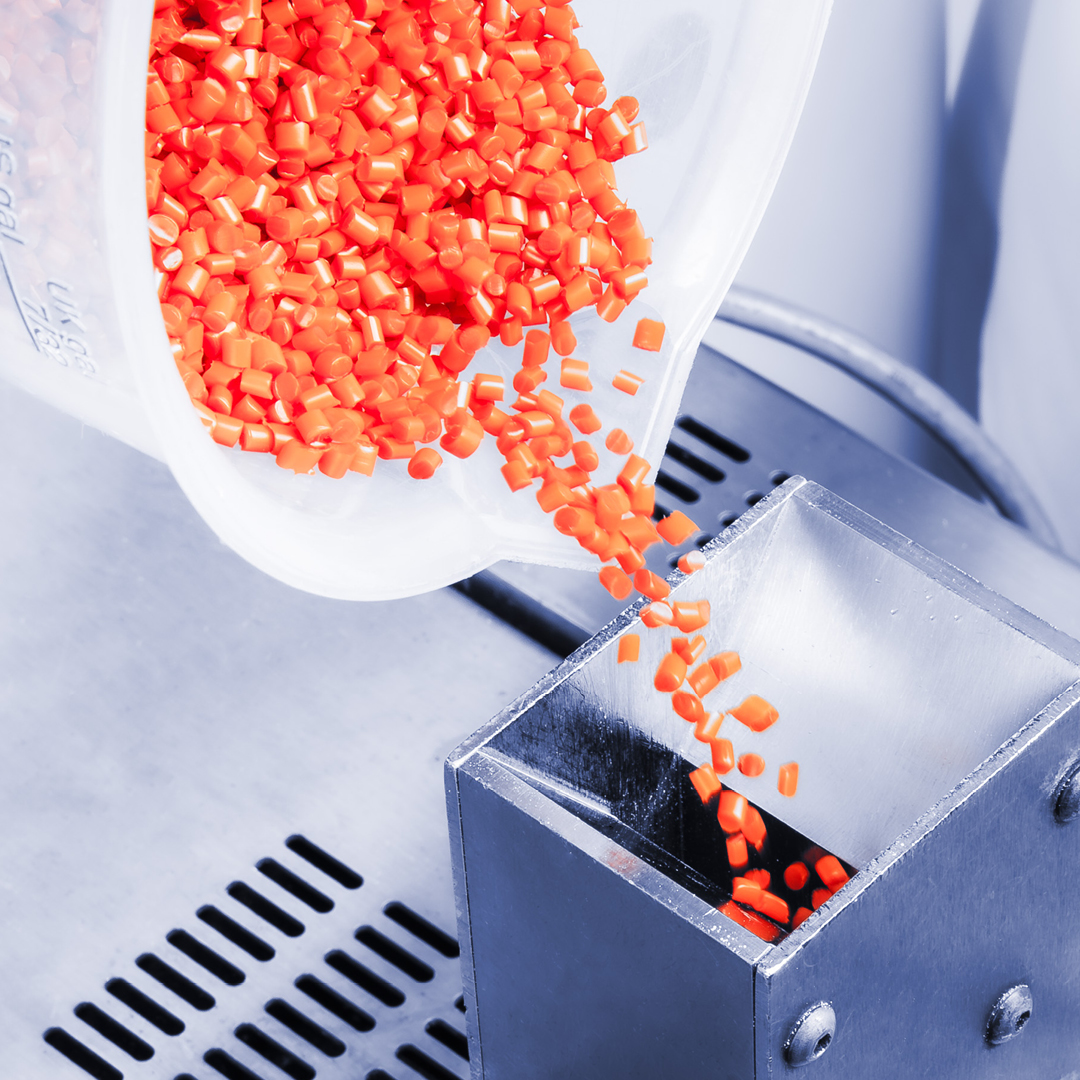
Key methods in polymer processing and mass processing in plastics technology include injection molding, extrusion, blow molding, thermoforming, rotational molding, and 3D printing.
This page and our e-book focus on flat film extrusion, covering the following process steps:
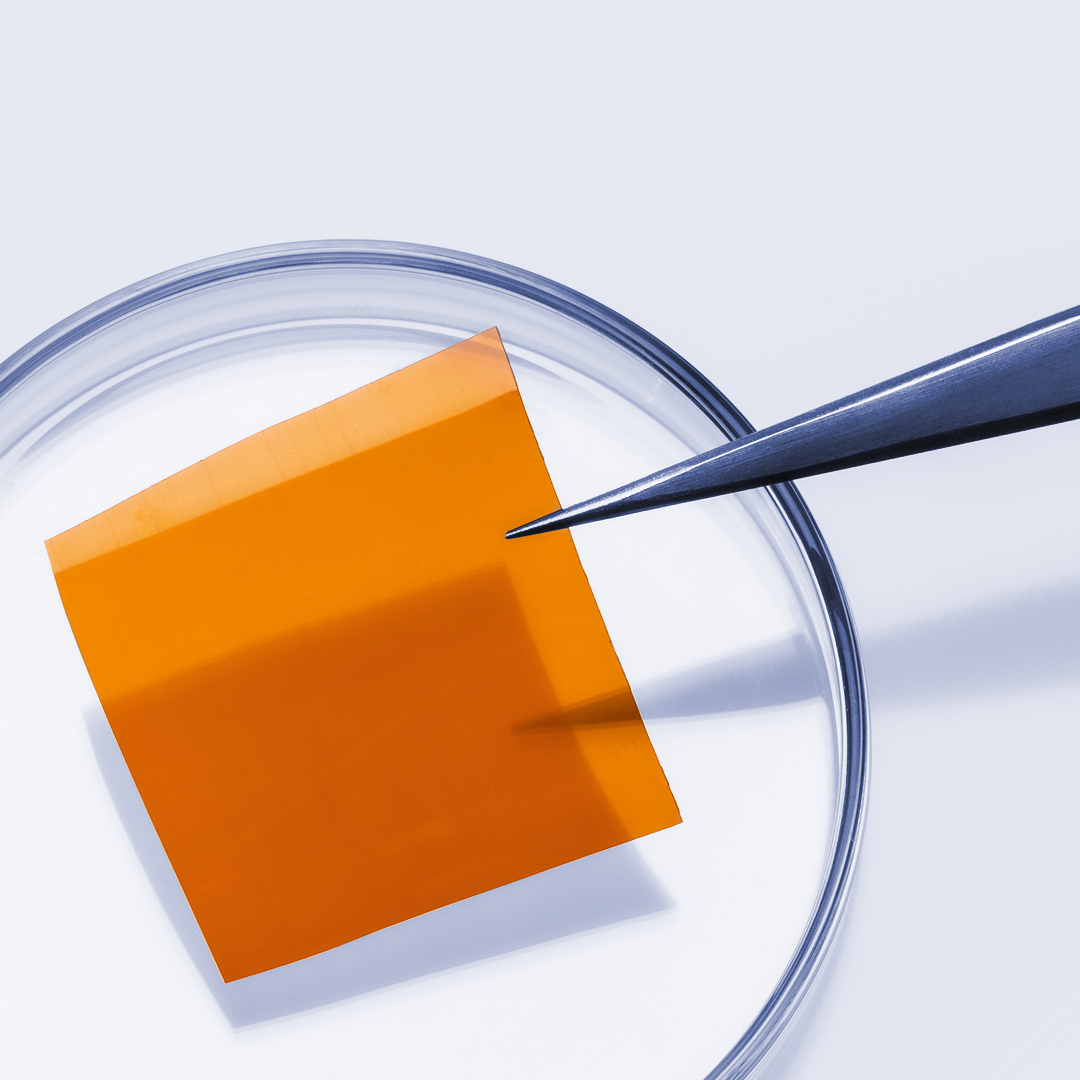
Plastic film extrusion is a highly complex polymer processing method that requires precise process control, extensive material knowledge, and cutting-edge technology. The selection of the polymer alone significantly affects the final properties of the film. To achieve the desired mechanical, optical, and barrier properties, it is essential to consider aspects such as viscosity, melting behavior, and the use of additives. The extrusion process itself involves precise temperature and pressure control, ensuring uniform film thickness and structural integrity.
Anton Paar’s extensive instrument portfolio seamlessly combines polymer processing technology with plastics analytics, all available from one source. It covers processes from mixing, single-screw extrusion, twin-screw extrusion, to FTIR and Raman spectroscopy, moisture analysis, rheometry, microwave digestion, nanoindentation, zeta potential analysis, gas pycnometry, and viscometry.
Download your free e-book on polymer processing
Your comprehensive guide through the polymer production process of plastic film extrusion, combined with analysis techniques used alongside this process to maximize material performance. This e-book offers production insights and real measurement data and explains how manufacturers enhance efficiency while improving their product’s quality.
Polymer Processing Solutions: Optimizing Every Step
Modern polymer processing is a highly intricate, multi-step workflow that requires precise control at every stage — from raw material selection to final product testing. Variability in polymers, additives, processing conditions, and quality requirements presents significant challenges for manufacturers. Even minor deviations can lead to material waste, production inefficiencies, and costly product defects.
Anton Paar offers comprehensive solutions that integrate seamlessly into every stage of polymer processing, ensuring optimal material performance, enhanced process efficiency, and improved product quality.
Below, we explore key processing challenges and the solutions that empower polymer manufacturers to achieve superior results.
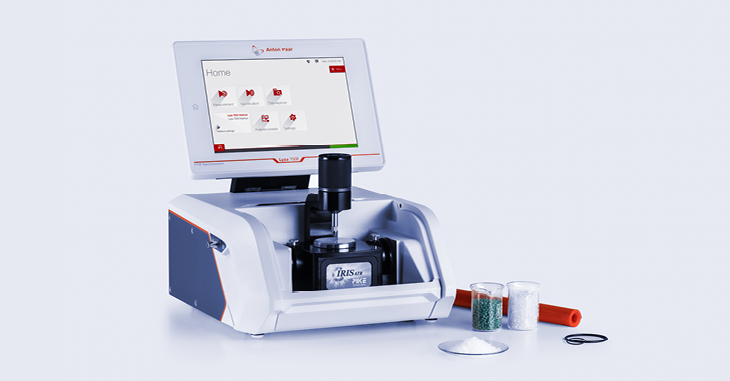
Lyza 7000: The Powerful FTIR Spectrometer
Power up your polymer analysis. Perform quick, reliable quality control. Here’s a spectrometer that has transformed industry standards.
Ensure Consistent Quality Standards for Raw Materials
Challenge:
Variability in raw materials can lead to inconsistent processing, product defects, and increased waste levels. Contaminants, moisture content, and fluctuations in polymer composition can alter processing conditions, ultimately impacting mechanical properties and overall product quality.
Solution:
Ensure raw material quality and consistency through advanced polymer analysis.
Methods and Instrumentation:
Material Identification & Purity Analysis: Quickly verify polymer identity, crystal structure and detect contamination.
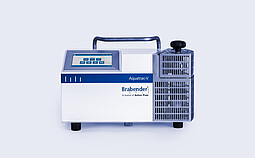
This powerful combination directly addresses the two most critical challenges in maintaining consistent quality standards for raw materials – moisture control and material purity – ensuring stable processing, consistent product quality, and reduced waste. Aquatrac-V eliminates moisture-related defects at the source, while Lyza 7000 ensures precise chemical composition with advanced FTIR analysis, giving you complete confidence in your raw materials.
The development of an optimized polymer formulation requires careful balancing of polymer blends, additives, and fillers. Inaccurate formulations can lead to processing difficulties, material waste, and suboptimal product performance.
Solution:
Achieve precise formulation control and repeatability.
Methods and Instrumentation:
Small-Scale Batch Testing: Enables reproducible formulation development under controlled conditions.
This powerful combination tackles the two key challenges in polymer formulation – material consistency and process optimization – ensuring stable production and reliable performance. Laboratory mixers enable precise blending, twin-screw extrusion with viscometry simulates real processing conditions, and rheometry fine-tunes formulations for consistency. Together, they streamline development, enhance efficiency, and accelerate time-to-market.
Compounding & Extrusion: Optimizing Material Processing
Challenge:
Ensuring homogeneous blending of polymers, additives, and fillers is critical for producing materials with consistent properties. Any variability in the extrusion process can lead to mechanical failure, inconsistent textures, or defects, if not detected on time by suitable analytics.
Solution:
Optimize material properties through real-time monitoring and process adjustments.
Methods and Instrumentation:
Material Blending & Extrusion: Ensures uniform dispersion of polymers, additives, and fillers during processing.
This powerful combination ensures precise polymer blending and real-time composition control – key to achieving consistent material properties and regulatory compliance. Accurate dosing and mixing prevent quality issues, while in-situ Raman spectroscopy enables real-time quantification, minimizing reliance on offline analysis. Together, they shorten development cycles, allow immediate adjustments, and streamline process optimization.
Achieving consistent film thickness, transparency, and mechanical strength is critical to meet industry requirements. Insufficient control can result in variable material properties, increased waste, and compromised performance.
Solution:
Maintain film quality and process stability.
Methods and Instrumentation:
Material Melting & Shaping: Ensures optimal extrusion conditions for film production.
This powerful combination delivers real-time insights into both mechanical and chemical properties, ensuring precise control over melting, crystallization, and material behavior. By integrating rheometry and Raman spectroscopy, you gain a complete picture of polymer transformations under real processing conditions. This accelerates development, enhances quality control, and enables data-driven decision-making – minimizing trial-and-error and optimizing material performance.
Ensuring that finished plastic films comply with industry standards for mechanical durability, optical clarity, and chemical resistance requires precise characterization methods.
Solution:
Implement advanced testing methods for precise quality control:
Methods and Instrumentation:
Material authentication and consistency: Verifies polymer composition and purity
This powerful combination provides critical insights into surface chemistry and mechanical integrity, ensuring high-performance polymer films and advanced materials. Zeta potential analysis optimizes surface modifications, while nanoindentation testing evaluates hardness and durability at the micro- and nanoscale. Together, they enhance material characterization, improve reliability, and support advanced manufacturing processes.
Sample preparation for Impurity Detection & Process Optimization: Identifies and quantifies contamination levels in recycled polymers, enabling better process control
Achieve optimal polymer processing through comprehensive material insights. Visit our Polymer Characterization page to learn how expert testing drives superior outcomes.
Importance of polymer processing across industries
Polymer processing is fundamental to modern manufacturing, enabling industries such as automotive, healthcare, packaging, construction, and consumer goods to produce innovative and high-performance products. The process transforms raw plastic materials into functional items through specialized techniques.
Why plastics?
Plastics deliver unparalleled versatility, lightweight durability, and cost-efficiency, making them indispensable across various applications:
Automotive: Lightweight polymers help reduce fuel consumption and enhance vehicle safety
Healthcare: Biocompatible plastics are essential for medical tubing, implants, and sterile packaging
Packaging: Flexible films and rigid containers are crucial for food preservation and product protection
Construction: Weather-resistant plastics improve the performance of piping, insulation, and structural materials
Consumer Goods: High-performance plastics are key components in electronics, sports equipment, and home appliances
However, rising sustainability concerns and stricter regulatory requirements are reshaping the industry. To meet evolving environmental standards and customer demands, companies must innovate in plastic formulation, processing, and recycling.
Thermoplastics vs. thermosets: Understanding the material landscape
Distinct plastic types fulfill specialized roles across various industries:
Plastic type
Properties
Common applications
Polyethylene (PE)
Flexible, moisture-resistant
Plastic bags, bottles, film wraps
Polypropylene (PP)
Chemical-resistant, durable
Automotive parts, medical devices, food containers
Polyvinyl Chloride (PVC)
Rigid or flexible, weather-resistant
Pipes, medical tubing, window frames
Polystyrene (PS)
Lightweight, insulating
Packaging foam, disposable cups, insulation
Polyethylene Terephthalate (PET)
Transparent, strong
Beverage bottles, food packaging, textiles
Epoxy Resins (Thermoset)
Strong, heat-resistant
Aerospace components, adhesives, coatings
Polyurethane (PU) (Thermoset)
Elastic, shock-absorbing
Foam insulation, furniture, footwear
Industry challenges and the need for precision processing
Different polymer types demand tailored processing conditions to achieve the desired mechanical, optical, and barrier properties. Factors such as viscosity, melting behavior, and precise additive control significantly impact the final product’s performance.
To ensure optimal processing conditions and product consistency, manufacturers depend on advanced analytical techniques for accurate measurement and control.
Sustainability and regulatory challenges in polymer processing
The plastics industry is confronted with growing challenges in waste management, energy efficiency, and regulatory compliance. Recycling initiatives and energy-saving technologies promote a circular economy, while stricter global regulations demand more sustainable practices.
In this context, plastic analytics plays a crucial role in optimizing material selection, processing, and quality control – enabling manufacturers to efficiently meet both sustainability goals and regulatory standards.
Optimizing polymer processing with advanced analytics
Manufacturers face numerous challenges in polymer selection, process control, and final product quality. Anton Paar addresses these challenges with cutting-edge measurement solutions that:
Precisely characterize raw materials to ensure consistency and purity
Optimize formulation and processing conditions through real-time data insights
Enhance quality control to comply with industry standards and regulatory requirements
Improve sustainability by evaluating recyclability and material efficiency
From laboratory research to industrial production, Anton Paar offers the tools necessary for a seamless polymer processing workflow.
Polymer processing FAQ
Which process bonds monomers into polymers?
Polymerization is the process that bonds monomers into polymers, typically through addition or condensation reactions.
Polymerization is the chemical process where small molecules (monomers) link together to form long polymer chains. This can occur through two primary mechanisms: addition polymerization, where monomers combine without generating byproducts, or condensation polymerization, which releases small molecules such as water. This reaction is fundamental for producing plastics like polyethylene (PE), polypropylene (PP), and polyvinyl chloride (PVC).
Which process breaks polymers into monomers?
Depolymerization or chemical recycling breaks polymers down into their monomer components.
Depolymerization is the reverse of polymerization, breaking long polymer chains back into their original monomers. This can occur through chemical recycling, pyrolysis, or enzymatic breakdown. It plays a crucial role in plastic recycling and sustainable material recovery by enabling the reuse of monomers in new polymer production.
What is polymer processing?
Polymer processing refers to the techniques used to shape and form polymers into final products, including extrusion, injection molding, and thermoforming.
Polymer processing includes various manufacturing methods that transform raw polymers into functional materials and products. Common techniques include extrusion for films and pipes, injection molding for complex shapes, and blow molding for hollow containers. Controlling viscosity, temperature, and pressure is essential for ensuring material consistency and product quality across industries like automotive, healthcare, and packaging.
Contact us today to benefit from cutting-edge polymer analytics that drive precision, efficiency, and sustainable outcomes.
We use cookies on our website. Some of them are necessary (e.g. for the shopping cart), others help us make our online content better and easier for you over the long term via analysis, external media, and marketing services. We also use third-party cookies from providers in the USA like Google or Facebook if provided with your consent (Art. 49(1)(a) GDPR). Your data may be transferred to the USA which does not have a data protection level comparable to GDPR. In this case your data may potentially be accessed by US Authorities for surveillance purposes and you may not be able to exercise effective legal remedies. You can accept or reject all cookies by clicking on the respective button or define your cookie settings using the link "Customize your cookie settings".
If you reject all cookies, only technically required cookies will be used. You can also withdraw your consent at a later time by accessing the Cookie Settings.
Marketing cookies are used by third parties or publishers to show you personalized advertising. They do this by tracking which websites visitors go to.
Content from video platforms and social media platforms is blocked by default. If you accept cookies from external media, accessing these contents no longer requires giving manual consent.
After being informed of potential risks for my data (including transfer to the USA and potential access by US authorities) in the Cookie Banner and Privacy Policy I accept the cookies from US-providers.
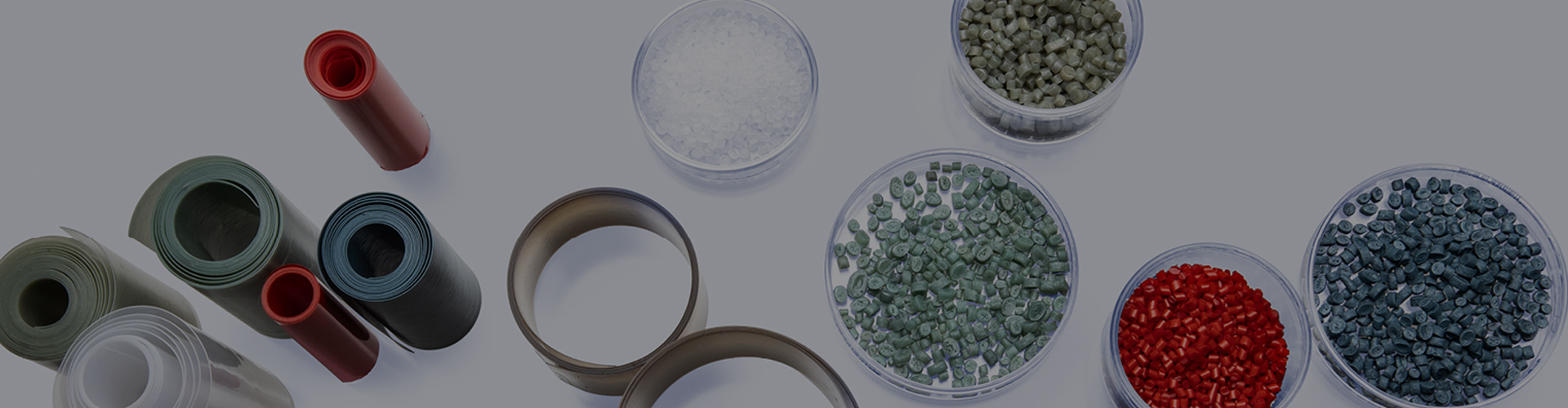
 Your comprehensive guide through the polymer production process of plastic film extrusion, combined with analysis techniques used alongside this process to maximize material performance. This e-book offers production insights and real measurement data and explains how manufacturers enhance efficiency while improving their product’s quality.