Diesel hydrometers provide a traditional, standards-based method for checking diesel fuel density for specification verification and routine quality control. Under ASTM D1298, results may be reported as density, relative density (specific gravity), or API gravity; ASTM D287 reports API gravity directly. While hydrometers work well for quick field checks, the method is manual and depends on meniscus reading, temperature measurement, and correction to reference conditions. For this reason, many operations also use handheld digital density meters to reduce operator influence, speed up results, and improve traceability while retaining familiar reporting units.


Explore DMA 35

What is a diesel hydrometer?

A diesel hydrometer is a calibrated glass float used to measure the density, specific gravity, or API gravity of diesel fuel at the observed temperature in a glass cylinder. The measured value is then corrected to the reference temperature (15 °C or 60 °F) using ASTM D1250, typically by consulting API Table 53B for diesel fuel. Diesel fuel density measurements are described in ASTM test methods D1298 and D287. The hydrometer is primarily used for quick field measurements and routine checks of fuel quality and specification compliance.

How to measure diesel with a hydrometer

To measure diesel density with a hydrometer, follow ASTM D1298 or ASTM D287. Use a clean glass cylinder and a representative sample, and always record the observed temperature. Choose the correct hydrometer range, lower it gently so it floats freely, and allow the sample to stabilize. Remove air bubbles with a gentle spin, read at eye level at the meniscus, and record the value, temperature, and method for correction and reporting.
 

Temperature correction and reporting

Because diesel density varies with temperature, hydrometer results are corrected to a reference temperature for comparison. After recording the observed value and temperature, convert to 15 °C and/or 60 °F using ASTM D1250 / API MPMS Chapter 11.1 tables. For audit-ready results, report the property measured, reference temperature, test method (ASTM D1298 or D287), observed temperature, and sample ID as needed.

Common errors and how to avoid them

Most variability in diesel hydrometer testing comes from technique, temperature control, equipment condition, and reporting errors. Parallax and meniscus errors occur if readings aren’t taken at eye level or before the surface settles. Air bubbles can bias results, so use clean glassware and gently spin the hydrometer. Make sure it floats freely, is clean, and matches the diesel range. Unstable temperature can invalidate readings and corrections. Many issues are reporting-related, so always document the test method, temperature, correction basis, and reported property.

Diesel fuel density: Why it matters

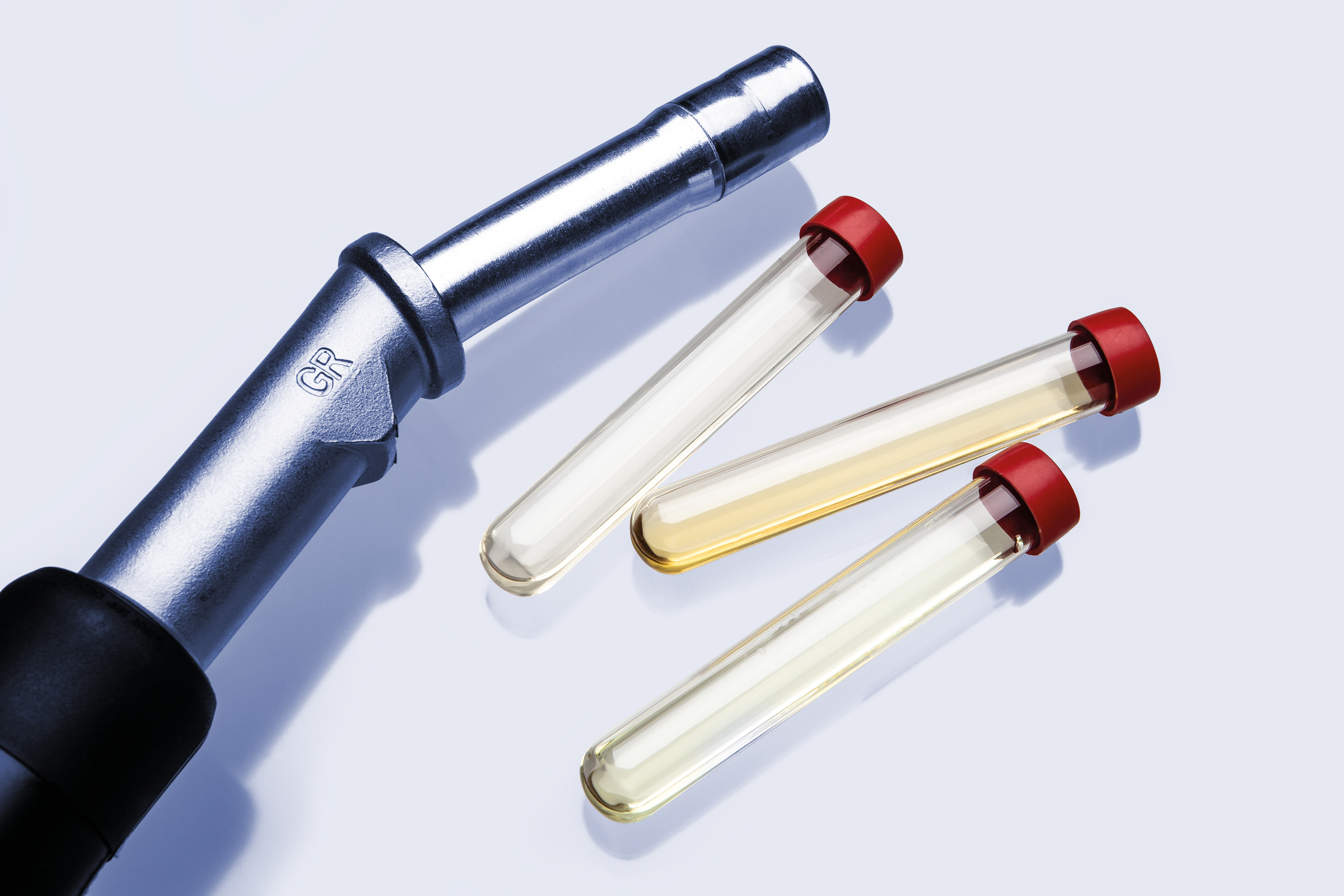
Diesel density is the fuel’s mass-per-unit volume and is typically reported in kg/m³ at 15 °C (or as API gravity). Because diesel expands and contracts with temperature, diesel hydrometer results should be measured at the reference condition or corrected to it using ASTM D1250 / API MPMS Chapter 11 tables to ensure values are comparable and specification decisions are consistent.

Diesel density is a key quality parameter for verifying product identity, consistency, and compliance. ASTM D975 defines multiple diesel grades and related density requirements by agreement. Density is commonly measured using ASTM D1298 (hydrometer) or ASTM D4052 (oscillating U-tube), typically at delivery. Density correlates with energy content, so off-spec values can affect engine performance and fuel economy. It is also used to detect contamination or blending issues. Correcting to a reference temperature and documenting the method ensures comparable results across sites.

Why rely on hydrometers?

Many operations still rely on hydrometers for routine diesel density checks because they offer a cost-effective, rugged solution with broad acceptance under industry standards.

Advantages vs. handheld digital meters 
(e.g., DMA 35 Ex Petrol, ASTM D7777)

  • Low cost; easy to deploy across sites and replace
  • No batteries or power required
  • Fully aligns with SOPs or contracts specifying ASTM D1298 or D287
     

Disadvantages

  • Lower precision and repeatability; operator-dependent readings
  • Manual temperature correction adds time and error risk
  • Fragile glass, slower workflow, limited data capture
  • Larger open sample volume increases operator exposure

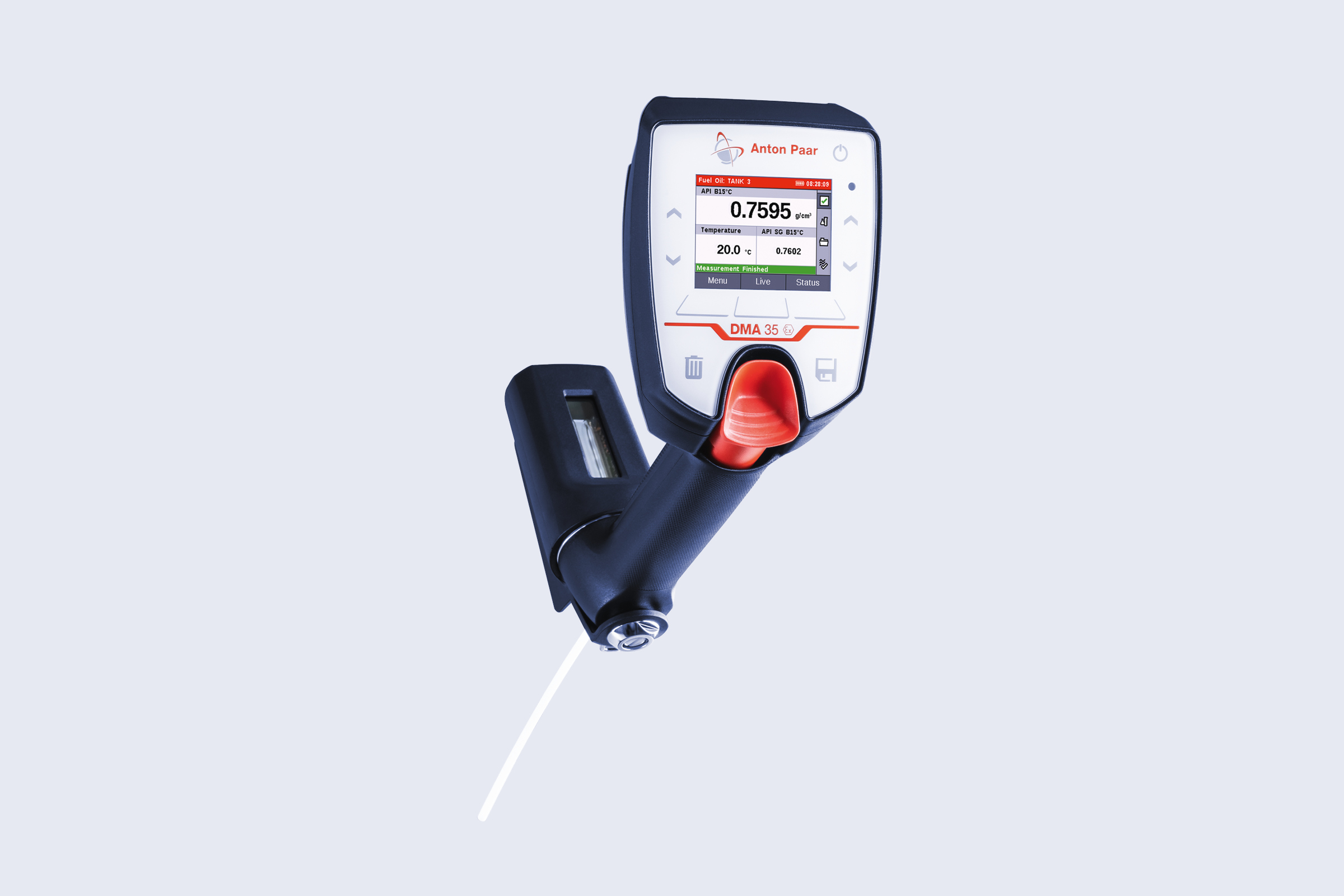
A better alternative: The DMA 35 digital density meter

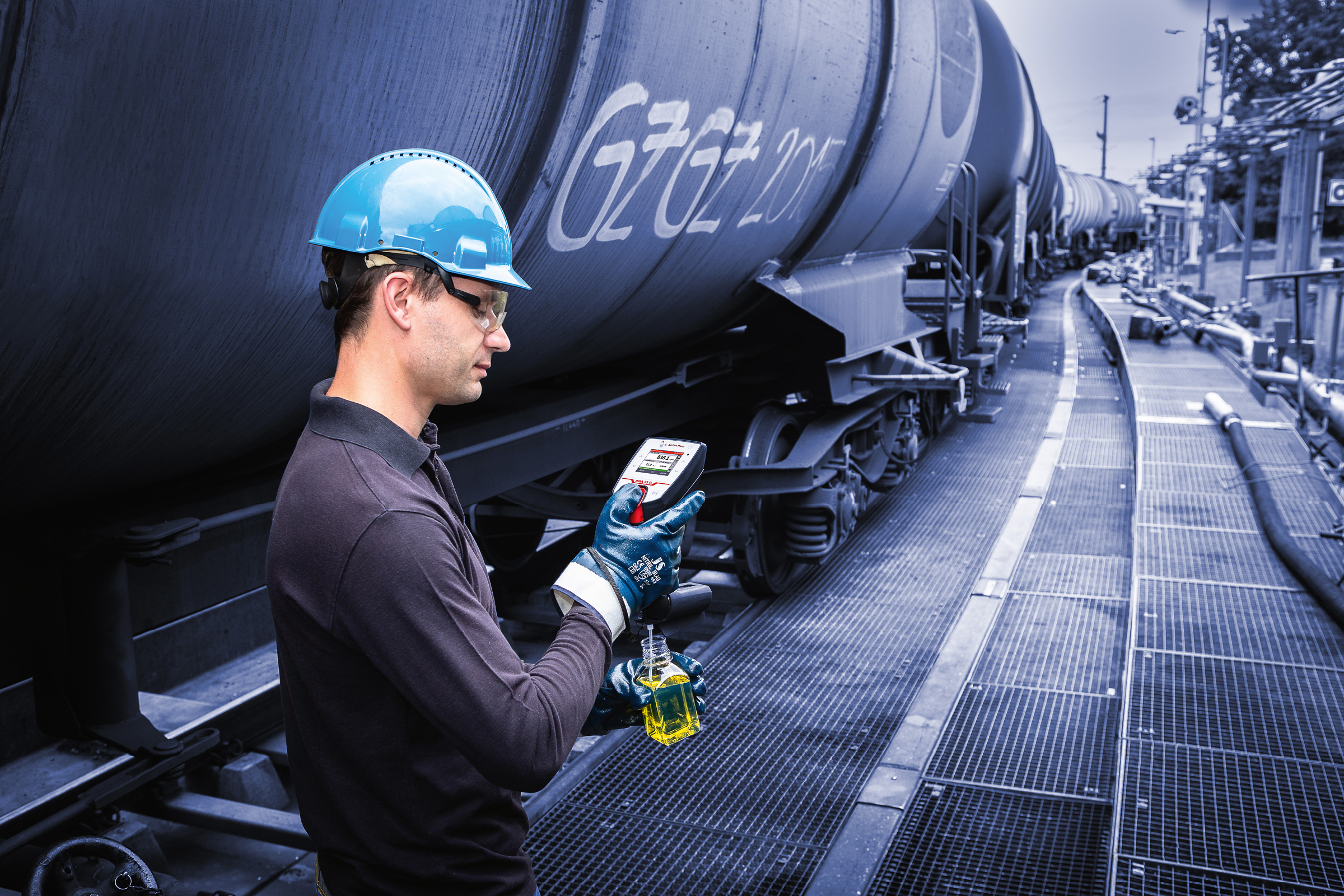
Hydrometers are a standards-based method for checking diesel density, but the process is manual and operator-dependent. For faster results, better consistency, and improved traceability, handheld digital density meters such as the DMA 35 Ex Petrol (ASTM D7777) offer a practical upgrade while retaining familiar reporting units.

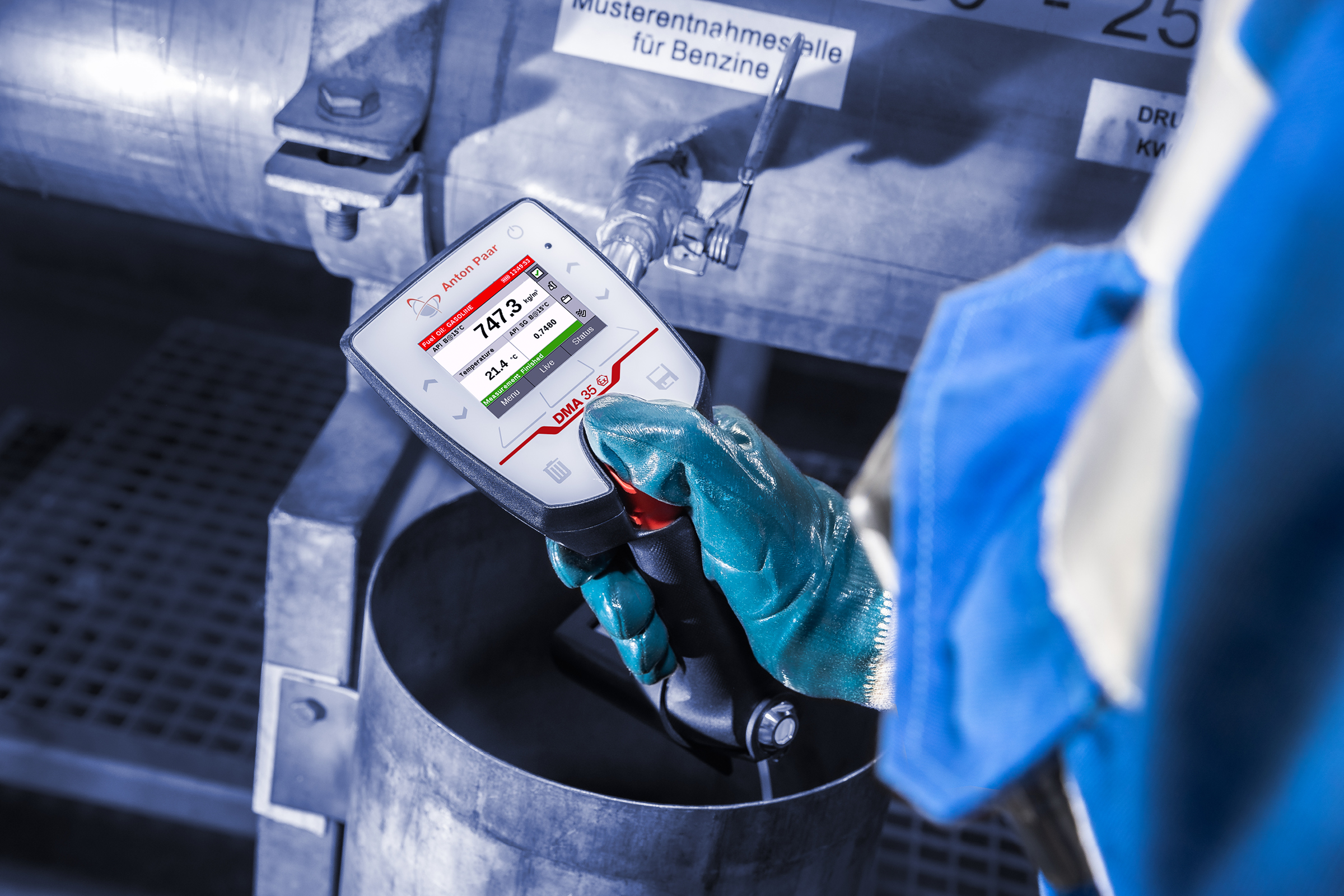
The DMA 35 Ex Petrol removes key sources of error in hydrometer testing while keeping familiar reporting units. Instead of reading a meniscus, measuring temperature, and using ASTM D1250 tables, it delivers an immediate digital result with automatic temperature compensation. This reduces variability while still reporting diesel results as SG or API. Compared with hydrometers, it eliminates parallax, simplifies the workflow to one handheld device, improves repeatability across operators, and strengthens data integrity through digital readout and logging.

Diesel Testing with AP Connect : Streamlined Data Management 

For data management, the goal is to capture clean, complete measurements once and make them instantly usable everywhere.

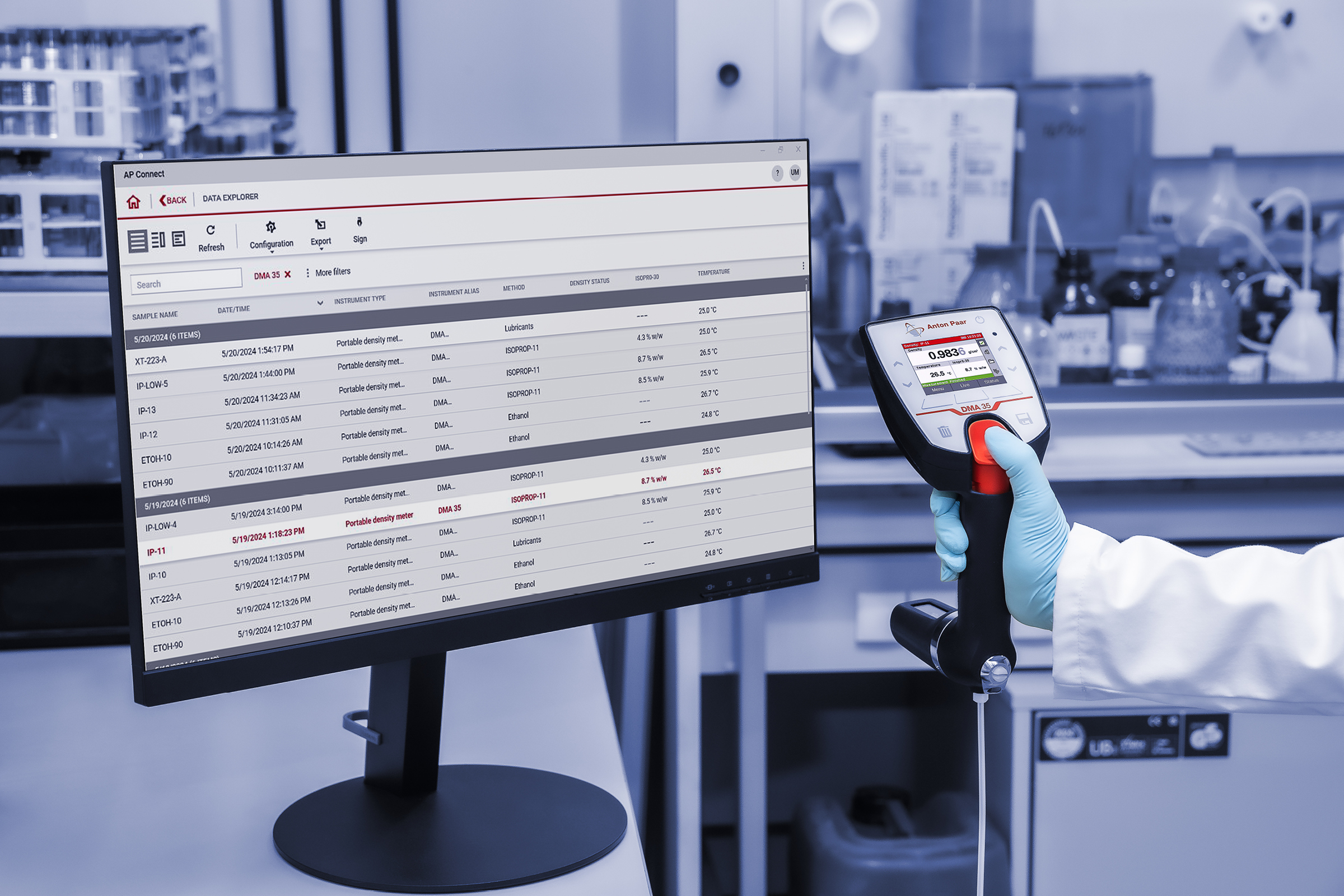
Pairing a DMA 35 with AP Connect streamlines diesel density testing from measurement to report. Results transfer wirelessly from the DMA 35 via Bluetooth® into AP Connect, eliminating manual transcription and reducing errors. RFID-based sample ID supports traceability, with results stored alongside metadata. Measurements from portable meters are centralized with lab data in one secure system. Designed for a paperless workflow, AP Connect reduces paperwork and speeds up release decisions.

Frequently Asked Questions

How do I check diesel density?
Use a hydrometer per ASTM D1298/D287, a portable digital density meter per ASTM D7777, or a benchtop meter per ASTM D4052 for product release.

At what temperature should I measure?
Measure where vapor pressure is safely below 100 kPa and report results corrected to 15 °C and/or 60 °F.

Hydrometer care?
Rinse, dry, and store in a protective case.

DMA 35 Ex Petrol compliance?
Yes. ASTM D7777 with ASTM D1250 corrections.

Other fuels?
Yes, compatible petroleum products.

Speed & corrections?
Results in seconds with automatic correction to 15 °C or 60 °F (API Table 53B).

Diesel hydrometers work, but are manual. For faster, more reliable results, switch to the DMA 35 Ex Petrol.

Learn more