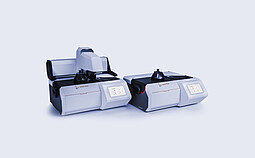
Starch gelatinization temperature defines the range in which starch granules absorb water, swell, and lose their crystalline structure. This transformation is fundamental to the development of viscosity and texture in many food and industrial applications. Accurately measuring and interpreting gelatinization temperature helps to ensure consistent processing and optimal product quality.


Explore Anton Paar solutions for analyzing starch gelatinization temperature.

Explore solutions

What is starch gelatinization temperature?

Starch gelatinization temperature refers to the temperature range at which starch granules undergo structural transformation when heated in the presence of water.


During this process:

  • Water penetrates the granules 
  • Crystalline regions begin to dissolve 
  • Granules swell and lose their ordered structure 
  • Amylose starts to leach into the surrounding medium

Unlike a sharp melting point, gelatinization occurs over a range typically described by onset temperature (the start of gelatinization) and peak temperature (the maximum transition rate).

Why gelatinization temperature matters

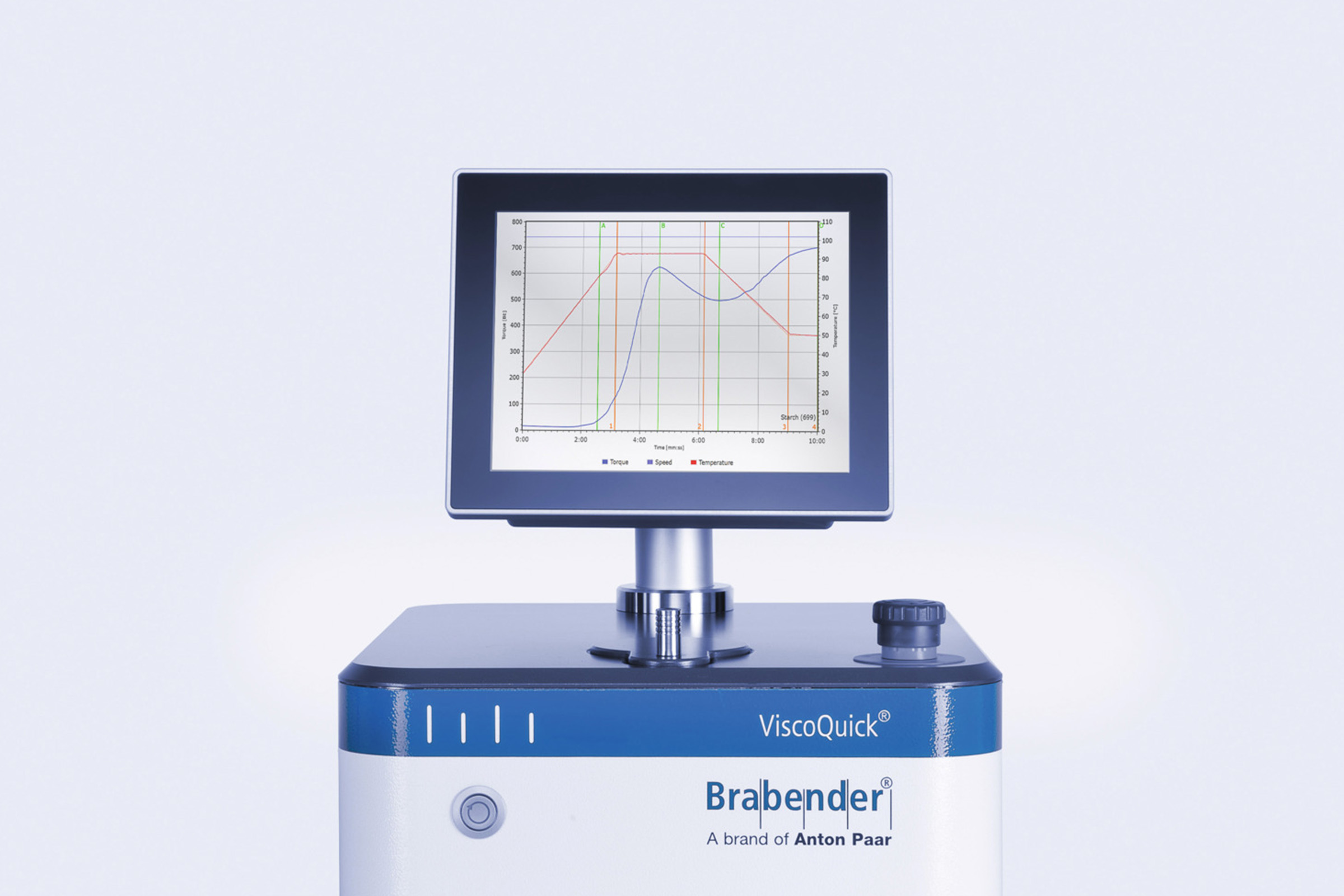
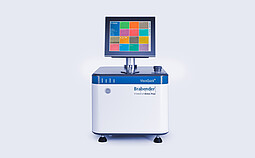
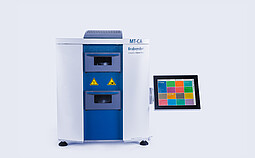
Brabender ViscoQuick with touchscreen showing viscosity, speed, and temperature curves on a white background

Gelatinization is the foundation for many functional properties of starch. It directly influences:

  • Viscosity development: Determines when thickening begins during heating 
  • Texture formation: Critical for sauces, soups, and bakery products 
  • Process control: Defines temperature windows for cooking, extrusion, or mixing 
  • Energy efficiency: Impacts heating requirements in industrial processes

Understanding gelatinization temperature helps to avoid under- or over-processing and ensures consistent product quality.

How is starch gelatinization temperature measured?

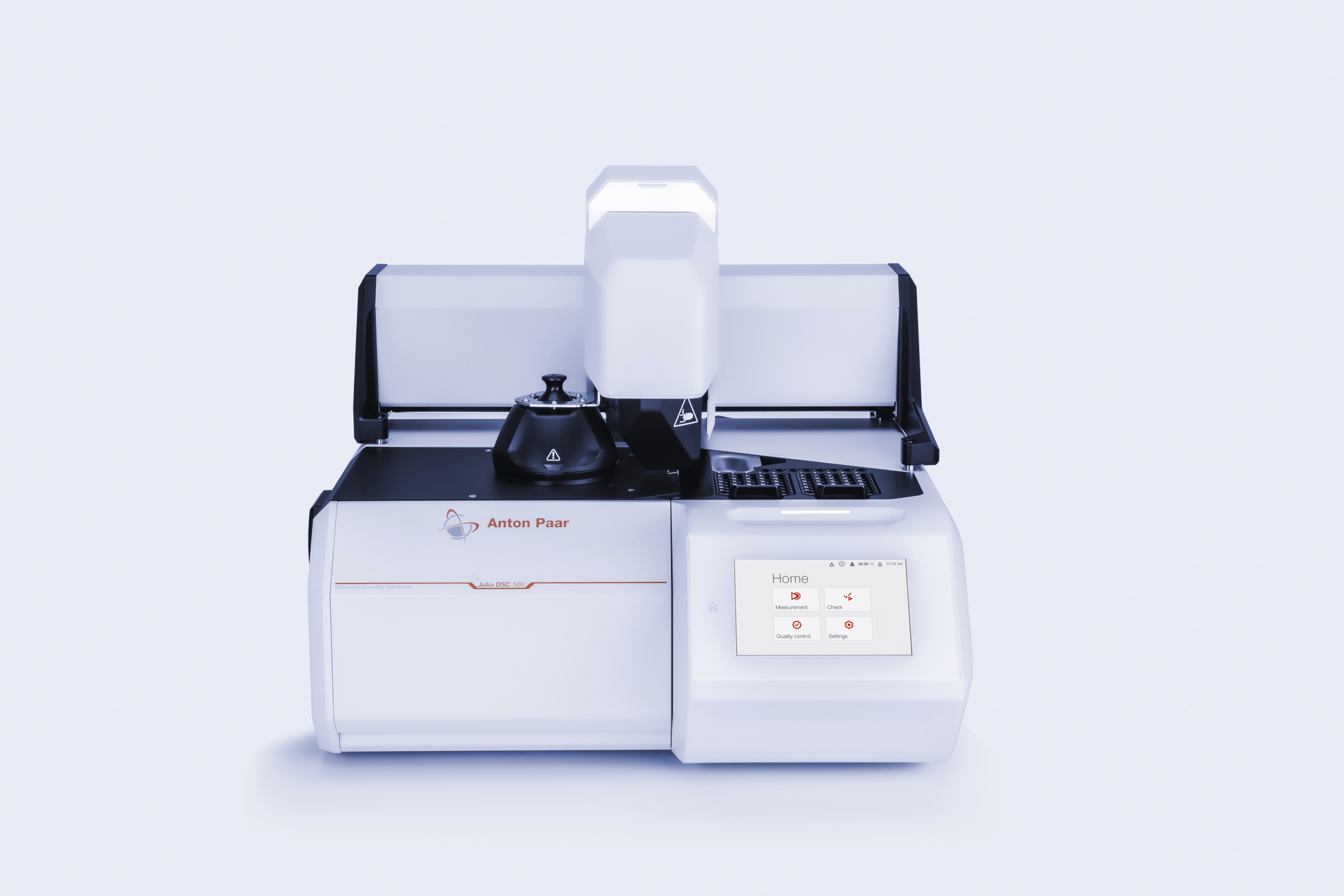
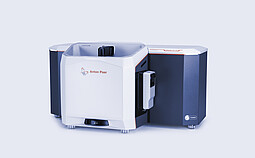
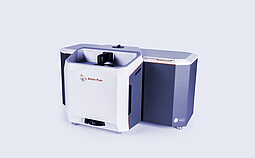
Anton Paar Julia DSC 500 differential scanning calorimeter with touchscreen, autosampler area, and black sample position on white background

Differential scanning calorimetry (DSC)

DSC measures the thermal transition associated with gelatinization.

It provides:

  • Onset, peak, and end temperatures 
  • Enthalpy of gelatinization 
  • High precision under controlled conditions

This method is widely used in research and fundamental studies.
 

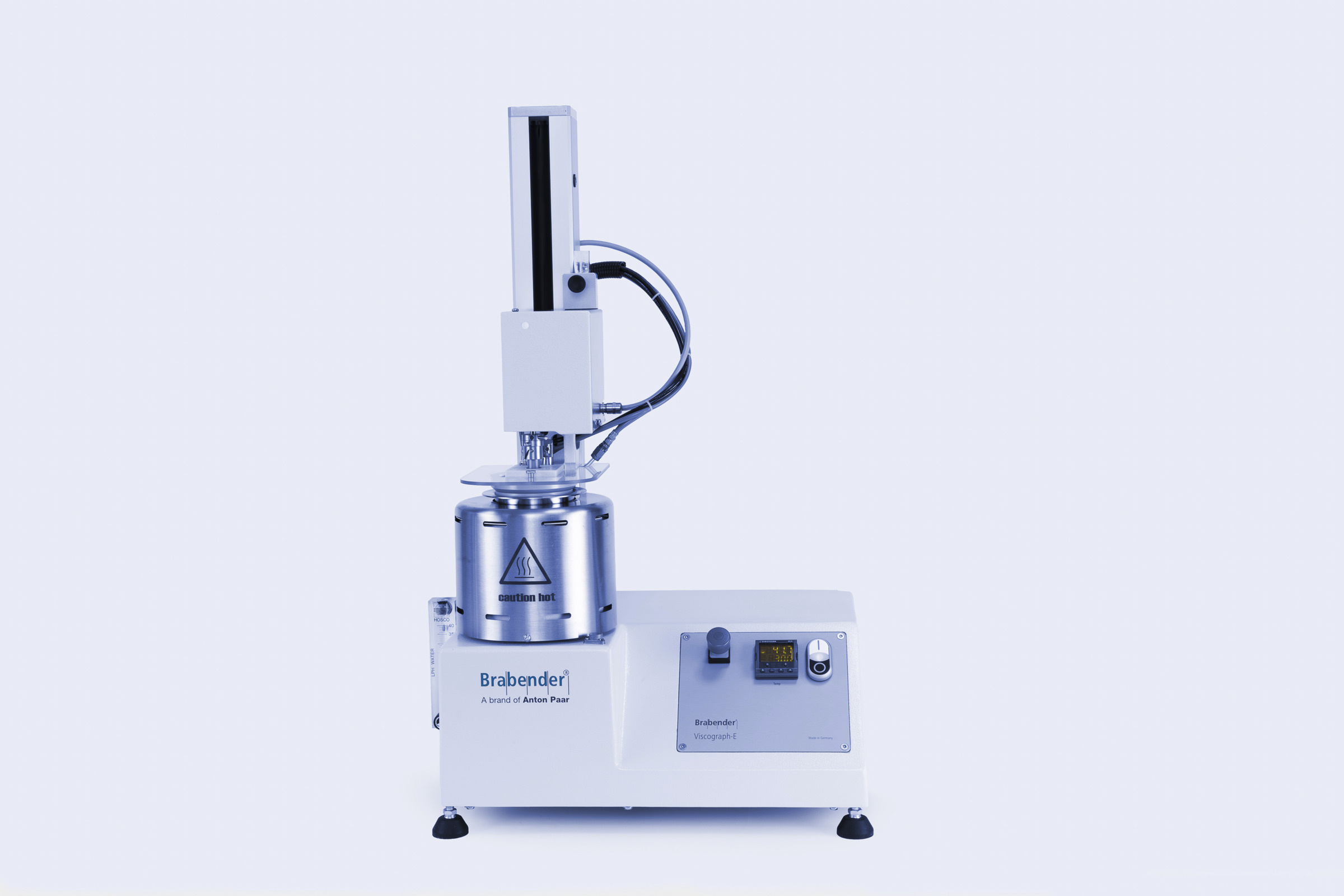
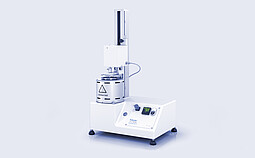
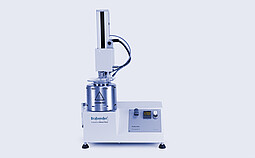
Brabender Viscograph-E with heated measuring vessel, vertical drive unit, hoses, and front control panel on a white background

Viscosity-based methods 

Instruments such as the Brabender ViscoQuick, Viscograph-E, or Amylograph-E determine gelatinization behavior by measuring viscosity during heating.
Instead of measuring purely thermal transitions, these methods capture the pasting temperature (onset of a viscosity increase) and the functional impact of gelatinization under shear. This makes them highly relevant for real processing conditions.
 

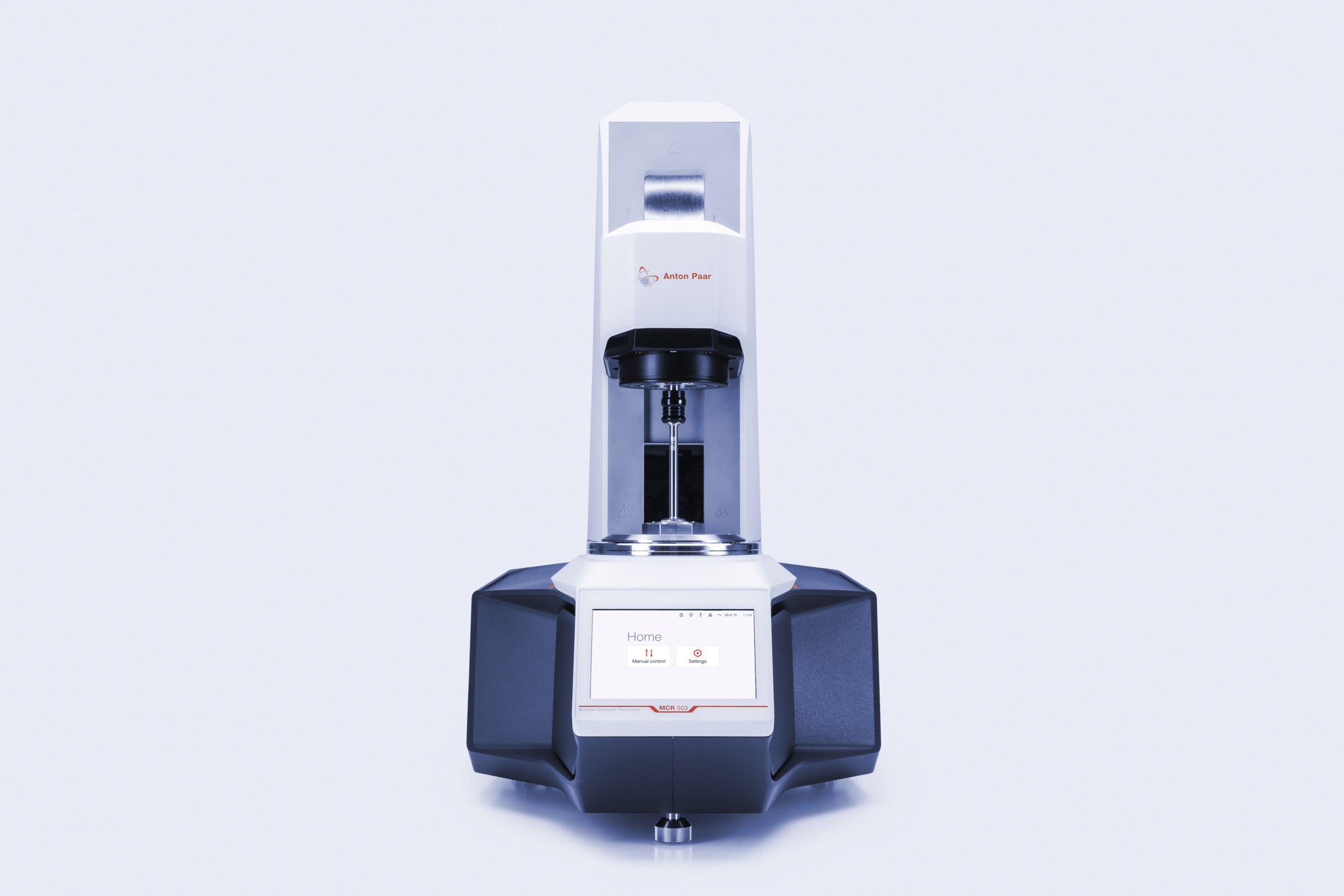
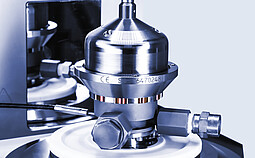
Anton Paar MCR 503 modular compact rheometer with touchscreen, measuring spindle, and transparent safety cover on a white background

Rotational rheometry 

Advanced rheometers like the MCR series with a starch cell allow detailed investigation under controlled shear and temperature conditions, including: 

  • Precise control of experimental parameters 
  • Combined analysis of gelatinization and rheological behavior 
  • Deeper insights into structure–function relationships 
     

Gelatinization temperature vs. pasting temperature

Although these terms are often confused, they describe different aspects. Gelatinization temperature describes the structural transition of starch granules (a thermal perspective), while pasting temperature refers to the onset of an increase in viscosity (a functional/process perspective).
In practice, pasting temperature is often slightly higher due to the influence of shear and measurement conditions.
Understanding both is essential for linking laboratory data to real-world performance.
 

Factors influencing gelatinization temperature

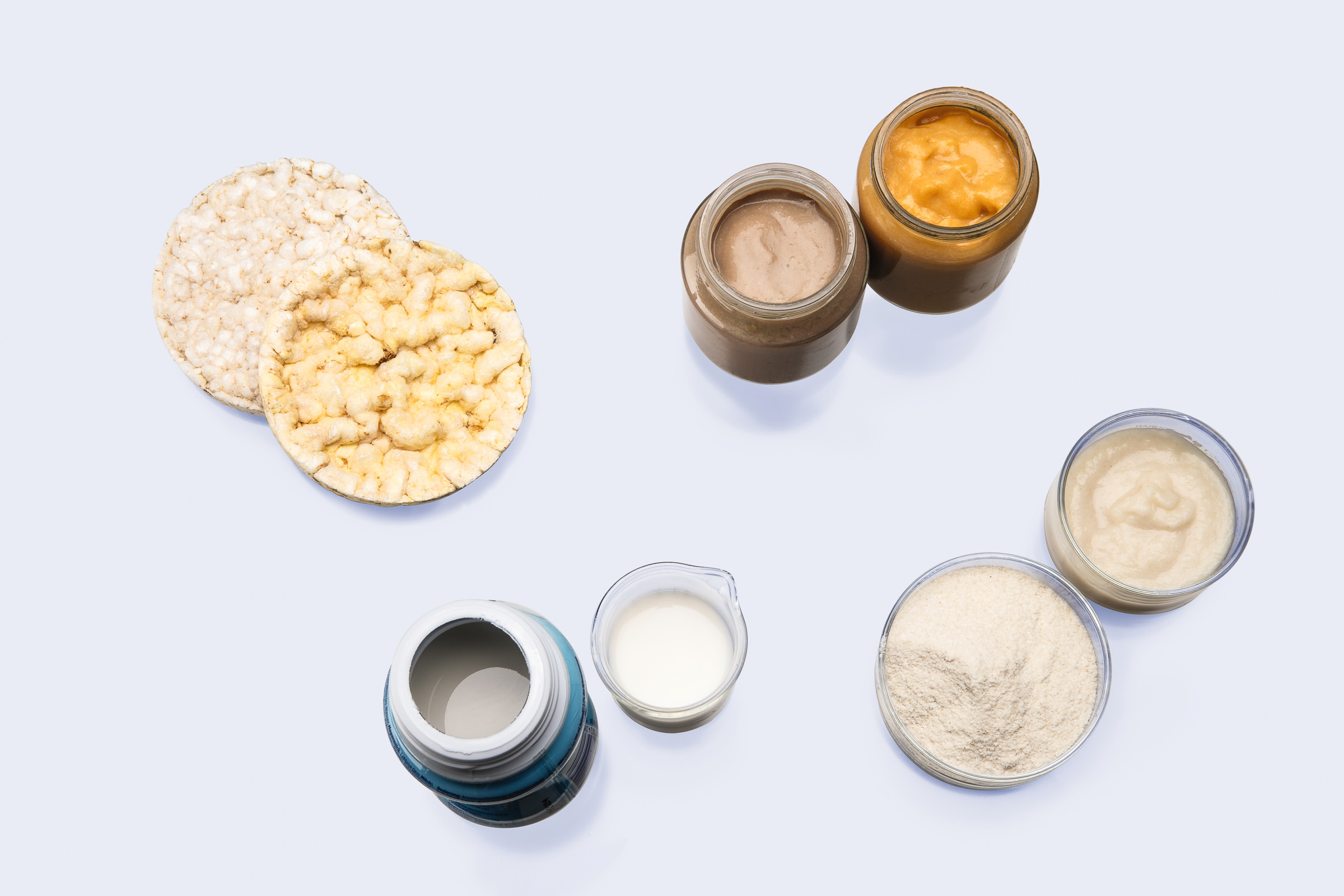
Top view of puffed rice cakes, jars with pastes, a powder sample, and liquid samples on a white surface

Several factors affect when starch gelatinizes:

  • Origin (e.g., corn, wheat, potato, rice) 
  • Amylose-to-amylopectin ratio 
  • Water availability 
  • Heating rate 
  • Presence of additives (sugar, lipids, salts) 
  • Starch modification (chemical or physical) 
  • Particle size
  • Moisture content
  • Degree of amylopectin branching
  • Molecular chain length

These variables must be controlled to ensure reproducible results and meaningful comparisons.

Key takeaway

Starch gelatinization temperature is a fundamental parameter that links material structure to functional performance.
Combining precise thermal analysis (DSC) with process-relevant methods such as viscosity measurements using Brabender instruments or advanced rheometry using systems such as the Anton Paar MCR series provides a comprehensive understanding of starch behavior.