A Comprehensive Guide to Modern Rheometry
Understanding the Instrument Behind Rheology
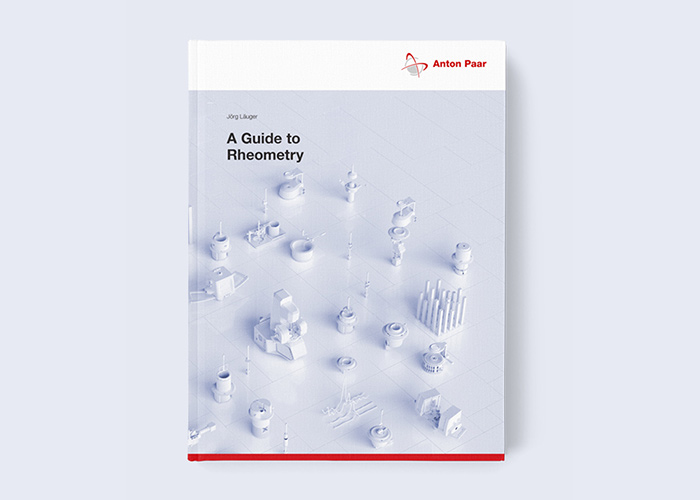
Rheology and rheometry have evolved together – each advance in material science driving new instrument capabilities, and each new device opening doors to fresh research possibilities. The Guide to Rheometry focuses entirely on rheometric instrumentation, providing detailed insights into the technologies, components, and applications of rotational rheometers.
While there are many books about rheological principles, this guide explores the device itself – the motors, bearings, torque sensors, geometries, and control systems that make precise rheological measurements possible. It’s a complete resource for anyone who wants to understand what truly happens inside the most advanced rotational rheometers on the market.
What’s inside the book:
- Rotational rheometer design: Motors, bearings, torque and force sensors, lift systems, and geometries
- Measurement techniques: Rotation, oscillation, transient tests, and calibration
- Accessories and extensions: Temperature control, structure analysis, tribology, and powder rheology
- Combined and hyphenated methods: Rheo-optics, rheo-SAXS/SANS, and spectroscopic coupling
- Automation and high-throughput rheometry: Robotic systems and future concepts for fully automated material testing
Price available upon request*
*Please contact support-rheo[at]anton-paar.com for further information.